Building repair is a crucial aspect of property maintenance that encompasses a wide range of activities aimed at restoring and preserving the integrity of structures. Whether it’s fixing a leaky roof, addressing foundation issues, or repairing damaged walls, building repair plays a vital role in ensuring the safety and longevity of any property. Understanding the fundamentals of building repair not only helps homeowners maintain their investments but also enhances the overall aesthetic appeal and functionality of their living spaces. The importance of building repair cannot be overstated. Regular maintenance and timely repairs can prevent minor issues from escalating into major problems that require costly interventions.
Moreover, well-maintained buildings tend to retain their value better in the real estate market, making it essential for property owners to prioritize repairs. By investing in building repair, homeowners can create a safe environment for their families while also contributing to the community's overall well-being. There are various types of building repair techniques that can be employed depending on the specific needs of a structure. These include structural repairs, which address foundational and load-bearing elements; cosmetic repairs, which focus on enhancing appearance through painting and drywall work; and preventive maintenance, which involves regular inspections and upkeep to avert future damage. Each type of repair serves a unique purpose, and understanding these distinctions is key to effective property management.
Common Building Repair Issues
When it comes to building repair, recognizing common issues early can save homeowners significant time and money.Here are some of the most frequent problems encountered:
- Leaks: Water leaks are among the most common issues in buildings. They can originate from roofs, plumbing, or windows. Signs of leaks include water stains on walls or ceilings, mold growth, and a musty odor.
- Cracks: Cracks in walls or foundations can indicate serious structural issues. Hairline cracks may be normal due to settling, but larger cracks, especially those that widen over time, should be investigated.
- Structural Damage: This includes issues with beams, columns, and load-bearing walls.
Signs of structural damage may include sagging floors, doors that stick or don’t close properly, and visible shifts in the building’s alignment.
- Check for water stains or discoloration on ceilings and walls.
- Look for cracks in the foundation or walls, especially around windows and doors.
- Inspect the roof for missing shingles or signs of wear.
- Monitor the condition of gutters and downspouts to ensure proper drainage.
DIY Techniques for Minor Repairs
Homeowners often encounter minor repairs that can be easily tackled with some basic tools and materials. Here are a few DIY building repair techniques that can save you time and money.Patching Drywall
To fix small holes or dents in drywall, follow these steps:- Gather your materials: You will need a putty knife, joint compound, sandpaper, and a paintbrush.
- Clean the area: Remove any loose debris around the hole.
- Apply joint compound: Use the putty knife to spread a thin layer of joint compound over the hole, feathering the edges to blend with the surrounding wall.
- Let it dry: Allow the compound to dry completely, usually about 24 hours.
- Sand and paint: Once dry, sand the area smooth and touch up with paint to match your wall.
Fixing Leaky Faucets
A dripping faucet can waste a significant amount of water. Here’s how to fix it:- Turn off the water supply: Locate the shut-off valves under the sink and turn them off.
- Dismantle the faucet: Use a wrench to remove the handle and expose the cartridge or washer.
- Replace worn parts: Inspect washers and O-rings for wear and replace them as needed.
- Reassemble: Put the faucet back together and turn on the water supply to check for leaks.
Sealing Windows
If you notice drafts around your windows, sealing them can improve energy efficiency.Here’s how:
- Inspect for gaps: Check for any visible gaps or cracks around the window frame.
- Clean the area: Remove old caulk or paint from the gaps using a utility knife.
- Apply caulk: Use a caulking gun to apply a bead of caulk along the gaps, smoothing it with your finger for a clean finish.
- Let it cure: Allow the caulk to dry according to manufacturer instructions before painting or using the window.
Tools and Materials Needed for DIY Repairs
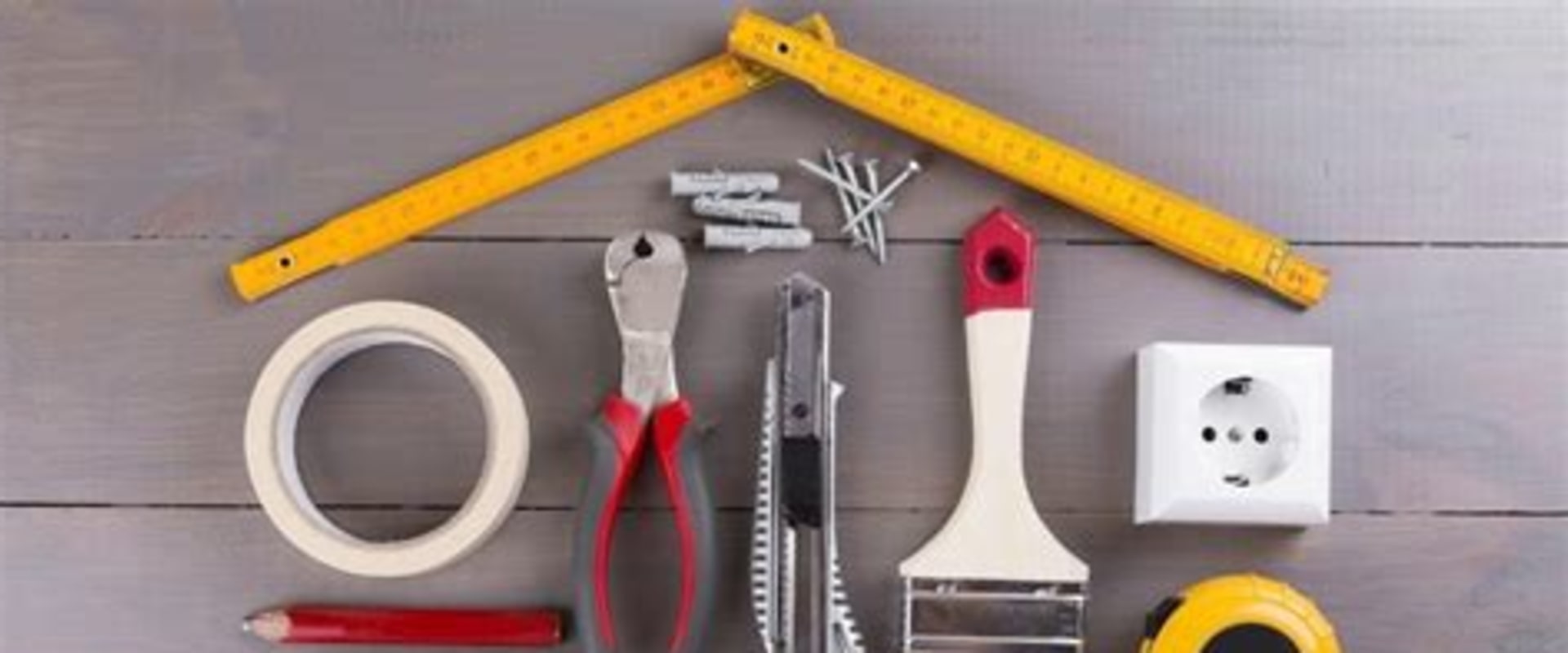
When embarking on DIY building repair projects, having the right tools and materials is crucial for achieving professional results. Below is a comprehensive list of essential tools and materials that will equip you for various home maintenance tasks.Essential Tools for Building Repair
- Hammer: A reliable hammer is fundamental for driving nails and making quick repairs.
- Screwdriver Set: A set of both flathead and Phillips screwdrivers will help you tackle a variety of fastening tasks.
- Pliers: Useful for gripping, twisting, and cutting wires or small objects.
- Utility Knife: Ideal for cutting through materials like drywall, insulation, or carpet.
- Tape Measure: Accurate measurements are key to any repair project; a sturdy tape measure is essential.
- Level: Ensures that your installations are straight and even, which is vital for aesthetics and functionality.
- Drill: A power drill can make quick work of creating holes or driving screws into various materials.
- Ladder: For repairs that require reaching high places, a sturdy ladder is indispensable.
Materials for DIY Repairs
- Plywood: Versatile and strong, plywood can be used for structural repairs or as a base for other materials.
- Duct Tape: A temporary fix for many issues, duct tape can hold things together until a permanent solution is found.
- Wood Glue: Perfect for bonding wood pieces together in furniture repairs or cabinetry work.
- Caulk: Essential for sealing gaps around windows, doors, and other areas to prevent drafts and moisture intrusion.
- Paint: Having the right color paint on hand can help you touch up walls after repairs are made.
Safety Precautions When Undertaking Repairs
When it comes to DIY building repair, safety should always be your top priority. Engaging in home repairs can be rewarding, but it also comes with risks.To ensure a safe working environment, follow these essential safety precautions:
- Wear Protective Gear: Always equip yourself with the appropriate protective gear. This includes safety goggles to protect your eyes from dust and debris, gloves to shield your hands from sharp objects, and a hard hat if you're working in areas where falling objects are a concern.
- Use Proper Tools: Ensure that you are using the right tools for the job. Using inappropriate tools can lead to accidents or damage to the building. Always inspect your tools before use to ensure they are in good condition.
- Work in a Well-Lit Area: Adequate lighting is crucial when performing repairs.
A well-lit workspace helps you see clearly and reduces the risk of accidents.
- Be Aware of Your Surroundings: Before starting any repair work, assess your surroundings. Look out for potential hazards such as loose floorboards, exposed wiring, or unstable ladders.
- Follow Manufacturer Instructions: If you are using any materials or products for repairs, always read and follow the manufacturer’s instructions carefully. This ensures that you use them safely and effectively.
Knowing your limits is a key aspect of staying safe while undertaking building repairs.
When to Call a Professional
While many building repair tasks can be tackled by a determined DIY enthusiast, there are certain situations where calling a professional is not just advisable, but necessary. Understanding when to hire a contractor can save you time, money, and potential safety hazards.Signs You Need Professional Help
- Structural Issues: If you notice cracks in the foundation, walls, or ceilings, it’s crucial to consult a professional. These could indicate serious structural problems that require expert assessment.
- Extensive Water Damage: Water damage can lead to mold growth and compromise the integrity of your building. If the damage is extensive or ongoing, a professional should evaluate the situation.
- Electrical or Plumbing Problems: Issues with wiring or plumbing can be dangerous.
If you’re experiencing frequent electrical outages or plumbing leaks, it’s best to call in an expert.
- Permits and Regulations: Some repairs require permits or must adhere to local building codes. If you’re unsure about the legalities, hiring a contractor can ensure compliance.
Professional vs DIY Repairs
When considering whether to attempt a repair yourself or hire a professional, weigh the complexity of the task against your skill level. For instance, while painting a room or fixing minor drywall issues may be manageable for most homeowners, tasks like roof repairs or major renovations often require specialized knowledge and tools.Additionally, consider the potential costs of making mistakes. A botched repair can lead to more significant issues down the line, resulting in higher expenses than if you had hired a professional from the start.In many cases, investing in expert help can provide peace of mind and ensure that repairs are done correctly and safely.Ultimately, knowing when to call a professional is key to maintaining your building effectively. Trust your instincts—if a project feels overwhelming or beyond your expertise, it’s wise to seek help.
Frequently Asked Questions about Building Repair
When it comes to building repair, many homeowners have questions about the best practices and techniques for tackling common issues. Here are some frequently asked questions that can help guide your DIY repair efforts.- What are some common DIY building repairs?
Common DIY repairs include fixing leaky faucets, patching drywall, repairing squeaky floors, and sealing windows and doors. These tasks often require minimal tools and materials, making them accessible for most homeowners. - How do I know if a repair is DIY-friendly?
Assess the complexity of the issue.If it involves structural changes or requires specialized knowledge (like electrical or plumbing work), it’s best to consult a professional. For minor cosmetic repairs, such as painting or caulking, DIY is usually feasible.
- What tools do I need for basic building repairs?
A basic toolkit for building repair should include:- Hammer
- Screwdriver set
- Pliers
- Measuring tape
- Utility knife
- Level
- Drill
- How can I troubleshoot common building issues?
Start by identifying the symptoms of the problem. For example, if you notice water stains on the ceiling, check for leaks in the roof or plumbing above. Document your findings and research potential solutions before starting any repairs. - Are there any safety precautions I should take?
Absolutely! Always wear appropriate safety gear such as gloves and goggles.Ensure that you turn off power sources when working with electrical components and be cautious of heavy materials when lifting.
Conclusion: Empowering Your DIY Building Repair Journey
In conclusion, embarking on your DIY building repair journey can be both rewarding and empowering. Throughout this article, we have explored various techniques and strategies that can help you tackle common building issues with confidence. From understanding the basics of structural integrity to mastering simple repair methods, you now have a toolkit of knowledge at your disposal.Remember, the key to successful building repair lies in preparation and planning. Before starting any project, take the time to assess the damage thoroughly and gather the necessary materials.This will not only save you time but also ensure that your repairs are effective and long-lasting.
Key Takeaways
- Assess the Damage: Always begin with a detailed inspection to understand the extent of the repairs needed.
- Gather Tools and Materials: Ensure you have all necessary tools and materials before starting your project.
- Follow Safety Protocols: Prioritize safety by using protective gear and following guidelines for hazardous materials.
- Start Small: If you're new to DIY repairs, begin with smaller projects to build your confidence and skills.