Understanding building repair is crucial for homeowners and property managers alike, as it directly impacts the longevity and safety of any structure. Buildings, whether residential or commercial, are subject to various forms of damage over time. Recognizing the common causes of this damage is the first step in ensuring effective building maintenance and timely repairs. From natural elements to human activities, numerous factors can contribute to the deterioration of a building's integrity. One of the most prevalent causes of damage is environmental exposure.
Weather conditions such as heavy rain, snow, and extreme temperatures can lead to issues like water infiltration, mold growth, and structural weakening. Additionally, natural disasters such as earthquakes or hurricanes can cause significant harm that necessitates immediate attention. Another critical factor is poor construction practices or the use of substandard materials, which can result in foundational problems and other structural failures. Moreover, neglecting routine maintenance can exacerbate minor issues into major repairs. For instance, failing to clean gutters can lead to water overflow and subsequent damage to the roof and walls.
Regular inspections and maintenance not only help in identifying potential problems early but also extend the lifespan of a building. By understanding these common causes of damage, property owners can take proactive measures to protect their investments and ensure a safe living or working environment.
Natural Disasters and Their Impact on Buildings
Natural disasters pose a significant threat to the integrity of buildings, often leading to extensive damage that requires immediate building repair. Understanding the various types of natural disasters and their potential impacts can help property owners prepare and respond effectively.Hurricanes and Storm Damage
Hurricanes bring strong winds, heavy rainfall, and storm surges that can severely compromise a building's structure. Common types of damage include:- Roof damage: High winds can tear off shingles or even entire roofs, exposing the interior to water damage.
- Flooding: Heavy rains can lead to flooding, causing water to seep into foundations and walls, resulting in mold growth and structural weakening.
- Window and door breaches: Flying debris can shatter windows and doors, allowing wind and rain to enter.
Earthquakes and Structural Integrity
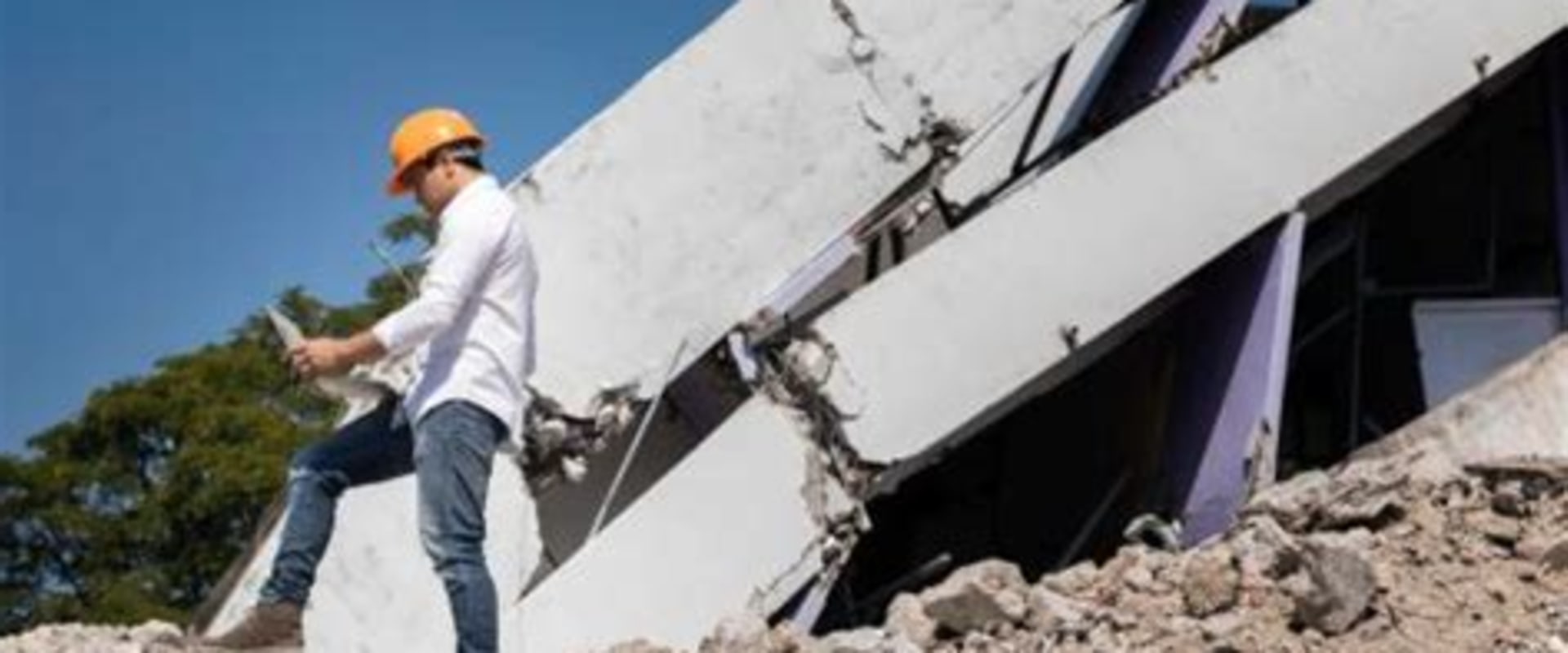
Earthquakes can cause sudden and catastrophic damage to buildings.The shaking can lead to:
- Cracks in walls: Structural cracks may appear in both load-bearing and non-load-bearing walls, compromising stability.
- Foundation shifts: The ground movement can cause foundations to settle unevenly, leading to further structural issues.
- Falling debris: Items within the building may become projectiles, causing additional damage or injury.
- Reinforced structures: Buildings designed to withstand high winds or seismic activity can significantly reduce damage.
- Emergency plans: Having a clear response strategy can help minimize risks during a disaster.
- Regular maintenance: Routine inspections can identify vulnerabilities before they become serious issues.
Wear and Tear Over Time
As buildings age, they naturally undergo a process of wear and tear that can lead to various maintenance needs. This gradual deterioration is often exacerbated by environmental factors, such as weather conditions and soil movement, which can significantly impact the structural integrity of a building.One of the most common issues associated with aging buildings is roof leaks.Over time, roofing materials can degrade due to exposure to the elements, leading to cracks and gaps that allow water to infiltrate. Regular inspections and timely repairs can help mitigate this problem, preventing more extensive damage to the interior of the building.Another critical area affected by wear and tear is the foundation. As buildings settle, they may experience foundation settling, which can result in uneven floors, cracks in walls, and misaligned doors and windows. Addressing these issues promptly is essential to avoid more severe structural problems down the line.
- Common signs of wear and tear include:
- Cracks in walls or ceilings
- Water stains or mold growth
- Doors or windows that stick or do not close properly
- Uneven flooring or sloping surfaces
Homeowners should schedule periodic inspections to identify potential problems early on. Simple tasks such as cleaning gutters, sealing cracks, and checking for signs of moisture can go a long way in preserving the integrity of a building.In conclusion, understanding the effects of aging buildings and implementing a proactive maintenance plan can significantly reduce the need for costly building repairs. By staying ahead of wear and tear, property owners can ensure their buildings remain safe and functional for years to come.
Pest Infestations and Their Consequences
Pest infestations can lead to severe building repair needs, often resulting in costly and extensive damage. Two of the most notorious culprits are termites and rodents, both of which can compromise the structural integrity of a building.Termite Damage
Termites are known as "silent destroyers" because they can cause significant damage before their presence is even detected.These pests feed on wood, which is a primary material in many buildings. Over time, a termite infestation can:
- Weaken wooden structures, such as beams and joists, leading to potential collapse.
- Damage drywall and flooring, creating unsightly and unsafe conditions.
- Increase repair costs significantly if not addressed promptly.
Rodent Damage
Rodents, including mice and rats, pose another serious threat to buildings. They not only chew through insulation and wiring but also create unsanitary conditions that can lead to health issues. The consequences of rodent infestations include:- Structural damage from gnawing on wood and electrical wires, which can lead to fire hazards.
- Contamination of food supplies and living spaces with droppings and urine.
- Increased repair costs due to the need for both pest control and structural repairs.
Ignoring these issues can lead to extensive building repair needs that could have been avoided with proactive measures.
Water Damage: Causes and Solutions
Water damage is one of the most common issues that necessitate building repair. It can arise from various sources, and understanding these causes is crucial for effective remediation. One of the primary culprits of water damage is plumbing issues. Leaky pipes, faulty fixtures, and broken water heaters can lead to significant water accumulation within walls and ceilings. Even small leaks can escalate into major problems if not addressed promptly.Regular inspections of plumbing systems can help identify potential issues before they cause extensive damage. Another common cause is roof leaks. Over time, roofs can deteriorate due to weather exposure, leading to cracks and gaps that allow water to seep in. This not only damages the roof structure but can also lead to mold growth and compromised insulation. Homeowners should schedule routine roof inspections, especially after severe weather events. Additionally, flooding from heavy rains or natural disasters can overwhelm drainage systems, causing water to infiltrate buildings.
In such cases, immediate action is essential to mitigate damage. Utilizing sump pumps and ensuring proper drainage around the property can help prevent flooding. Mold growth is another serious consequence of water damage. When moisture accumulates in hidden areas, it creates an ideal environment for mold spores to thrive. Mold remediation is critical not only for restoring the integrity of the building but also for safeguarding the health of its occupants.
Professional mold removal services should be sought when infestations are detected. In conclusion, addressing water damage promptly through effective building repair strategies is vital. By understanding the common causes—such as plumbing failures, roof leaks, flooding, and mold growth—property owners can take proactive measures to protect their investments and ensure a safe living environment.
Poor Construction Practices and Materials
When it comes to building repair, one of the most significant contributors to long-term damage is poor construction practices. These practices can manifest in various ways, leading to structural issues that may not be immediately apparent but can escalate over time.Construction defects
often arise from a lack of adherence to established building codes and standards. For instance, if a contractor fails to follow the proper guidelines for foundation work, it can result in uneven settling, which may cause cracks in walls and floors.Such defects not only compromise the integrity of the building but also lead to costly repairs down the line.Another critical factor is the use of substandard materials. When builders opt for cheaper alternatives to save costs, they may inadvertently sacrifice quality. For example, using inferior-grade lumber can lead to warping and structural failure, while low-quality roofing materials may not withstand harsh weather conditions, resulting in leaks and water damage. These issues necessitate extensive repairs that could have been avoided with better material choices.Moreover, building code violations can significantly impact a structure's safety and longevity.
Codes are designed to ensure that buildings are safe for occupancy and can withstand environmental stresses. Ignoring these regulations can lead to serious consequences, including fines and mandatory repairs. Homeowners should always verify that their contractors are licensed and familiar with local building codes to prevent such violations.In conclusion, investing in qualified professionals who adhere to best practices and use high-quality materials is essential for preventing future building repair needs. By prioritizing quality over cost-cutting measures, property owners can safeguard their investments and ensure the longevity of their structures.
Environmental Factors Affecting Building Integrity
Environmental factors play a crucial role in the integrity of buildings, often leading to the need for building repair.Understanding these factors can help property owners take preventive measures to protect their investments.
Soil Erosion
One of the most significant environmental challenges is soil erosion. This natural process can undermine the foundation of a building, leading to structural instability. Factors such as heavy rainfall, poor drainage systems, and vegetation removal can accelerate soil erosion. To mitigate this risk, property owners should:
- Implement proper landscaping techniques that promote soil retention.
- Install drainage systems to redirect water away from the foundation.
- Regularly inspect and maintain retaining walls and other protective structures.
Humidity and Moisture
High levels of humidity can lead to moisture accumulation within walls and foundations, resulting in mold growth and wood rot.
This not only compromises the building's integrity but also poses health risks to occupants. To combat humidity-related issues, consider:
- Using dehumidifiers in areas prone to dampness.
- Ensuring proper ventilation in attics and basements.
- Applying waterproofing solutions to vulnerable areas.
Temperature Fluctuations
Extreme temperature changes can cause materials to expand and contract, leading to cracks in walls and foundations. This is particularly common in regions with harsh winters or hot summers. To minimize damage from temperature fluctuations, it is advisable to:
- Use high-quality insulation materials that can withstand temperature changes.
- Regularly inspect for cracks and seal them promptly.
- Consider installing thermal windows to reduce heat transfer.
Regular maintenance and proactive strategies are key to preserving the integrity of any structure.
Signs Your Building Needs Repairs
Identifying the signs that your building needs repairs is crucial for maintaining its integrity and safety. Early detection can prevent minor issues from escalating into major problems. Here are some common indicators that your building may require attention:- Cracks in Walls or Foundation: Look for visible cracks in both interior and exterior walls. Horizontal cracks or those wider than a quarter-inch may indicate serious structural issues.
- Water Damage: Stains on ceilings or walls, peeling paint, or mold growth are clear signs of water intrusion.
This can lead to significant damage if not addressed promptly.
- Doors and Windows Misalignment: If doors and windows are sticking or not closing properly, it could be a sign of shifting foundations or structural settling.
- Roof Issues: Missing shingles, sagging areas, or leaks can compromise the roof's integrity. Regular inspections can help catch these problems early.
- Uneven Floors: Sloping or uneven floors may indicate foundation problems. This can lead to further structural damage if left unchecked.
- Pest Infestations: Signs of pests, such as termites or rodents, can cause significant damage to the building's structure. Look for droppings, nests, or damaged wood.
This checklist should include:
- Inspecting the roof and gutters
- Checking for signs of water damage
- Examining the foundation for cracks
- Assessing the condition of windows and doors
- Looking for pest activity
Frequently Asked Questions About Building Repairs
When it comes to building repair, many property owners have questions about the types of issues that can arise and how to address them. Here are some frequently asked questions that can help clarify common concerns.What are the most common causes of building damage?
- Water Damage: Leaks from roofs, plumbing, or poor drainage can lead to significant structural issues.
- Pest Infestations: Termites and other pests can compromise the integrity of wooden structures.
- Foundation Problems: Soil movement or poor construction can cause cracks and settling.
- Weather-Related Damage: Severe storms, hail, and high winds can damage roofs, siding, and windows.
- Neglected Maintenance: Failing to perform regular upkeep can lead to larger, more costly repairs down the line.
How do I know if my building needs repairs?
Look for signs such as:- Cracks in walls or ceilings
- Damp spots or mold growth
- Doors and windows that stick or don’t close properly
- Uneven floors or sloping surfaces
What should I consider when budgeting for repairs?
Repair costs can vary widely based on several factors:- Type of Repair: Structural repairs typically cost more than cosmetic fixes.
- Extent of Damage: More extensive damage will require more resources and time.
- Location: Labor and material costs can differ significantly by region.
Conclusion: The Importance of Timely Building Repairs
In conclusion, understanding the common causes of damage that necessitate building repairs is crucial for property owners and managers alike. By recognizing these issues early, you can prevent minor problems from escalating into major, costly repairs. Throughout this article, we have explored various factors that contribute to building damage, including:- Weather-related damage: Extreme weather conditions such as heavy rain, snow, and high winds can lead to significant structural issues.
- Pest infestations: Termites and other pests can compromise the integrity of wooden structures, making timely inspections essential.
- Neglected maintenance: Regular upkeep is vital; failing to address small issues can result in larger problems over time.
- Foundation issues: Cracks and shifts in the foundation can lead to serious structural concerns if not addressed promptly.
Regular inspections and maintenance can help identify potential problems before they become severe. By investing in preventative measures, you can save money in the long run and ensure a safe environment for occupants. Ultimately, being proactive about building repairs is not just about fixing what is broken; it’s about safeguarding your investment and ensuring the longevity of your property. Remember, a well-maintained building is a testament to responsible ownership and care.