Maintaining a building is not just about aesthetics; it is crucial for ensuring the safety and longevity of the structure.
Building repair
is often a reflection of how well a property has been maintained over the years. Regular maintenance can prevent minor issues from escalating into major problems, which can lead to costly repairs and even pose safety risks to occupants. Understanding the importance of building maintenance is essential for property owners and managers alike. Buildings are subjected to various stresses from environmental factors, wear and tear, and even human activity.Over time, these factors can manifest as visible signs that indicate a need for repair. Recognizing these signs early can save significant time and money in the long run. For instance, cracks in walls, water stains on ceilings, or uneven flooring are not just cosmetic issues; they can signal underlying structural problems that require immediate attention. Moreover, neglecting necessary repairs can lead to more severe consequences, including decreased property value and potential legal liabilities. By prioritizing regular inspections and maintenance, property owners can ensure that their buildings remain safe, functional, and appealing.
In this article, we will explore the various signs that indicate a building needs repair and discuss why proactive maintenance is vital for any property.
Common Signs of Structural Damage
Recognizing the signs of structural damage is essential for maintaining the integrity of a building. Ignoring these indicators can lead to costly repairs and safety hazards. Here are some common signs that may suggest your building requires repair.- Cracks in Walls: One of the most noticeable signs of structural issues is the appearance of cracks in walls. These can manifest as hairline fractures or larger gaps, particularly around windows and doors.
Pay attention to vertical and diagonal cracks, as they may indicate shifting foundations.
- Uneven Floors: If you notice that your floors are sloping or feel uneven underfoot, this could be a sign of foundation problems. Uneven flooring can lead to further complications, including damage to furniture and increased risk of accidents.
- Doors and Windows that Stick: Difficulty in opening or closing doors and windows can signal structural shifts. If these fixtures are misaligned, it may indicate that the building's frame is settling unevenly.
- Water Damage: Look for signs of water intrusion, such as stains on walls or ceilings, mold growth, or peeling paint. Water damage can weaken structural components over time and should be addressed promptly.
- Separation from Walls: Gaps between walls and ceilings or walls and floors can indicate serious structural issues.
If you notice any separation, it’s crucial to consult a professional.
Water Damage Indicators
Identifying water damage in a building is crucial for maintaining its structural integrity and ensuring the safety of its occupants. Several indicators can signal the presence of water damage, and recognizing these signs early can prevent more extensive repairs down the line. One of the most common signs of water damage is the appearance of stains on ceilings and walls. These stains often manifest as yellow or brown patches, indicating that water has penetrated the surface.If you notice these discolorations, it’s essential to investigate further, as they may point to leaks in roofs, plumbing issues, or even condensation problems. Another significant indicator is the presence of musty odors. A persistent damp smell can suggest that moisture is trapped within the building materials, creating an environment conducive to mold growth. This odor often intensifies in areas like basements, bathrooms, or around windows where water exposure is more likely.
Mold Growth Indicators
Mold growth is a serious concern associated with water damage. If you observe any visible mold on walls, ceilings, or even furniture, it’s a clear sign that moisture levels are too high.Mold can appear in various colors, including black, green, or white, and can spread rapidly if not addressed promptly. Additionally, if you or other occupants experience unexplained health issues such as respiratory problems or allergic reactions, it may be linked to mold exposure. Other signs to watch for include:
- Peeling paint or wallpaper: This can indicate moisture buildup behind the surfaces.
- Warped floors: Wood floors may buckle or warp due to prolonged exposure to water.
- Increased utility bills: A sudden spike in water bills may suggest hidden leaks.
Roofing Issues to Watch For
When it comes to building repair, one of the most critical areas to inspect is the roof. A well-maintained roof protects your home from the elements, but various issues can arise over time. Here are some common roof damage signs that homeowners should be vigilant about:- Missing or Damaged Shingles: If you notice shingles that are cracked, curled, or completely missing, it’s a clear indicator that your roof may need immediate attention.
These issues can lead to further damage if not addressed promptly.
- Sagging Roof: A sagging roof is a serious concern and often suggests structural problems. This could be due to water damage or the weight of accumulated snow. If you observe any sagging, it’s essential to consult a professional.
- Water Stains on Ceilings or Walls: One of the most telling signs of a roof leak is the presence of water stains on your ceilings or walls. These stains can indicate that water is penetrating through the roof and into your living space.
- Mold or Mildew Growth: If you see mold or mildew forming in your attic or on your ceilings, it could be a sign of prolonged moisture exposure due to a leaky roof.
This not only affects your home’s integrity but can also pose health risks.
- Granules in Gutters: If you find granules from asphalt shingles in your gutters, this could indicate that your shingles are deteriorating. This loss of granules can reduce the effectiveness of your roofing material.
Signs of Pest Infestation
Pest infestations can pose a serious threat to the integrity of a building, often leading to costly repairs if not addressed promptly. Recognizing the signs of pest activity is crucial for maintaining the structural health of your property.- Droppings: One of the most common indicators of a pest problem is the presence of droppings.
Rodent droppings are typically small, dark, and pellet-shaped, while insect droppings can vary in size and appearance. Finding these in hidden areas like attics or basements can signal an infestation.
- Nests: Pests such as rodents and insects often build nests in secluded areas. Look for shredded materials, such as paper or insulation, which may indicate nesting sites. Termite nests can sometimes be found in wood structures, appearing as small mud tubes or frass (termite droppings).
- Gnaw marks: Rodents have a constant need to gnaw on materials to keep their teeth from growing too long.
Look for bite marks on wood, wires, or even food packaging as a sign of their presence.
- Structural damage: If you notice unexplained holes in walls or ceilings, sagging floors, or crumbling wood, these could be signs of significant damage caused by pests like termites. Termites can weaken wooden structures from the inside out, making early detection essential.
- Unusual sounds: Scratching or scurrying noises coming from walls or ceilings at night can indicate that rodents are active within your building. Listening for these sounds can help you identify a potential infestation before it escalates.
Additionally, addressing any resulting damage through building repair will ensure your property remains safe and structurally sound.
Electrical System Warning Signs
Recognizing the warning signs of electrical problems in a building is crucial for maintaining safety and functionality. Ignoring these signs can lead to serious hazards, including electrical fires or system failures. Here are some common indicators that your building may need electrical repairs.- Flickering or Dimming Lights: If you notice that your lights flicker or dim when you turn on other appliances, it could indicate an overloaded circuit or faulty wiring.
- Frequent Circuit Breaker Trips: A circuit breaker that frequently trips is a clear sign of an underlying issue. This could be due to overloaded circuits, short circuits, or ground faults.
- Burning Smell: A burning odor near outlets or electrical panels is a serious warning sign.
It may indicate overheating wires or components, which can lead to fires.
- Hot Outlets or Switches: If you touch an outlet or switch and it feels hot to the touch, this could signify a dangerous electrical problem that requires immediate attention.
- Buzzing Sounds: Unusual sounds coming from outlets, switches, or the electrical panel can indicate loose connections or damaged wiring.
- Discolored Outlets: Outlets that appear discolored or charred are often a sign of overheating and should be inspected by a professional.
HVAC System Malfunctions
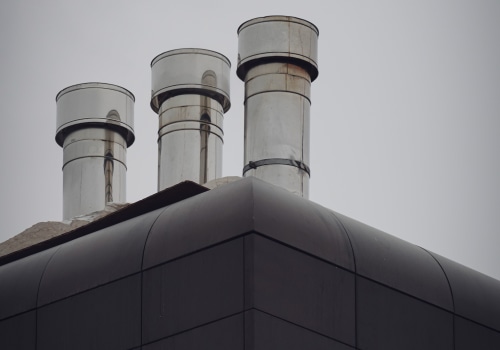
When it comes to maintaining a comfortable living environment, the HVAC system plays a crucial role. Recognizing the signs of HVAC issues can help you address problems before they escalate into costly repairs. Here are some common indicators that your HVAC system may need attention:- Inconsistent Temperatures: If certain rooms in your building are significantly warmer or cooler than others, it may indicate an issue with your HVAC system.
This inconsistency can stem from blocked vents, ductwork problems, or a malfunctioning thermostat.
- Unusual Noises: Sounds such as banging, clanking, or hissing coming from your HVAC unit can signal mechanical issues. These noises often suggest that components are loose or that there is a more serious problem requiring immediate attention.
- Increased Energy Bills: A sudden spike in your energy bills without a corresponding increase in usage can indicate that your HVAC system is working harder than it should. This inefficiency may be due to age, lack of maintenance, or underlying issues that need to be addressed.
- Frequent Cycling: If your HVAC system turns on and off more frequently than usual, it could be a sign of an underlying problem. This behavior can lead to increased wear and tear on the system and may require professional evaluation.
- Unpleasant Odors: Foul smells emanating from your HVAC system can indicate mold growth or electrical issues.
If you notice any strange odors, it’s essential to have the system inspected promptly.
FAQs About Building Repair Signs
When it comes to building repair, many property owners have questions about how to identify when their building needs attention. Here are some frequently asked questions that can help clarify common concerns:What are the most common signs that a building needs repair?
- Cracks in walls or ceilings: These can indicate structural issues or settling.
- Water stains: Discoloration on walls or ceilings often points to leaks.
- Dampness or mold: Persistent moisture can lead to health hazards and structural damage.
- Doors and windows that stick: This may suggest shifting foundations or frame issues.
- Uneven floors: Sloping or sagging floors can be a sign of serious structural problems.
How can I tell if my building needs maintenance?
Regular inspections are key to identifying maintenance needs. Look for:- Exterior wear: Check for peeling paint, rust, or damaged siding.
- Roof condition: Inspect for missing shingles, leaks, or sagging areas.
- HVAC performance: If your heating or cooling systems are inefficient, they may need servicing.
What should I do if I notice signs of damage?
If you observe any of these signs, it’s crucial to act promptly.Here are steps you can take:
- Document the issues: Take photos and notes for reference.
- Consult a professional: Hire a qualified inspector or contractor to assess the situation.
- Create a repair plan: Prioritize repairs based on urgency and budget.
Conclusion: Taking Action on Repair Signs
In conclusion, recognizing the signs that a building needs repair is crucial for maintaining its safety and functionality. Throughout this article, we have identified several key indicators that should not be overlooked. From visible cracks in walls to water damage and mold growth, each sign serves as a warning that immediate attention is required.Ignoring these building repair signs can lead to more severe issues down the line, including structural damage and increased repair costs. Therefore, it is essential to take proactive measures as soon as you notice any of these warning signs.Steps to Take
- Conduct Regular Inspections: Schedule routine assessments of your building to catch potential issues early.
- Document Findings: Keep a record of any signs of damage or wear and tear, which can help in prioritizing repairs.
- Consult Professionals: When in doubt, seek the expertise of qualified contractors or inspectors who can provide a thorough evaluation.
- Plan for Repairs: Create a budget and timeline for necessary repairs to ensure they are addressed promptly.
Remember, timely action on repair needs can prevent minor issues from escalating into major problems. Stay vigilant and proactive to keep your building in optimal condition.