Understanding building repair costs is essential for property owners, investors, and anyone involved in real estate management. Whether it’s a minor fix or a major renovation, the expenses associated with building repair can vary significantly based on numerous factors. From the type of damage to the materials used, each element plays a crucial role in determining the overall price tag. This section aims to provide a foundational overview of what influences these costs and why it’s important to have a clear understanding before embarking on any repair project. When considering how much building repair costs, it’s vital to recognize that no two projects are alike.
Factors such as location, labor rates, and the complexity of the repairs can dramatically affect pricing. For instance, repairs in urban areas may incur higher labor costs compared to rural settings. Additionally, the age and condition of the building can lead to unexpected expenses, making it crucial for property owners to budget accordingly. In this exploration of building repair pricing, we will delve into specific types of repairs, average cost estimates, and tips for managing your budget effectively. By equipping yourself with this knowledge, you can make informed decisions that not only save you money but also ensure that your property remains safe and functional for years to come.
Factors Influencing Building Repair Costs
When it comes to building repair, several key factors can significantly influence the overall costs.Understanding these elements can help homeowners and property managers budget effectively and make informed decisions.
- Location: The geographical area where the building is located plays a crucial role in determining repair costs. Urban areas often have higher labor rates and material costs compared to rural locations. Additionally, local regulations and building codes can affect the pricing.
- Type of Damage: The extent and nature of the damage are critical in estimating repair costs. Minor cosmetic issues, such as paint touch-ups, will be less expensive than structural repairs, which may involve significant labor and materials.
For instance, water damage may require extensive remediation efforts, including mold removal and structural reinforcement.
- Materials Used: The choice of materials can greatly impact the cost of repairs. High-quality or specialized materials may increase expenses but can also enhance durability and aesthetics. Conversely, opting for cheaper alternatives might save money upfront but could lead to higher long-term costs due to maintenance or replacement needs.
- Labor Costs: Labor is often one of the most significant components of repair expenses. Skilled tradespeople, such as electricians or plumbers, typically charge higher rates than general laborers.
Additionally, the complexity of the repair work can affect labor costs; more intricate jobs require more time and expertise.
Average Costs for Common Building Repairs
Understanding the average costs associated with common building repairs can help homeowners and property managers budget effectively. Below is a breakdown of typical expenses for various types of repairs.Roof Repairs
Roof repairs are among the most significant expenses a property owner may face. On average, homeowners can expect to pay between $300 and $1,500 for minor repairs, such as fixing leaks or replacing shingles.More extensive damage, like a full roof replacement, can range from $5,000 to $15,000, depending on the materials used and the size of the roof.
Plumbing Issues
Plumbing problems can vary widely in cost. Simple fixes, such as unclogging a drain or repairing a leaky faucet, typically cost between $150 and $400. However, more complex issues like pipe replacement or sewer line repairs can escalate to $1,000 to $4,000.Electrical Work
Electrical repairs are crucial for safety and functionality. Basic electrical work, such as installing new outlets or light fixtures, usually costs around $100 to $300.For more extensive projects like rewiring a home or upgrading the electrical panel, costs can soar to $2,000 to $10,000.
Structural Repairs
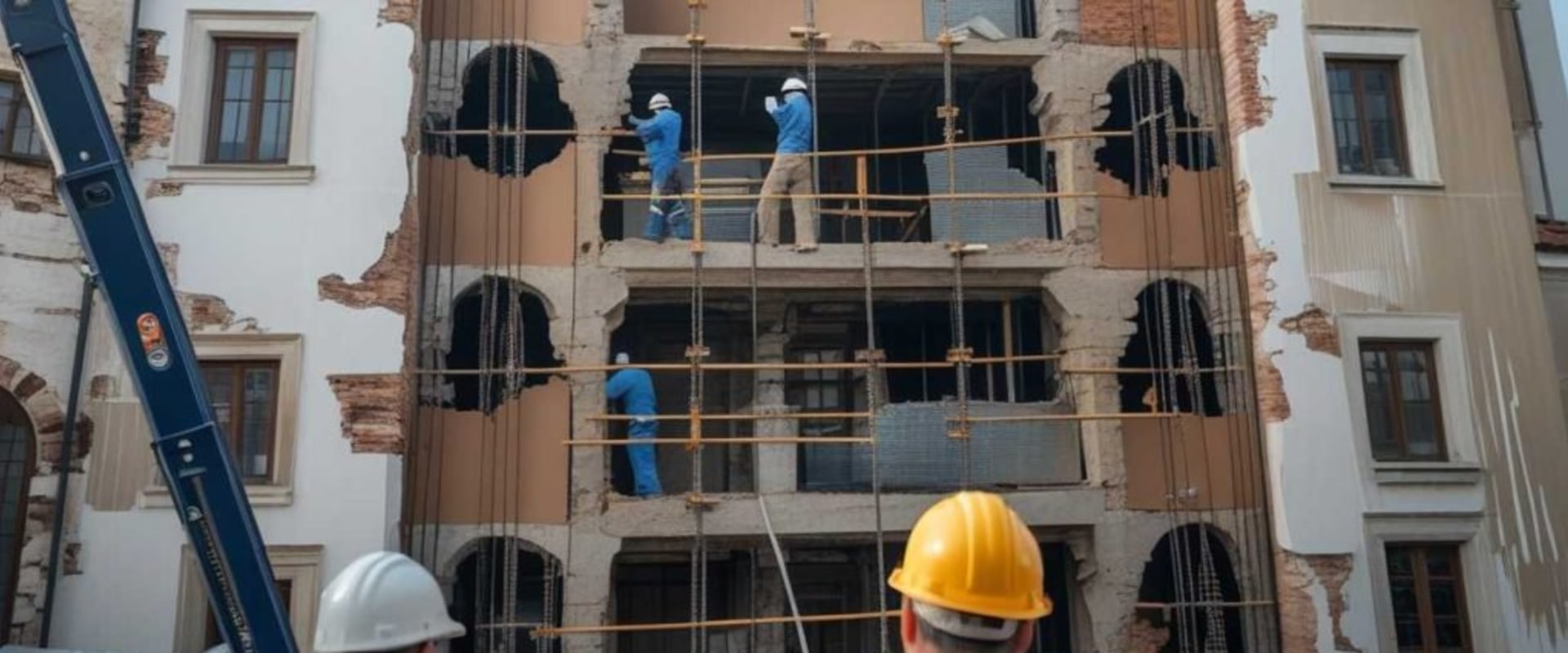
Structural repairs are often the most costly due to their complexity. Issues such as foundation repair can range from $2,000 to $7,000, while more severe structural damage may require upwards of $10,000. It's essential to address these issues promptly to prevent further damage. In summary, while the costs of building repairs can vary significantly based on the type and extent of the damage, having a general understanding of these averages can aid in financial planning and decision-making for property maintenance.Cost Comparison: DIY vs. Hiring Professionals
When it comes to building repair, one of the first decisions homeowners face is whether to tackle the project themselves or hire a professional.Each option has its own set of costs and benefits that can significantly impact your budget and the quality of the repair.
DIY Building Repair Costs
Opting for a DIY approach can be appealing, especially for those looking to save money. The primary costs associated with DIY repairs include:- Materials: Depending on the type of repair, materials can range from a few dollars for minor fixes to several hundred for more extensive projects.
- Tools: If you don’t already own the necessary tools, you may need to purchase or rent them, which can add to your overall expenses.
- Time: While not a direct financial cost, the time spent on repairs can be significant. Consider whether you have the time and skills to complete the job effectively.
Hiring Professionals for Building Repair
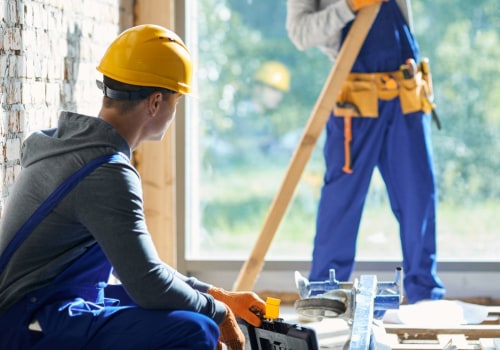
On the other hand, hiring professionals can provide peace of mind and ensure that repairs are done correctly. The costs associated with hiring contractors typically include:- Labor: This is often the largest portion of the bill.
Labor costs can vary widely based on location and the complexity of the job.
- Expertise: Professionals bring experience and knowledge that can prevent costly mistakes, potentially saving you money in the long run.
- Warranty: Many contractors offer warranties on their work, providing additional security for your investment.
Regional Variations in Building Repair Costs
When it comes to building repair costs, one of the most significant factors influencing pricing is the region in which the repairs are being conducted. Different states and localities can exhibit substantial variations in labor rates, material availability, and regulatory requirements, all of which contribute to the overall cost of repairs.Labor Rates
- In urban areas, such as New York City or San Francisco, labor costs tend to be higher due to the demand for skilled tradespeople and the higher cost of living.
- Conversely, rural areas may offer lower labor rates, but this can sometimes be offset by a lack of available skilled workers.
Material Availability
- The availability of building materials can also vary by region.
For instance, coastal areas may have higher prices for materials like lumber due to transportation costs and demand from local construction projects.
- In contrast, regions with abundant natural resources may see lower prices for certain materials, impacting overall repair costs.
Local Regulations
- Each state has its own building codes and regulations that can affect repair costs. Areas with stringent regulations may require more expensive permits or specialized labor to ensure compliance.
- Additionally, some states offer incentives for energy-efficient repairs, which can influence the overall cost structure.
Insurance and Building Repair Costs
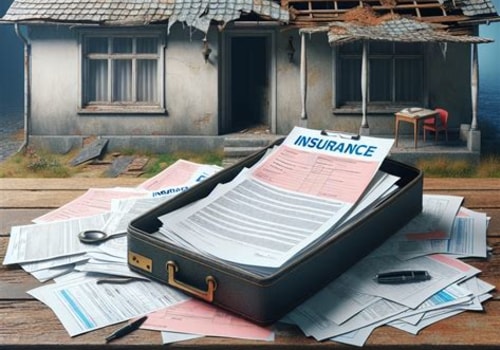
When it comes to building repair costs, understanding how insurance plays a role can significantly impact your financial responsibility. Homeowners often wonder what types of damage are covered by their insurance policies and how this coverage affects their out-of-pocket expenses.Types of Damage Typically Covered
Most standard homeowners insurance policies cover a range of damages, including:- Fire Damage: Repairs resulting from fire incidents are usually covered, provided the cause is not due to negligence.
- Water Damage: This can include damage from burst pipes or severe weather, but be cautious as flooding may require separate flood insurance.
- Theft and Vandalism: If your property is damaged due to theft or vandalism, your policy may cover the repair costs.
- Natural Disasters: Depending on your location, certain natural disasters like earthquakes or hurricanes may be covered under specific policies.
How Insurance Affects Building Repair Costs
The extent of your insurance coverage directly influences how much you will pay for building repairs.Here are some key points to consider:
- Deductibles: Most policies have a deductible that you must pay before the insurance kicks in. Understanding this amount is crucial for budgeting your repair costs.
- Claim Limits: Each policy has limits on how much it will pay for specific types of damage. Familiarize yourself with these limits to avoid unexpected expenses.
- Premium Increases: Filing a claim can lead to increased premiums in the future. Weigh the cost of repairs against potential long-term premium hikes.
Document the damage thoroughly with photographs and detailed descriptions to support your claim. Contact your insurance provider to understand the claims process and any necessary documentation required.In summary, knowing how your insurance policy covers building repairs can save you significant money and stress. Always review your policy details and consult with your agent to ensure you have adequate coverage for potential repairs.
Frequently Asked Questions About Building Repair Costs
When it comes to building repair costs, homeowners often have numerous questions. Here are some of the most frequently asked questions that can help clarify your understanding of potential expenses.What factors influence the cost of building repairs?
The cost of building repairs can vary significantly based on several factors, including:- Type of damage: The nature and extent of the damage will greatly affect repair costs.
For instance, water damage may require extensive remediation, while minor cosmetic issues may be less expensive to fix.
- Materials used: The choice of materials can also impact costs. High-quality or specialized materials typically come with a higher price tag.
- Labor costs: Labor rates can vary by region and the complexity of the repair work. Hiring licensed professionals may increase costs but can ensure quality work.
- Location: Geographic location plays a crucial role in determining repair costs due to variations in local market rates and availability of skilled labor.
How can I estimate my building repair costs?
Estimating building repair costs can be challenging, but here are some steps you can take:- Get multiple quotes: Contact several contractors to obtain estimates for your specific repairs. This will give you a better idea of the average cost in your area.
- Research material prices: Look up current prices for materials needed for your repairs.
This will help you understand the material component of your overall costs.
- Consider hidden costs: Be aware that additional expenses such as permits, inspections, and unexpected repairs may arise during the process.
Are there financing options available for building repairs?
If the cost of building repairs is overwhelming, consider exploring financing options. Many homeowners turn to:- Home equity loans: These allow you to borrow against the equity in your home for necessary repairs.
- Personal loans: Unsecured personal loans can provide quick access to funds without needing collateral.
- Government programs: Some local governments offer assistance programs for homeowners needing financial help with repairs.
Conclusion: Key Takeaways on Building Repair Costs
In conclusion, understanding the costs associated with building repair is crucial for homeowners and property managers alike. Throughout this article, we have explored various factors that influence repair costs, including the type of damage, materials needed, labor expenses, and regional pricing variations.Key Takeaways:
- Type of Damage: The nature of the repair—whether it’s structural, cosmetic, or due to environmental factors—greatly affects the overall cost. Structural repairs tend to be more expensive due to the complexity and safety concerns involved.
- Materials: The choice of materials can significantly impact costs.
High-quality or specialized materials may offer durability but come at a premium price.
- Labor Costs: Hiring skilled professionals is essential for quality repairs. Labor costs can vary widely based on location and the expertise required for specific repairs.
- Regional Variations: Costs can differ based on geographic location. Urban areas may have higher labor rates compared to rural regions.