In an era where environmental concerns are at the forefront of public consciousness, the construction industry is undergoing a significant transformation.
Eco-friendly building repair materials
are becoming increasingly vital as they not only address the immediate needs of repair and renovation but also contribute to a more sustainable future. These materials are designed to minimize environmental impact, reduce waste, and promote energy efficiency, making them an essential consideration for any building project. The importance of sustainable building repair options cannot be overstated. Traditional construction materials often involve processes that are harmful to the environment, from extraction to manufacturing.In contrast, eco-friendly alternatives utilize renewable resources, recycled content, and non-toxic substances. This shift not only helps in conserving natural resources but also enhances indoor air quality and overall health for occupants. Moreover, embracing green construction materials can lead to long-term cost savings. While some eco-friendly options may have a higher upfront cost, their durability and energy efficiency can result in lower maintenance and utility expenses over time. As awareness grows about the benefits of sustainable practices, more builders and homeowners are recognizing the value of investing in materials that support both their immediate needs and the planet's health.
Benefits of Using Eco-Friendly Building Repair Materials
Utilizing eco-friendly building repair materials offers a multitude of benefits that extend beyond mere aesthetics.These materials not only contribute to a healthier living environment but also promote sustainability and long-term cost savings.
Health Benefits
One of the primary advantages of using sustainable building repair materials is the positive impact on indoor air quality. Traditional materials often contain volatile organic compounds (VOCs) that can lead to respiratory issues and other health problems. In contrast, eco-friendly options such as low-VOC paints, natural insulation, and reclaimed wood minimize harmful emissions, creating a safer space for occupants.Environmental Impact
Choosing green materials significantly reduces the environmental footprint of building repairs. Many eco-friendly products are made from recycled or renewable resources, which helps conserve natural resources and reduce waste.For instance, using bamboo or reclaimed wood not only minimizes deforestation but also lowers energy consumption associated with manufacturing new materials.
Long-Term Cost Savings
While the initial investment in green building repair materials may be higher, the long-term savings can be substantial. Eco-friendly materials often boast greater durability and require less maintenance over time. Additionally, energy-efficient repairs can lead to lower utility bills, making them a wise financial choice in the long run.- Improved indoor air quality
- Reduced environmental footprint
- Long-lasting durability
- Lower maintenance costs
Types of Eco-Friendly Building Repair Materials
When it comes to building repair, selecting the right materials is crucial for both the integrity of the structure and the environment.Here are some categories of eco-friendly building repair materials that can be utilized in various repair scenarios:
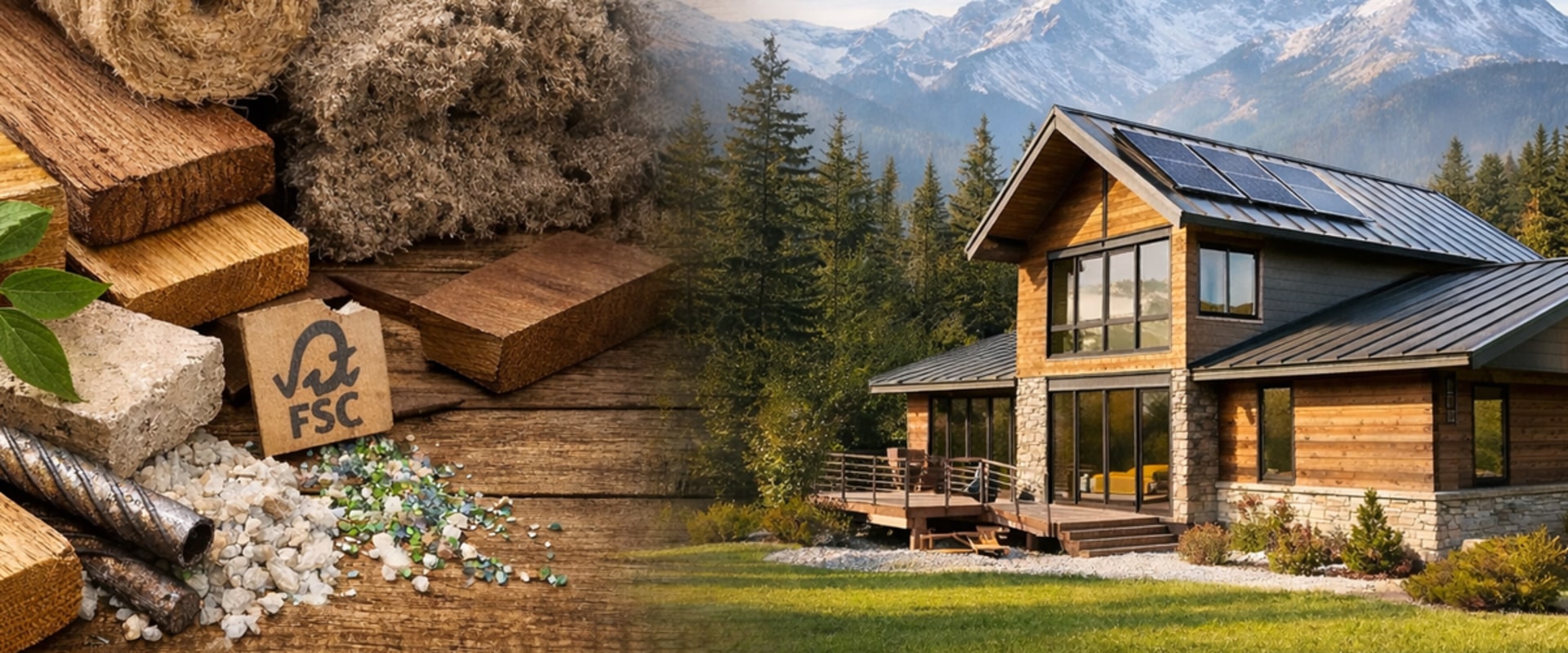
- Recycled Materials: Utilizing materials that have been repurposed can significantly reduce waste. For instance, reclaimed wood can be used for flooring or structural supports, while recycled metal can serve as roofing or siding.
- Natural Insulation: Eco-friendly insulation options such as cellulose (made from recycled paper) or sheep's wool provide excellent thermal performance without harmful chemicals. These materials not only improve energy efficiency but also contribute to a healthier indoor environment.
- Low-VOC Paints and Finishes: Volatile organic compounds (VOCs) found in traditional paints can harm indoor air quality. Opting for low-VOC or zero-VOC paints ensures that your repair work is not only aesthetically pleasing but also safe for occupants.
- Sustainable Flooring: Bamboo and cork are two sustainable flooring options that are durable and renewable.
Bamboo grows rapidly, making it a highly sustainable choice, while cork is harvested from the bark of cork oak trees without harming the tree itself.
- Eco-Friendly Adhesives: Many traditional adhesives contain harmful chemicals. However, there are now eco-friendly alternatives made from natural ingredients that provide strong bonding without compromising health or safety.
Natural Materials for Building Repairs
When considering natural materials for building repairs, several options stand out for their sustainability and effectiveness. These materials not only reduce environmental impact but also enhance the aesthetic appeal of structures.- Bamboo: Known for its rapid growth and strength, bamboo is an excellent choice for various building repairs.
It is lightweight yet incredibly durable, making it suitable for structural reinforcements and flooring. Additionally, bamboo's natural resistance to pests reduces the need for chemical treatments.
- Straw Bale: This material is gaining popularity in eco-friendly construction due to its excellent insulation properties. Straw bales can be used in walls to provide thermal efficiency, reducing energy costs. They are also biodegradable, making them a sustainable option for repairs.
- Reclaimed Wood: Utilizing reclaimed wood not only preserves the environment by reducing deforestation but also adds character to any building.
This material can be used for flooring, beams, and even decorative elements. Each piece tells a story, contributing to the unique charm of a structure.
- Cork: A renewable resource harvested from cork oak trees, cork is an excellent insulator and is naturally resistant to mold and mildew.
- Hempcrete: Made from hemp fibers and lime, hempcrete is a lightweight material that provides insulation and is carbon-negative, making it an ideal choice for eco-conscious builders.
Recycled and Upcycled Materials in Building Repairs
In the quest for sustainable building practices, recycled and upcycled materials have emerged as innovative solutions for building repairs. These materials not only reduce waste but also minimize the demand for new resources, making them an eco-friendly choice for renovation projects.Recycled Building Materials
- Reclaimed Wood: Sourced from old barns, factories, and other structures, reclaimed wood can be used for flooring, beams, and furniture.
This not only preserves the character of the wood but also reduces deforestation.
- Recycled Metal: Metals such as steel and aluminum can be melted down and reformed into new products. Using recycled metal in construction helps to lower energy consumption compared to producing new metal.
- Recycled Glass: Glass can be crushed and repurposed into tiles or countertops. This process diverts glass from landfills and reduces the need for raw materials.
Upcycled Construction Supplies
- Upcycled Fabrics: Old textiles can be transformed into insulation or decorative elements. This not only gives a second life to materials but also adds unique aesthetic value to a space.
- Pallet Wood: Wooden pallets, often discarded after shipping, can be disassembled and used for various building projects, including furniture and wall paneling.
- Old Bricks: Salvaged bricks from demolished buildings can be cleaned and reused in new construction or repair projects, providing a rustic charm while conserving resources.
By choosing recycled and upcycled materials for building repairs, homeowners and builders alike can make a significant impact on sustainability while enhancing the beauty and functionality of their spaces.
Low-VOC and Non-Toxic Repair Products
When it comes to building repair, choosing low-VOC and non-toxic repair products is essential for maintaining a healthy indoor environment. Volatile organic compounds (VOCs) are chemicals that can evaporate into the air, contributing to poor indoor air quality and various health issues. By opting for low-VOC materials, you can significantly reduce these risks.Benefits of Low-VOC Products
- Improved Indoor Air Quality: Low-VOC products emit fewer harmful chemicals, making the air safer to breathe.
- Healthier Living Spaces: Reducing exposure to VOCs can alleviate symptoms such as headaches, dizziness, and respiratory issues.
- Environmental Impact: Many low-VOC products are made from sustainable materials, minimizing their ecological footprint.
Examples of Low-VOC and Non-Toxic Repair Materials
- Low-VOC Paints: Brands like Benjamin Moore and Sherwin-Williams offer paints with low or no VOC content, providing vibrant colors without compromising air quality.
- Non-Toxic Adhesives: Look for adhesives that are labeled as non-toxic or low-VOC, such as those made from natural ingredients like plant resins.
- Sustainable Flooring Options: Bamboo and cork flooring are not only eco-friendly but also often come in low-VOC varieties, making them ideal for building repairs.
- Natural Insulation Materials: Products like cellulose insulation made from recycled paper or sheep's wool provide excellent thermal performance without harmful chemicals.
Innovative Eco-Friendly Technologies in Building Repairs
In the realm of building repair, innovative eco-friendly technologies are paving the way for sustainable practices that not only enhance the longevity of structures but also minimize environmental impact.These advancements are crucial for homeowners and builders looking to adopt greener solutions.
Energy-Efficient Insulation
One of the most significant innovations in eco-friendly building repairs is the development of energy-efficient insulation. Materials such as cellulose, made from recycled paper, and sheep's wool provide excellent thermal performance while being biodegradable. These materials help maintain indoor temperatures, reducing the need for heating and cooling systems, which in turn lowers energy consumption.Smart Home Systems
Integrating smart home systems into building repairs can significantly enhance energy efficiency. These systems allow homeowners to monitor and control energy usage through smart thermostats, lighting, and appliances.For instance, a smart thermostat can learn a homeowner's schedule and adjust heating or cooling accordingly, leading to substantial energy savings.
Sustainable Repair Materials
Utilizing sustainable repair materials is another key aspect of eco-friendly building repairs. Reclaimed wood, recycled metal, and low-VOC (volatile organic compounds) paints are excellent choices that reduce waste and improve indoor air quality. These materials not only contribute to a healthier living environment but also add unique character to any renovation project.Green Roofs and Walls
Implementing green roofs and walls is an innovative approach that enhances building aesthetics while providing insulation and reducing stormwater runoff. These living systems can improve air quality and promote biodiversity in urban areas, making them a valuable addition to any eco-friendly repair strategy.By embracing these innovative technologies and materials, builders and homeowners can significantly contribute to a more sustainable future while ensuring their properties remain functional and aesthetically pleasing.How to Choose the Right Eco-Friendly Repair Materials
When it comes to choosing eco-friendly materials for building repair, several key factors should guide your decision-making process.Understanding these criteria can help ensure that your choices are not only sustainable but also effective for your specific project.
Durability and Performance
First and foremost, consider the durability of the materials. Eco-friendly options should not compromise on performance. Look for products that have been tested for longevity and can withstand the elements. For instance, reclaimed wood or bamboo can be excellent choices for structural repairs due to their strength and resilience.Cost-Effectiveness
Next, evaluate the cost of the materials.While some sustainable options may have a higher upfront cost, they often lead to savings in the long run through reduced maintenance and energy efficiency. Compare the lifecycle costs of different materials to make an informed decision.
Environmental Impact
Assess the environmental impact of the materials you are considering. Look for certifications such as FSC (Forest Stewardship Council) for wood products or LEED (Leadership in Energy and Environmental Design) ratings for other building supplies. These certifications indicate that the materials meet specific sustainability standards.Local Sourcing
Whenever possible, opt for locally sourced materials.This not only reduces transportation emissions but also supports local economies. Check with local suppliers to find eco-friendly options that are readily available in your area.
Recyclability and Reusability
Finally, consider the recyclability and reusability of the materials. Products that can be recycled at the end of their life cycle or reused in other projects contribute to a circular economy and minimize waste.By taking these factors into account—durability, cost-effectiveness, environmental impact, local sourcing, and recyclability—you can make informed choices that align with your commitment to sustainability while ensuring successful building repairs.FAQs About Eco-Friendly Building Repair Materials
When considering eco-friendly building repair materials, many homeowners and builders have questions about their effectiveness, availability, and sustainability. Here are some common inquiries:- What are eco-friendly building repair materials?
Eco-friendly building repair materials are products that minimize environmental impact.They can include recycled materials, sustainably sourced wood, low-VOC paints, and natural insulation options like cellulose or sheep's wool.
- Are eco-friendly materials as durable as traditional options?
Yes, many green materials are designed to meet or exceed the durability of conventional products. For instance, bamboo is not only sustainable but also incredibly strong, making it a great choice for flooring and structural elements. - How do I know if a product is truly eco-friendly?
Look for certifications such as LEED, Green Seal, or Energy Star. These labels indicate that the product meets specific environmental standards. Additionally, researching the manufacturer's practices can provide insight into their sustainability efforts. - Can I use eco-friendly materials in any type of building repair?
Most eco-friendly materials can be used in various applications, from roofing to insulation.However, it's essential to consult with a professional to ensure compatibility with your specific project needs.
- What are the cost implications of using green materials?
While some eco-friendly options may have a higher upfront cost, they often lead to long-term savings through energy efficiency and reduced maintenance needs. Additionally, many local governments offer incentives for using sustainable materials.
Conclusion: Embracing Sustainable Practices in Building Repairs
In conclusion, the journey towards sustainable building repairs is not just a trend but a necessity for the future of our planet. By opting for eco-friendly materials and practices, we can significantly reduce our environmental footprint while ensuring that our buildings remain safe and functional.Throughout this article, we have explored various green alternatives to traditional building repair materials. From recycled steel to bamboo , these options not only offer durability but also promote resource conservation.Additionally, using low-VOC paints and natural insulation materials can enhance indoor air quality, making spaces healthier for occupants.The importance of choosing sustainable materials extends beyond individual projects; it contributes to a larger movement towards sustainability in construction. By prioritizing eco-friendly options, we support the reduction of waste and energy consumption in the building industry.Moreover, embracing these practices can lead to long-term cost savings. While some eco-friendly materials may have a higher upfront cost, their durability and efficiency often result in lower maintenance and energy bills over time.As we move forward, it is crucial for builders, homeowners, and contractors to educate themselves about the benefits of sustainable building repairs. By making informed choices, we can collectively foster a healthier environment and inspire future generations to continue this vital work.In summary, integrating eco-friendly options into building repairs is not merely an option; it is an essential step towards a sustainable future.
Let us commit to making responsible choices that honor our planet and enhance the quality of our built environment.