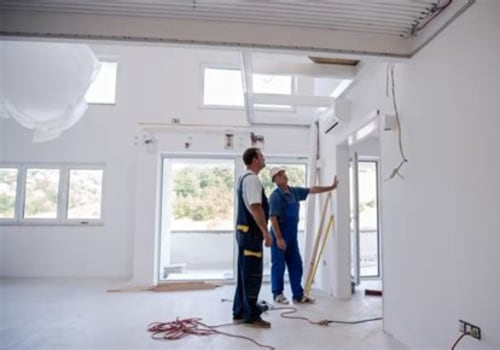
Building repair is a critical aspect of property management that encompasses a wide range of activities aimed at maintaining and restoring the integrity of structures. From minor fixes like patching drywall to major renovations such as roof replacements, building repair plays a vital role in ensuring that properties remain safe, functional, and aesthetically pleasing. Understanding what building repair entails is essential for property owners and managers who wish to protect their investments and enhance the longevity of their buildings. The importance of building repair cannot be overstated. Regular maintenance not only addresses existing issues but also prevents potential problems from escalating into costly repairs.
For instance, neglecting small leaks can lead to significant water damage, mold growth, and structural deterioration over time. By prioritizing timely repairs, property owners can safeguard their assets, maintain compliance with safety regulations, and ultimately preserve the value of their properties. Moreover, effective building repair contributes to a positive environment for occupants. Whether it’s a residential home or a commercial space, well-maintained buildings foster comfort and satisfaction among tenants and employees alike. This not only enhances the overall experience but can also lead to increased tenant retention and higher rental income.
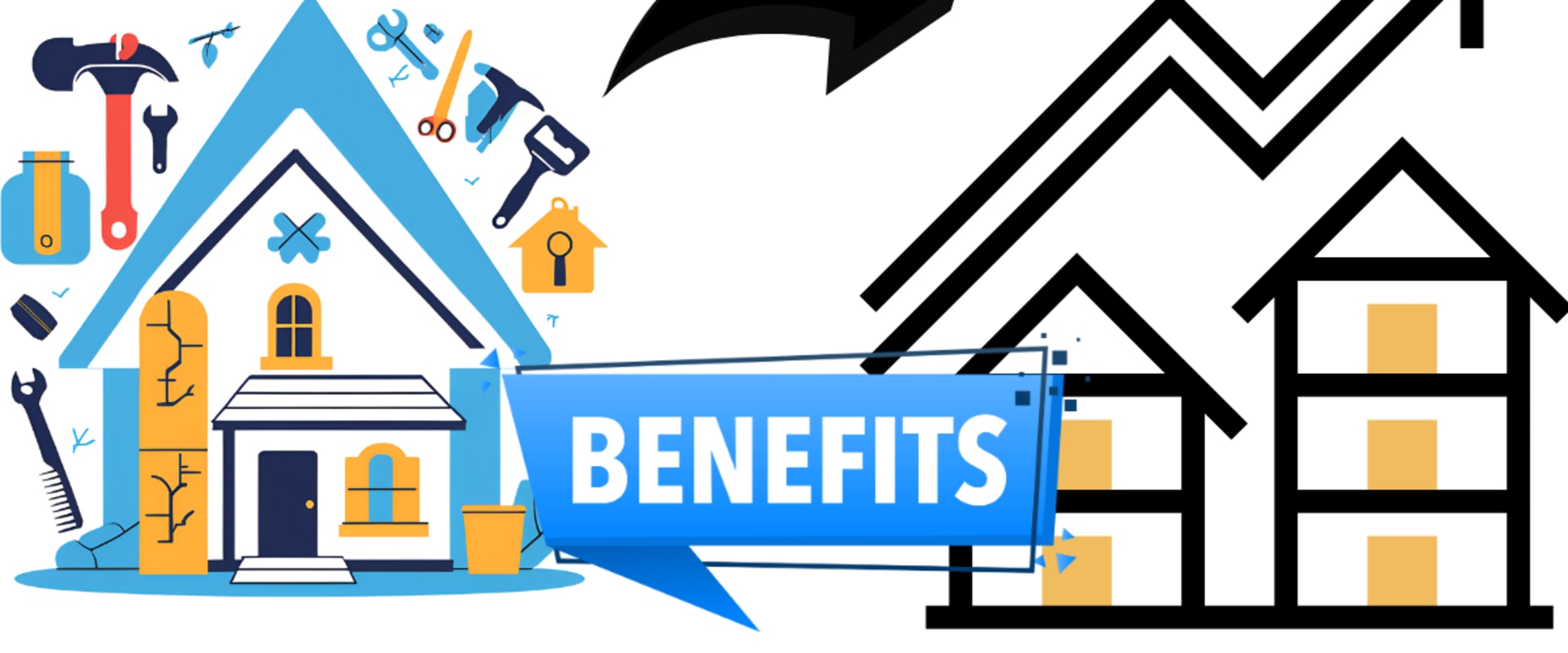
In essence, understanding the nuances of building repair is the first step toward realizing its numerous benefits, which will be explored in detail in the following sections.
Enhancing Safety and Security
Regular building repair and maintenance play a crucial role in enhancing the overall safety and security of a structure. By addressing potential hazards before they escalate, property owners can create a safer environment for both occupants and visitors.Preventing Accidents
- Structural Integrity: Regular inspections and timely repairs ensure that the building's structural components, such as beams, walls, and roofs, remain sound. This minimizes the risk of collapses or other structural failures that could lead to serious injuries.
- Hazardous Conditions: Routine maintenance helps identify and rectify hazardous conditions like water leaks, mold growth, or electrical issues. These problems can pose significant health risks if left unaddressed.
- Fire Safety: Maintaining fire alarms, extinguishers, and sprinkler systems is essential.
Regular checks ensure these systems are functional, providing peace of mind that occupants are protected in case of an emergency.
Enhancing Security
- Access Control: Regular maintenance of locks, doors, and windows ensures that entry points are secure. This deters unauthorized access and protects against theft or vandalism.
- Lighting: Well-maintained lighting systems in and around the building enhance visibility, reducing the likelihood of accidents and deterring criminal activity.
- CCTV and Alarm Systems: Keeping surveillance cameras and alarm systems in good working order is vital for monitoring premises effectively. Regular checks can help identify any malfunctions that could compromise security.
Increasing Property Value
Regular building maintenance and timely repair work are crucial for enhancing the overall property value.When property owners invest in consistent upkeep, they not only preserve the structural integrity of their buildings but also create a more appealing environment for potential buyers or tenants.One of the primary benefits of regular maintenance is that it prevents minor issues from escalating into major problems. For instance, a small leak can lead to significant water damage if left unaddressed, ultimately requiring costly repairs. By proactively managing these issues, property owners can save money in the long run and maintain a higher building maintenance value.
Enhancing Curb Appeal
A well-maintained building naturally attracts more interest. Properties that are regularly painted, landscaped, and cleaned not only look more inviting but also signal to potential buyers that the property has been cared for.This enhanced curb appeal can significantly increase the perceived value of a property in the competitive real estate market.
Long-Term Investment Returns
For those viewing their properties as real estate investments, regular maintenance is essential for maximizing returns. Properties that are kept in good condition tend to appreciate faster than those that are neglected. Investors who prioritize maintenance often find that their properties sell for higher prices and attract quality tenants willing to pay premium rents.- Increased Resale Value: Properties with a history of regular maintenance often command higher resale prices.
- Attracting Quality Tenants: Well-maintained buildings are more likely to attract responsible tenants who value their living environment.
- Lower Operating Costs: Preventative maintenance reduces the likelihood of emergency repairs, leading to lower overall operating costs.
Reducing Long-Term Costs
Regular building maintenance plays a crucial role in reducing long-term costs associated with property ownership.By investing in routine inspections and timely repairs, property owners can significantly lower the risk of encountering major issues that require expensive fixes.One of the primary financial benefits of maintenance is the prevention of costly repairs. For instance, a small leak in a roof can lead to extensive water damage if left unaddressed. By regularly inspecting and maintaining the roof, property owners can identify and repair minor issues before they escalate into major problems, thus saving thousands of dollars in potential repair costs.Additionally, regular maintenance can enhance the overall efficiency of building systems, such as heating, ventilation, and air conditioning (HVAC). Well-maintained systems operate more efficiently, which can lead to lower energy bills.
This not only contributes to immediate savings but also extends the lifespan of these systems, further reducing replacement costs.
- Cost Savings: Regular maintenance helps identify issues early, preventing expensive repairs down the line.
- Increased Efficiency: Well-maintained systems consume less energy, leading to lower utility bills.
- Extended Lifespan: Routine care prolongs the life of building components, reducing the frequency of replacements.
Improving Energy Efficiency
Regular building repair and maintenance play a crucial role in enhancing energy efficiency.By addressing issues such as leaks, insulation gaps, and outdated systems, property owners can significantly reduce energy consumption and lower utility bills.One of the primary ways to improve energy efficiency is through the maintenance of heating, ventilation, and air conditioning (HVAC) systems. Regular inspections and timely repairs ensure that these systems operate at peak performance, preventing energy waste. For instance, a well-maintained HVAC system can reduce energy costs by up to 30%.
Benefits of Energy Efficiency in Building Maintenance
- Lower Utility Bills: By improving energy efficiency, buildings can see a substantial decrease in monthly utility expenses.
- Extended Lifespan of Systems: Regular maintenance helps prolong the life of critical systems, reducing the need for costly replacements.
- Enhanced Comfort: Properly maintained buildings provide a more comfortable environment for occupants, leading to increased productivity and satisfaction.
- Sustainability: Energy-efficient buildings contribute to environmental sustainability by reducing carbon footprints and conserving resources.
This trend is supported by various green building certifications that recognize energy-efficient practices.In conclusion, prioritizing regular building repair and maintenance is essential for improving energy efficiency. By doing so, property owners can enjoy reduced energy costs, contribute to environmental sustainability, and enhance the overall value of their properties.
Enhancing Aesthetic Appeal
Regular building repair and maintenance play a crucial role in enhancing the overall aesthetic appeal of a property. A well-maintained building not only looks more inviting but also reflects positively on the management and care that has gone into it. This visual impact can significantly influence potential tenants or buyers, making them more likely to choose your property over others.One of the primary aspects of curb appeal maintenance is ensuring that the exterior of the building is in top condition.This includes:
- Fresh Paint: Regularly repainting surfaces can prevent deterioration and keep the building looking vibrant.
- Landscaping: Well-kept gardens and lawns enhance the visual appeal and create a welcoming atmosphere.
- Clean Windows: Sparkling windows allow natural light to flood in, making interiors feel more spacious and inviting.
- Repairing Structural Elements: Addressing issues like cracked walls or damaged roofing not only improves safety but also enhances the overall look of the building.
Maintaining Compliance with Regulations
Regular building maintenance and repair play a crucial role in maintaining compliance with regulations.Local building codes and regulations are established to ensure safety, accessibility, and sustainability. By adhering to these standards, property owners can avoid potential legal issues that may arise from non-compliance.One of the primary benefits of regular maintenance is the ability to identify and rectify issues before they escalate into significant problems. For instance, failing to address minor repairs can lead to violations of building codes, resulting in fines or even legal action. Regular inspections help ensure that all aspects of a building, from electrical systems to plumbing, meet the required standards.
- Legal Requirements: Many jurisdictions have specific legal requirements regarding the upkeep of buildings.
Regular maintenance ensures that property owners remain compliant with these laws, reducing the risk of penalties.
- Safety Standards: Compliance with safety regulations is paramount. Regular repairs can prevent accidents caused by structural failures or hazardous conditions, protecting both occupants and visitors.
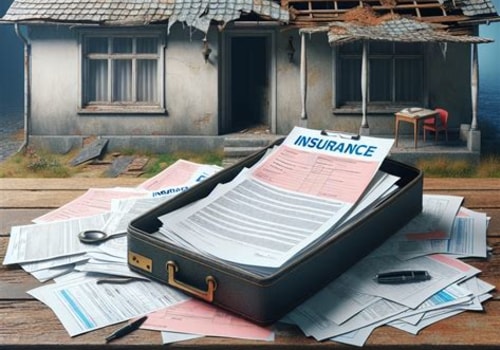
- Insurance Benefits: Insurance companies often require proof of regular maintenance to validate claims. Keeping up with repairs can help ensure coverage remains intact in case of an incident.
This not only aids in retaining current occupants but also facilitates smoother transactions when selling or leasing the property.In conclusion, regular building maintenance and repair are essential for ensuring compliance with local regulations. By prioritizing these practices, property owners can safeguard their investments, enhance safety, and avoid costly legal repercussions.
FAQs About Building Repair and Maintenance
When it comes to building repair and maintenance, many property owners have questions. Here are some frequently asked questions that can help clarify the importance and process of maintaining your building.What are the most common building repair issues?
- Roof leaks: Often caused by weather damage or aging materials.
- Plumbing problems: Issues like leaks, clogs, and pipe corrosion can lead to significant damage if not addressed promptly.
- Electrical issues: Faulty wiring or outdated systems can pose safety hazards.
- Structural damage: Cracks in walls or foundations may indicate serious underlying problems.
How often should I perform maintenance on my building?
Regular maintenance is crucial for the longevity of your property. It is recommended to conduct a thorough inspection at least twice a year.Seasonal checks can help identify potential issues before they escalate into costly repairs.
What are some tips for effective building maintenance?
- Create a maintenance schedule: Plan regular inspections and repairs to stay ahead of potential issues.
- Document everything: Keep records of all repairs and maintenance work to track the condition of your building over time.
- Hire professionals: For complex repairs, it’s wise to consult with licensed contractors who specialize in building repair.
- Stay informed: Keep up with local building codes and regulations to ensure compliance during repairs.
Conclusion: The Importance of Regular Building Maintenance and Repair
In conclusion, the significance of regular building maintenance and repair cannot be overstated. By prioritizing these practices, property owners can ensure the safety and longevity of their buildings while also enhancing their overall value. One of the primary benefits of consistent maintenance is the prevention of costly repairs. When minor issues are addressed promptly, they do not escalate into major problems that require extensive resources to fix. This proactive approach not only saves money but also minimizes disruption to tenants and operations. Moreover, regular maintenance contributes to a safer environment.Buildings that are well-maintained reduce the risk of accidents caused by structural failures or hazardous conditions. This is particularly crucial in commercial properties where the safety of employees and customers is paramount. Additionally, maintaining a building's aesthetic appeal through regular repairs can significantly impact its market value. A well-kept property attracts potential buyers or tenants, ensuring a higher return on investment. To summarize, the benefits of building repair and maintenance extend beyond mere aesthetics; they encompass financial savings, safety enhancements, and increased property value.
By committing to a routine maintenance schedule, property owners can protect their investments and create a more sustainable future for their buildings.