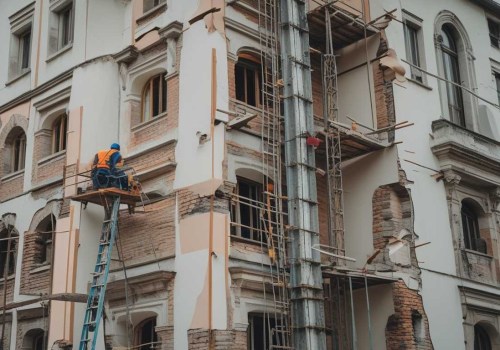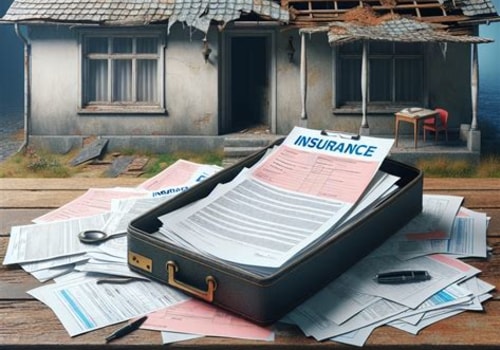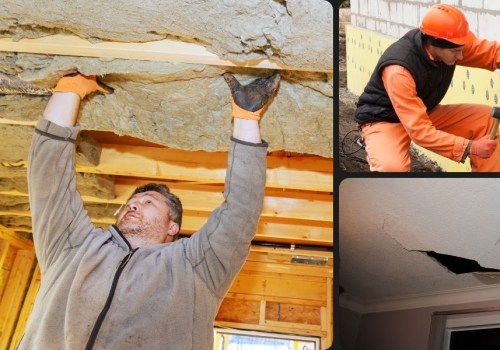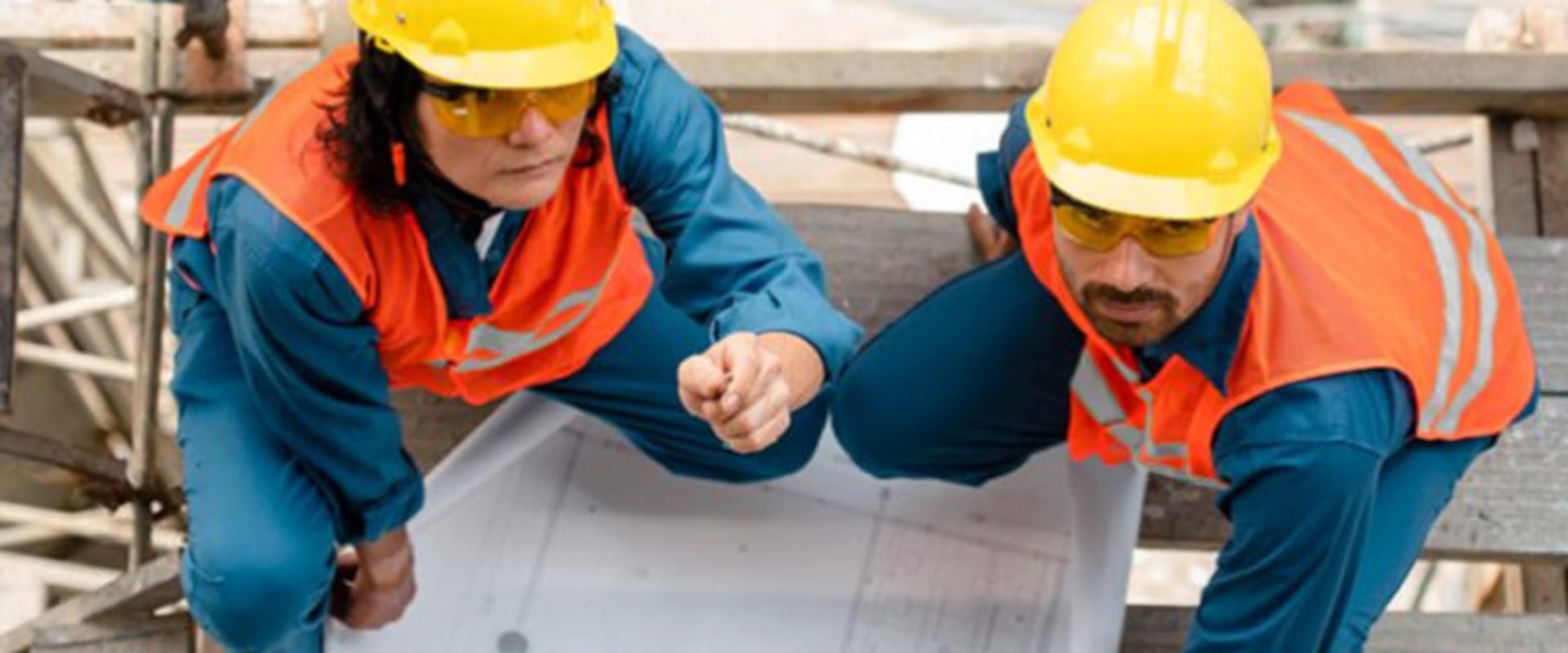
Building repair projects are essential undertakings that ensure the longevity and safety of structures. Whether it’s a residential home or a commercial building, building repair encompasses a wide range of activities aimed at restoring, maintaining, or improving the integrity of a property. These projects can vary significantly in scope, from minor cosmetic fixes to extensive structural renovations. Understanding the nuances of building repair projects is crucial for homeowners and property managers alike, as it sets the foundation for successful outcomes. As with any construction-related endeavor, building repair is not without its challenges.
Various factors can complicate the process, including unforeseen structural issues, budget constraints, and regulatory compliance. Additionally, the choice of materials and contractors can significantly impact the quality and efficiency of the repairs. By gaining an overview of common issues that may arise during these projects, stakeholders can better prepare themselves to navigate potential pitfalls and ensure that their investments yield positive results. In this article, we will delve deeper into the common challenges faced during building repair projects. By identifying these issues early on, you can implement strategies to mitigate risks and enhance the overall success of your repair initiatives.
Whether you are embarking on a small renovation or a large-scale restoration, understanding these dynamics will empower you to make informed decisions throughout the process.
Common Issues in Building Repair Projects
Building repair projects can often encounter a variety of common issues that can complicate the process and lead to delays or increased costs. Understanding these challenges is crucial for homeowners and contractors alike. One of the most prevalent problems is unexpected structural damage. During repairs, hidden issues such as rot, mold, or pest infestations may be uncovered, necessitating additional work and resources. This can significantly alter the project timeline and budget. Another frequent challenge is poor communication among stakeholders.Misunderstandings between contractors, subcontractors, and clients can lead to mistakes in execution, resulting in costly rework. Establishing clear lines of communication from the outset is essential to mitigate this risk. Additionally, weather conditions can pose significant challenges during building repairs. Rain, snow, or extreme temperatures can halt progress and affect the quality of work. Planning for seasonal variations and having contingency plans in place can help manage these risks. Moreover, budget overruns are a common issue in building repair projects.
Inaccurate estimates or unforeseen complications can lead to expenses exceeding initial projections. It’s advisable to include a contingency fund in the budget to accommodate potential overruns. Lastly, regulatory compliance can also present hurdles. Building codes and regulations vary by location and may change over time. Ensuring that all repairs meet local standards is vital to avoid fines or the need for additional modifications. In summary, being aware of these building repair problems can help project managers and homeowners navigate potential pitfalls effectively.
By anticipating these challenges, stakeholders can implement strategies to minimize their impact on the overall project.
Budget Overruns: Causes and Solutions
One of the most significant challenges in any building repair project is managing the budget effectively.Budget overruns
can occur for various reasons, often leading to financial strain and project delays. Understanding these causes is essential for both contractors and property owners.Common Causes of Budget Overruns:- Unforeseen Structural Issues: Hidden problems such as mold, water damage, or structural weaknesses can surface during repairs, necessitating additional funds.
- Material Cost Fluctuations: Prices for construction materials can vary significantly due to market conditions, impacting the overall budget.
- Poor Initial Estimates: Inaccurate assessments of the scope of work can lead to underbudgeting, resulting in overruns as the project progresses.
- Change Orders: Modifications requested by the property owner or unforeseen changes in project scope can add unexpected costs.
- Thorough Planning: Conduct a detailed assessment before starting any building repair. This includes a comprehensive inspection and a realistic estimate of costs.
- Contingency Fund: Set aside a contingency fund, typically 10-20% of the total budget, to cover unexpected expenses that may arise during the project.
- Regular Monitoring: Keep track of expenses throughout the project.
Regularly review the budget against actual spending to identify potential overruns early.
- Clear Communication: Maintain open lines of communication with all stakeholders. Ensure that any changes in scope or costs are discussed and agreed upon promptly.
Delays in Project Timelines
Delays in building repair projects can be a significant source of frustration for contractors, property owners, and stakeholders alike. Understanding the common causes of these delays is crucial for effective project management and timely completion.One of the primary reasons for delays in building repair is unforeseen circumstances. These can include:- Weather conditions: Inclement weather can halt construction activities, especially for exterior repairs.
- Supply chain issues: Delays in the delivery of materials can push back timelines significantly.
- Labor shortages: A lack of skilled labor can slow down progress, particularly if specialized trades are required.
- Permitting and inspections: Delays in obtaining necessary permits or scheduling inspections can stall work.
Inadequate timelines or unrealistic expectations can lead to rushed work, which may result in further complications down the line. To mitigate these risks, consider the following strategies:
- Thorough Planning: Invest time in detailed project planning that includes realistic timelines and contingencies for potential delays.
- Regular Communication: Maintain open lines of communication among all parties involved to quickly address any emerging issues.
- Flexible Scheduling: Build flexibility into your schedule to accommodate unexpected delays without derailing the entire project.
- Contingency Funds: Set aside a budget for unforeseen expenses that may arise due to delays.
Quality Control Issues: Ensuring Standards Are Met
Quality control is a critical aspect of any building repair project, as it directly impacts the durability and safety of the structure. Without proper quality assurance measures, various issues can arise that may compromise the integrity of the repairs.One common issue is the use of substandard materials. Contractors may opt for cheaper alternatives to save costs, which can lead to premature failures.It is essential to ensure that all materials meet the required standards and specifications. Regular inspections and material testing can help mitigate this risk.Another significant concern is inadequate workmanship. Even high-quality materials can fail if not installed correctly. To address this, it is crucial to hire experienced professionals who adhere to industry best practices.
Implementing a system of checks and balances, such as peer reviews or third-party inspections, can further enhance the quality of workmanship.
- Regular Inspections: Schedule frequent site visits to monitor progress and ensure compliance with quality standards.
- Documentation: Maintain detailed records of all materials used and inspections conducted to provide accountability.
- Training: Invest in ongoing training for workers to keep them updated on the latest techniques and standards in building repair.
Communication Breakdowns Among Stakeholders
Effective communication is a cornerstone of any successful building repair project.When stakeholders, including contractors, architects, and clients, fail to communicate effectively, it can lead to significant issues that may derail the project timeline and budget.
Common Communication Issues
- Misunderstandings: Different interpretations of project specifications can lead to errors in execution. For instance, if a contractor misinterprets the design plans due to unclear instructions, it can result in costly rework.
- Lack of Updates: Regular updates are essential for keeping all parties informed about progress and potential challenges. Without these updates, stakeholders may be unaware of delays or changes that could impact their responsibilities.
- Inconsistent Messaging: When different stakeholders provide conflicting information, it creates confusion and frustration. This inconsistency can stem from poor documentation or a lack of a centralized communication platform.
Strategies for Managing Communication
- Establish Clear Channels: Define specific communication channels for different types of information.
For example, use email for formal updates and instant messaging for quick questions.
- Regular Meetings: Schedule regular check-ins to discuss progress and address any concerns. These meetings foster collaboration and ensure everyone is on the same page.
- Documentation: Keep thorough records of all communications, decisions made, and changes to the project scope. This documentation serves as a reference point and helps prevent misunderstandings.
Unexpected Structural Issues: What to Expect
During a building repair project, encountering unexpected structural issues can be a significant setback.These hidden problems often arise from underlying conditions that were not visible during initial assessments. Understanding these potential issues and how to address them is crucial for a successful repair process.
Common Unexpected Structural Issues
- Foundation Problems: Cracks in the foundation or settling can indicate serious structural concerns. These issues may require extensive repairs and should be addressed immediately to prevent further damage.
- Water Damage: Hidden leaks or moisture accumulation can lead to mold growth and wood rot, compromising the integrity of the structure. Identifying the source of water intrusion is essential for effective remediation.
- Pest Infestations: Termites and other pests can cause significant damage to wooden structures.
Regular inspections are necessary to catch these infestations early.
- Improper Previous Repairs: If previous repairs were not conducted correctly, they could lead to further complications. It’s important to assess past work to ensure it meets current standards.
Dealing with Structural Repairs
When unexpected structural issues arise, it’s vital to take a systematic approach:
- Conduct a Thorough Inspection: Engage a qualified inspector or structural engineer to evaluate the extent of the damage and recommend necessary repairs.
- Create a Repair Plan: Based on the inspection findings, develop a detailed plan that outlines the scope of work, materials needed, and estimated costs.
- Communicate with Stakeholders: Keep all parties informed about the findings and proposed solutions. Transparency helps manage expectations and fosters trust.
- Monitor Progress: Regularly check on the repair work to ensure it adheres to the plan and meets safety standards.
Regulatory Compliance and Permitting Challenges
When undertaking a building repair project, one of the most significant hurdles can be navigating the complex landscape of regulatory compliance and permitting challenges. These legal requirements are designed to ensure safety, environmental protection, and adherence to local building codes, but they can also introduce delays and additional costs if not properly managed.Regulatory compliance
involves adhering to various laws and regulations that govern construction practices.This can include zoning laws, safety standards, and environmental regulations. Failing to comply with these regulations can lead to fines, work stoppages, or even legal action. Therefore, it is essential for property owners and contractors to thoroughly understand the specific regulations applicable to their project.One common issue arises during the permitting process. Obtaining the necessary permits can be time-consuming and often requires detailed documentation and plans.
If the submitted plans do not meet local codes or if there are discrepancies in the application, it can result in delays. Additionally, some projects may require multiple permits from different agencies, complicating the process further.
- Types of Permits: Depending on the scope of the repair work, you may need various permits such as:
- Building permits
- Electrical permits
- Plumbing permits
- Environmental permits
- Common Permitting Issues: Some frequent challenges include:
- Lack of clarity on required permits
- Inaccurate or incomplete applications
- Delays in permit approval from local authorities
By proactively managing these issues, property owners can avoid costly delays and ensure that their repairs meet all legal requirements.
Safety Concerns During Building Repairs
When undertaking a building repair project, safety concerns are paramount. These concerns can arise from various factors, including the condition of the structure, the materials used, and the methods employed during repairs. Addressing these issues effectively not only protects workers but also ensures compliance with safety regulations in construction.Common Safety Concerns
- Structural Integrity: Before beginning repairs, it is crucial to assess the structural integrity of the building. Weak or compromised structures can pose significant risks to workers and occupants.
- Hazardous Materials: Many older buildings may contain hazardous materials such as asbestos or lead paint.
Proper identification and handling of these materials are essential to prevent health risks.
- Fall Hazards: Working at heights or on unstable surfaces increases the risk of falls. Implementing safety measures such as guardrails, harnesses, and proper scaffolding is vital.
- Electrical Safety: Repairing electrical systems can be dangerous if not handled correctly. Ensuring that power is turned off and using insulated tools can help mitigate risks.
Ensuring Safety During Repairs
To ensure safety during building repairs, it is essential to follow a few key practices:- Conduct a Risk Assessment: Before starting any work, conduct a thorough risk assessment to identify potential hazards and implement appropriate safety measures.
- Provide Training: Ensure that all workers are trained in safety protocols and understand how to use personal protective equipment (PPE) effectively.
- Regular Inspections: Conduct regular inspections throughout the repair process to identify any new hazards that may arise and address them promptly.
- Emergency Preparedness: Have an emergency plan in place, including first aid kits and clear evacuation routes, to respond quickly in case of an incident.
Conclusion: Key Takeaways on Building Repair Challenges
In conclusion, navigating the complexities of building repair projects requires a keen understanding of the potential challenges that may arise.By being aware of these issues, property owners and contractors can better prepare and implement effective strategies to mitigate risks. Some of the most common challenges include:
- Budget Overruns: Unexpected costs can quickly escalate if not properly managed. It is crucial to establish a realistic budget and include a contingency fund for unforeseen expenses.
- Delays in Timeline: Delays can occur due to various factors such as weather conditions, supply chain issues, or labor shortages. Setting a flexible timeline with clear milestones can help manage expectations.
- Quality of Work: Ensuring that all repairs meet industry standards is vital. Hiring qualified professionals and conducting regular inspections throughout the project can help maintain quality.
- Communication Gaps: Effective communication between all parties involved is essential for a successful project.
Regular updates and meetings can help keep everyone on the same page.