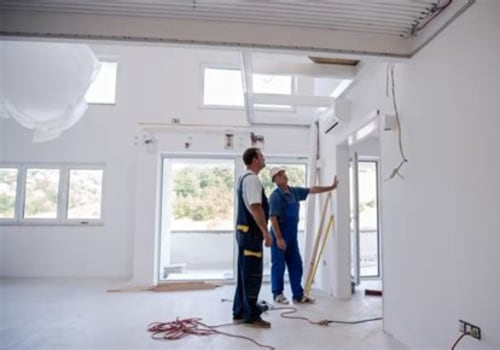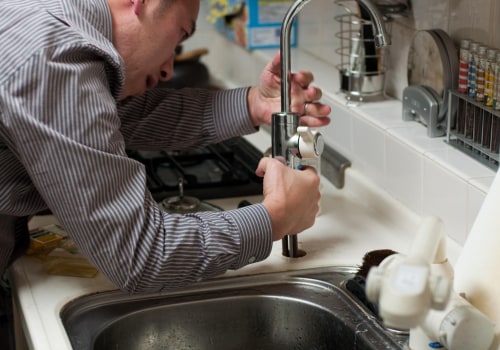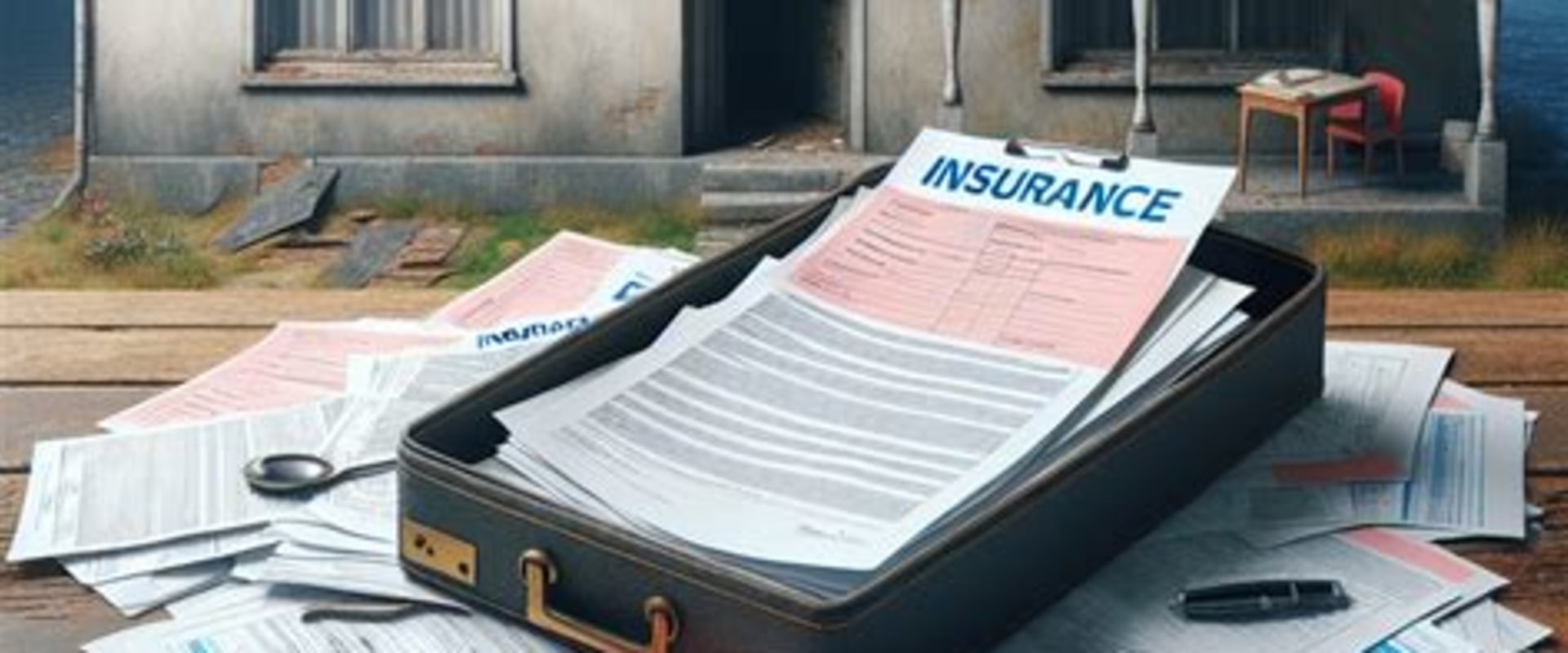
When it comes to maintaining the integrity of your property, understanding building repair insurance claims is crucial. Whether you are a homeowner or a property manager, the need for repairs can arise unexpectedly due to various factors such as natural disasters, wear and tear, or accidents. This raises an important question: can I claim insurance for building repairs? The answer often depends on the specifics of your insurance policy and the nature of the damage. Many people are unaware that their insurance may cover certain types of repairs, which can lead to significant financial relief.
Building repair insurance
is designed to help policyholders manage the costs associated with restoring their properties.However, navigating the claims process can be daunting. It involves understanding your coverage limits, deductibles, and the documentation required to substantiate your claim. In this article, we will explore the intricacies of insurance claims for repairs, including what types of damages are typically covered, how to file a claim effectively, and common pitfalls to avoid. By arming yourself with knowledge about your rights and responsibilities as a policyholder, you can make informed decisions that protect your investment and ensure that your property remains safe and functional.
Understanding Building Repair Insurance
Building repair insurance is a specialized type of coverage designed to protect property owners from the financial burden associated with repairing or replacing damaged structures. This insurance can be crucial for homeowners and businesses alike, as it provides peace of mind in the event of unforeseen incidents such as natural disasters, accidents, or vandalism.Types of Building Repair Insurance
- Homeowners Insurance: This is the most common type of building repair insurance for residential properties.
It typically covers damages caused by fire, theft, and certain natural disasters.
- Commercial Property Insurance: Designed for business owners, this insurance covers buildings used for commercial purposes. It protects against similar risks as homeowners insurance but is tailored to the needs of businesses.
- Builder's Risk Insurance: This temporary insurance is essential during the construction or renovation of a building. It covers damages that may occur while the property is being built or remodeled.
- Flood Insurance: Since standard building repair policies often exclude flood damage, separate flood insurance is necessary for properties in flood-prone areas.
Coverage Options
The coverage options available under building repair insurance can vary significantly based on the policy type and provider. Common coverage options include:- Structural Damage: Covers repairs to the physical structure of the building, including walls, roofs, and foundations.
- Contents Coverage: Protects personal belongings within the building, such as furniture and appliances, from damage or theft.
- Liability Protection: Offers coverage in case someone is injured on your property due to structural issues.
- Add-on Coverages: Many insurers offer additional options like coverage for equipment breakdowns or loss of rental income during repairs.
When Can You Claim Insurance for Building Repairs?
Understanding when to claim building repair insurance is crucial for homeowners and property managers alike.Insurance claims can be filed under various circumstances, primarily when the damage is sudden and accidental, rather than due to neglect or lack of maintenance.
Eligible Damages for Claims
- Natural Disasters: Events such as hurricanes, tornadoes, earthquakes, and floods often lead to significant structural damage. Most standard policies cover these incidents, but it’s essential to check your specific coverage.
- Accidental Damage: This includes damages caused by unforeseen accidents, such as a tree falling on your house or a vehicle crashing into your property.
- Theft and Vandalism: If your building suffers damage due to theft or vandalism, you may be eligible for a claim. This can include broken windows or doors and other structural damages.
- Fire Damage: Fires can cause extensive damage to buildings. Most insurance policies cover fire-related damages, but it’s important to understand the specifics of your policy.
- Wear and Tear: Generally, insurance does not cover damages resulting from normal wear and tear.
However, if wear leads to a sudden failure (like a roof collapse), it may be claimable.
Claimable Events
To successfully file a claim for building repairs, you must document the damage thoroughly. This includes taking photographs, keeping receipts for repairs, and providing any relevant reports from professionals (like contractors or inspectors). Additionally, notifying your insurance company promptly after the incident is crucial; most policies have specific time frames within which claims must be reported.In summary, knowing when you can claim building repair insurance helps ensure that you are prepared in case of unexpected events. Always review your policy details and consult with your insurance agent to clarify what is covered under your plan.
The Claims Process: Step-by-Step Guide
Filing a claim for building repairs can seem daunting, but breaking it down into manageable steps can simplify the process.Here’s a detailed guide to help you navigate the claims process effectively.
- Review Your Policy: Before initiating a claim, carefully review your insurance policy to understand what is covered. Look for specific clauses related to building repairs, including any exclusions or limitations.
- Document the Damage: Take clear photographs and videos of the damage. Make notes detailing the extent of the damage and any immediate actions taken to mitigate further issues. This documentation will be crucial for your claim.
- Contact Your Insurance Company: Reach out to your insurance provider as soon as possible.
Most companies have a dedicated claims department that can guide you through the process. Be prepared to provide your policy number and details about the incident.
- Complete the Claim Form: Your insurer will likely require you to fill out a claim form. Ensure that all information is accurate and complete. Include your documentation of the damage and any relevant receipts or estimates for repairs.
- Submit Your Claim: Once your claim form is complete, submit it along with all supporting documents.
Keep copies of everything you send for your records.
- Follow Up: After submitting your claim, follow up with your insurance company to confirm receipt and inquire about the timeline for processing. This step is crucial to ensure that your claim is being handled promptly.
- Prepare for an Inspection: In many cases, an adjuster will be assigned to assess the damage. Be available for this inspection and provide any additional information they may need.
- Review the Settlement Offer: Once your claim is processed, you will receive a settlement offer. Review it carefully and ensure it covers all necessary repairs.
If you believe the offer is insufficient, don’t hesitate to negotiate.
- Keep detailed records of all communications with your insurer.
- Be honest and transparent about the damage and circumstances surrounding it.
- If necessary, consult with a public adjuster who can advocate on your behalf.
Common Challenges in Filing Claims
Filing a claim for building repair can often be a daunting process, fraught with challenges that may hinder your ability to receive the compensation you deserve. Understanding these common obstacles can help you navigate the claims process more effectively.Common Challenges in Building Repair Claims
- Insufficient Documentation: One of the primary reasons claims are denied is due to inadequate documentation. Insurers require detailed evidence of the damage, including photographs, repair estimates, and receipts. Failing to provide comprehensive documentation can lead to delays or outright denials.
- Policy Exclusions: Many insurance policies contain specific exclusions that may apply to your situation.
For instance, damage caused by natural wear and tear or certain types of water damage might not be covered. It’s crucial to thoroughly review your policy to understand what is and isn’t included.
- Underestimating Repair Costs: If your initial claim underestimates the cost of repairs, insurers may deny additional claims for the same damage. Always obtain multiple estimates from licensed contractors to ensure you have an accurate understanding of repair costs.
- Failure to Meet Deadlines: Insurance policies often have strict timelines for filing claims. Missing these deadlines can result in automatic denial of your claim.
Keep track of all relevant dates and ensure you submit your claim promptly.
Overcoming Claim Issues
While these challenges can be significant, there are strategies you can employ to overcome them:- Keep Detailed Records: Maintain a comprehensive file that includes all correspondence with your insurer, photographs of damages, and any repair estimates. This will serve as a valuable resource if disputes arise.
- Consult with Professionals: Consider hiring a public adjuster or an attorney who specializes in insurance claims. They can provide expert guidance and help advocate on your behalf.
- Communicate Clearly: When dealing with your insurance company, be clear and concise in your communication. Ensure that all information provided is accurate and complete to avoid misunderstandings.
Frequently Asked Questions About Building Repair Insurance Claims
When it comes to building repair insurance claims, many homeowners have questions.Here are some of the most frequently asked questions to help clarify your doubts:
- What types of damages are covered by building repair insurance?
Most policies cover damages caused by fire, storms, vandalism, and certain types of water damage. However, coverage can vary significantly between policies, so it’s essential to review your specific plan. - How do I file a building repair insurance claim?
To file a claim, contact your insurance provider as soon as possible. They will guide you through the process, which typically involves documenting the damage, filling out a claim form, and possibly scheduling an inspection. - What documentation do I need for my claim?
You will generally need to provide photographs of the damage, receipts for repairs, and any relevant correspondence with contractors or service providers. Keeping detailed records can expedite the claims process. - How long does it take to process a building repair claim?
The timeline can vary based on the complexity of the claim and the insurance company’s procedures.On average, it may take anywhere from a few days to several weeks.
- Can I choose my own contractor for repairs?
Yes, most insurance policies allow you to select your own contractor. However, it’s advisable to inform your insurer beforehand to ensure that the costs will be covered.
Conclusion: Key Takeaways on Building Repair Insurance Claims
In conclusion, understanding building repair insurance claims is crucial for homeowners and property managers alike. The process can often seem daunting, but being informed can significantly ease the burden when unexpected repairs arise.Here are the key takeaways to remember:- Know Your Policy: Familiarize yourself with the specifics of your insurance policy, including what types of damages are covered and any exclusions that may apply.
- Document Everything: Keep detailed records of all damages, repairs, and communications with your insurance provider. Photographs and written descriptions can be invaluable during the claims process.
- Understand the Claims Process: Each insurance company has its own procedures for filing claims.
Make sure you understand these steps to avoid delays.
- Seek Professional Help: If you're unsure about the claims process or feel overwhelmed, consider consulting with a public adjuster or an attorney who specializes in insurance claims.
- Be Proactive: Regular maintenance and timely repairs can prevent larger issues down the line, potentially saving you from costly claims.