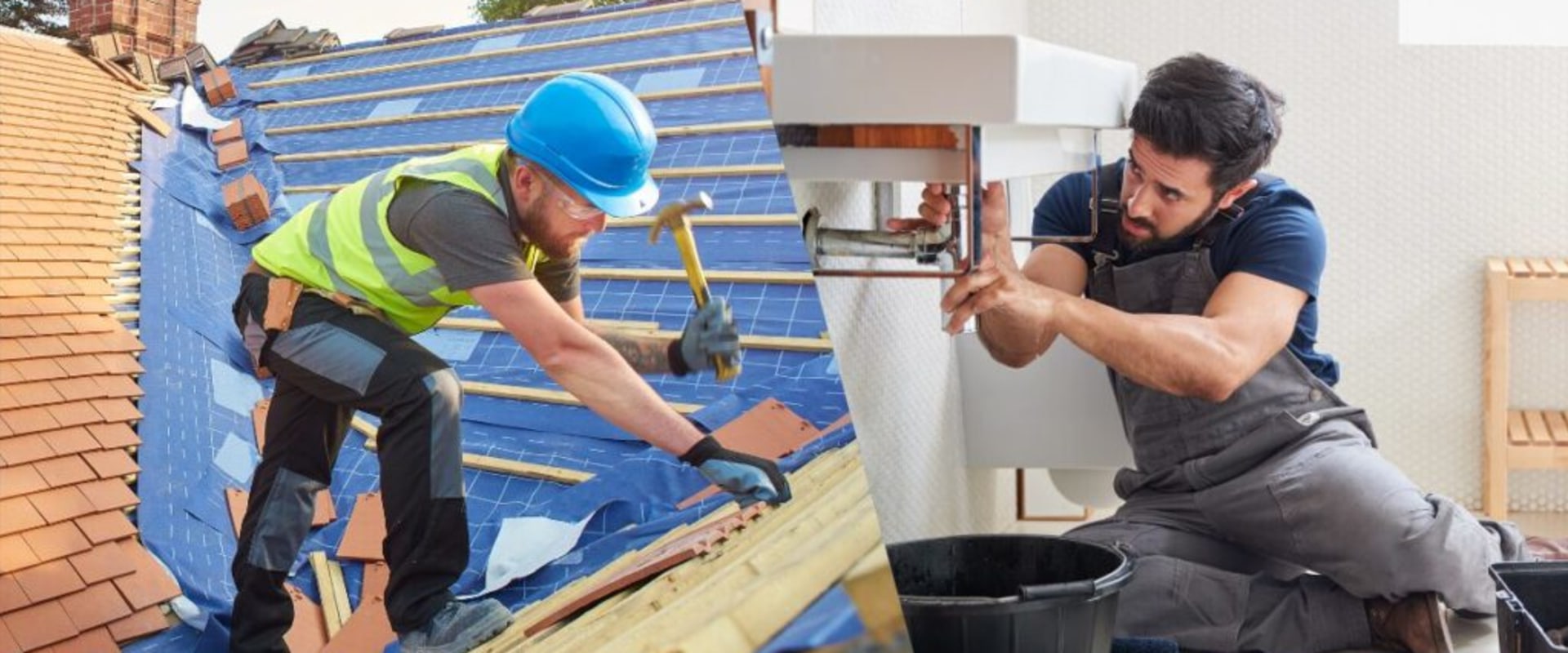
When it comes to managing a property, understanding the tax benefits associated with building repairs and maintenance can significantly impact your bottom line. Many property owners are unaware that certain expenses related to maintaining and repairing their buildings can be deducted from their taxable income, ultimately reducing their overall tax liability. This section will delve into the nuances of these deductions, providing clarity on what qualifies as a repair versus a capital improvement. Repairs are essential for preserving the integrity and functionality of a building. Whether it’s fixing a leaky roof, replacing broken windows, or addressing plumbing issues, these activities not only enhance the property’s value but also offer potential maintenance deductions that can be advantageous during tax season.
Understanding the IRS guidelines on what constitutes a deductible repair is crucial for property owners looking to maximize their tax savings. As we explore this topic further, we will highlight specific examples of deductible repairs, discuss the importance of keeping detailed records, and outline strategies for effectively leveraging these tax benefits. By the end of this article, you will have a comprehensive understanding of how to navigate the complexities of tax deductions related to building repairs and maintenance, ensuring you make informed decisions that benefit your financial health.
Understanding Building Repairs vs. Improvements
When it comes to building repairs and improvements, understanding the distinction between the two is essential for both property owners and tax implications. While both terms relate to maintaining a property, they serve different purposes and have varying effects on your taxes.Definitions:
- Building Repairs: These are activities that restore a property to its original condition without significantly enhancing its value or extending its life.
Examples include fixing a leaky roof, patching up walls, or replacing broken windows.
- Improvements: In contrast, improvements are upgrades that enhance the value of the property, extend its useful life, or adapt it for a different use. Examples include adding a new room, upgrading the electrical system, or installing energy-efficient windows.
This means that while you can still benefit from tax deductions, the process is spread out over several years rather than providing immediate relief. For instance, if you invest in a major renovation that increases your property's value, you will need to recover that cost through depreciation deductions over the asset's useful life.Understanding these differences is crucial for property owners looking to maximize their tax benefits while ensuring compliance with IRS regulations. By accurately categorizing expenses as either repairs or improvements, you can make informed decisions that positively impact your financial situation.
Tax Deductions for Building Repairs
When it comes to building repairs, understanding the available tax deductions can significantly impact your financial strategy. The IRS allows property owners to deduct certain expenses related to repairs and maintenance, which can help reduce taxable income.What Qualifies as a Deductible Expense?
- Routine Maintenance: Regular upkeep such as painting, fixing leaks, or replacing broken fixtures is generally deductible.
- Repairs to Maintain Value: Expenses incurred to keep the property in good working condition, like repairing a roof or replacing worn-out flooring, are also eligible.
- Emergency Repairs: Costs associated with urgent repairs that prevent further damage, such as plumbing issues or electrical failures, can be deducted.
According to IRS guidelines, improvements that enhance the value of the property or extend its life are not deductible as repairs. Instead, these costs must be capitalized and depreciated over time.
IRS Guidelines on Building Repairs
The IRS provides specific guidelines on what constitutes a repair versus an improvement. Generally, if the work done does not materially add to the value of the property or significantly prolong its useful life, it is likely considered a repair. For example:
- Replacing a broken window: This is a repair and can be deducted.
- Upgrading to energy-efficient windows: This is considered an improvement and must be capitalized.
This includes invoices, receipts, and any relevant documentation that supports your claims. Consulting with a tax professional can also provide clarity on how best to categorize your expenses for tax purposes.
Tax Credits Related to Building Maintenance
When it comes to building maintenance, understanding the available tax credits can significantly reduce costs and incentivize property owners to invest in necessary repairs. Two prominent types of tax credits that may apply are energy efficiency credits and historical preservation credits.Energy Efficiency Credits
Many states and the federal government offer tax credits for improvements that enhance a building's energy efficiency. These credits are designed to encourage property owners to upgrade their systems, such as:- Heating, ventilation, and air conditioning (HVAC) systems
- Insulation improvements
- Energy-efficient windows
- Solar energy systems
For instance, the federal government has offered tax credits under the Energy Policy Act, which can cover a percentage of the costs associated with qualifying improvements.
Historical Preservation Credits
If your building is designated as a historic structure, you may be eligible for historical preservation credits. These credits are aimed at encouraging the restoration and maintenance of historic properties. Key points include:- The credit typically covers a percentage of qualified rehabilitation expenses.
- The property must meet specific criteria set by the National Park Service.
- The work must adhere to the Secretary of the Interior's Standards for Rehabilitation.
Record Keeping for Tax Benefits on Repairs and Maintenance
When it comes to claiming tax benefits for building repair and maintenance, meticulous record keeping is essential.Proper documentation not only supports your claims but also ensures compliance with IRS regulations. Here are some key aspects to consider:
Documentation Requirements
- Invoices and Receipts: Always keep copies of invoices and receipts for all repair and maintenance work. These documents should detail the nature of the work performed, the date, and the amount paid.
- Contracts: If you hire contractors for significant repairs, retain copies of contracts that outline the scope of work and payment terms.
- Before-and-After Photos: Taking photos before and after repairs can provide visual evidence of the work done, which can be beneficial if your claims are questioned.
- Maintenance Logs: Maintain a log of regular maintenance activities, including dates and descriptions of work performed. This can help demonstrate that you are actively managing your property.
Best Practices for Record Keeping
To streamline your record-keeping process, consider implementing these best practices:- Organize Documents: Use a dedicated folder or digital storage system to keep all repair-related documents in one place.
This makes it easier to retrieve information when needed.
- Regular Updates: Update your records promptly after any repair or maintenance work is completed. This reduces the risk of losing important documents over time.
- Consult a Tax Professional: Engaging with a tax advisor can help ensure that you are aware of all necessary documentation and compliance requirements specific to your situation.
Common FAQs About Tax Benefits for Building Repairs
When it comes to tax benefits for building repairs, many property owners have questions. Here are some of the most common inquiries:- Are building repairs tax-deductible?
Yes, in most cases, the costs associated with necessary repairs to maintain the property can be deducted from your taxable income.This includes expenses for fixing leaks, replacing broken windows, and other essential maintenance tasks.
- What qualifies as a repair versus an improvement?
Repairs are generally considered to be work that keeps the property in good condition without significantly enhancing its value or extending its life. For example, patching a roof is a repair, while adding a new roof is an improvement. - Can I deduct maintenance costs for my rental properties?
Absolutely! If you own rental properties, you can deduct the costs of maintenance and repairs as business expenses on your tax return. - Are there any limits on how much I can deduct?
While there are no specific limits on repair deductions, the IRS requires that these expenses be ordinary and necessary. It's essential to keep detailed records and receipts to substantiate your claims. - What about capital improvements?
Capital improvements, which enhance the value of the property or extend its useful life, must be capitalized and depreciated over time rather than deducted in the year they are incurred.
Consulting a Tax Professional: When and Why?
When it comes to understanding the tax benefits associated with building repairs and maintenance, consulting a tax professional can be invaluable.The complexities of tax laws can often leave property owners confused about what qualifies for deductions and how to maximize their benefits.
When to Seek Help
- If you are planning significant renovations or repairs that may impact your tax situation.
- When you are unsure whether your expenses qualify as repairs or improvements, as this distinction can affect your deductions.
- If you have multiple properties and need guidance on how to manage tax implications across them.
- During tax season, when you are compiling your financial records and need clarity on what can be deducted.
Benefits of Expert Advice
- Personalized Guidance: A tax professional can provide tailored advice based on your specific situation, ensuring you take full advantage of available deductions.
- Up-to-Date Knowledge: Tax laws frequently change, and a professional stays informed about the latest regulations that could affect your building repair deductions.
- Avoiding Mistakes: Misinterpretations of tax codes can lead to costly errors. A tax expert helps you navigate these complexities, reducing the risk of audits or penalties.
- Strategic Planning: They can assist in planning future repairs or renovations in a way that optimizes your tax benefits over time.
Conclusion: Maximizing Your Tax Benefits for Building Repairs
In conclusion, understanding the tax benefits associated with building repairs is crucial for property owners and businesses alike. By taking advantage of these benefits, you can significantly reduce your overall tax liability while maintaining the integrity and functionality of your properties.Throughout this article, we explored various aspects of building repair tax deductions, including:- Immediate deductions for repairs versus capital improvements.
- The importance of keeping detailed records and receipts.
- How different types of repairs can qualify for tax benefits.
- The potential for depreciation on larger renovation projects.
Repairs that merely maintain the property’s current condition can often be deducted in the year they are incurred, while improvements that enhance the property’s value may need to be capitalized and depreciated over time.Additionally, consulting with a tax professional can provide tailored advice based on your specific situation. They can help you navigate the complexities of tax laws and ensure you are maximizing your deductions related to building repairs.Ultimately, being proactive about understanding and utilizing these tax benefits not only aids in financial planning but also supports the long-term sustainability of your properties. By investing in necessary repairs and maintenance, you are not just preserving your assets but also potentially reaping significant tax rewards.