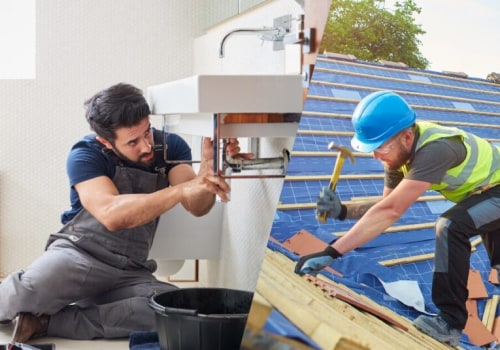
Understanding building repair and maintenance costs is crucial for property owners and managers alike. These costs encompass a wide range of expenses associated with keeping a building in good condition, ensuring safety, and maintaining its value over time. From minor repairs like fixing leaky faucets to major renovations such as roof replacements, the spectrum of building repair needs can vary significantly based on the age, type, and location of the property.Common types of building repairs include structural repairs, plumbing issues, electrical system updates, and exterior maintenance such as painting or siding replacement. Each of these categories can incur different costs, influenced by factors such as labor rates, material quality, and the complexity of the work required.
For instance, a simple plumbing fix may cost a few hundred dollars, while a complete roof overhaul could run into the thousands. Understanding these potential expenses is essential for effective maintenance budgeting.To effectively budget for these costs, it’s important to conduct regular inspections and assessments of your property. This proactive approach allows you to identify potential issues before they escalate into more significant problems that require costly repairs. Additionally, setting aside a dedicated fund for building repair and maintenance can help mitigate financial strain when unexpected issues arise.
By being prepared and informed about the types of repairs your building may need, you can ensure that your property remains safe, functional, and valuable for years to come.
Assessing Your Building's Condition
To effectively budget for building repairs and maintenance costs, it is essential to start with a thorough assessment of your building's condition. This process involves a systematic evaluation to identify any existing or potential issues that may require attention.1.Conduct a Property Inspection Begin by scheduling a comprehensive property inspection. This can be done by hiring a professional inspector or conducting a self-assessment if you have the necessary knowledge. During the inspection, pay close attention to:- Structural Integrity: Check for cracks in walls, sagging roofs, and foundation issues.
- Roof Condition: Inspect for missing shingles, leaks, and overall wear.
- Plumbing and Electrical Systems: Look for leaks, outdated wiring, and any signs of malfunction.
- Exterior Elements: Examine windows, doors, and siding for damage or decay.
Prioritize these based on urgency and potential impact on safety and functionality. For example:
- Immediate repairs (e.g., roof leaks that could lead to water damage)
- Short-term repairs (e.g., plumbing issues that need fixing within the next few months)
- Long-term maintenance (e.g., repainting or landscaping that can be scheduled later)
Creating a Repair and Maintenance Budget
Creating a budget for building repairs and maintenance is crucial for property owners and managers.A well-planned budget not only helps in managing expenses but also ensures that your building remains in good condition over time. Here are some steps to effectively plan your repair budget:
- Assess Current Condition: Start by evaluating the current state of your building. Identify areas that require immediate attention and those that may need repairs in the near future. This assessment will help you prioritize your spending.
- Estimate Costs: Once you have identified the necessary repairs, research the costs associated with each task.
You can obtain quotes from contractors or use online resources to get an idea of average prices for specific repairs.
- Consider Routine Maintenance: In addition to one-time repairs, include routine maintenance costs in your budget. Regular upkeep can prevent larger issues down the line, saving you money in the long run.
- Create a Contingency Fund: Set aside a percentage of your total budget for unexpected repairs. A good rule of thumb is to allocate 10-15% of your total maintenance budget for emergencies.
- Review Historical Data: If you have previous records of maintenance and repair costs, analyze them to identify trends. This can help you make more accurate estimates for future budgets.
- Adjust Annually: Your budget should be a living document.
Review and adjust it annually based on actual expenses and any changes in building condition or usage.
Factors Influencing Repair Costs
When budgeting for building repairs, it’s crucial to understand the various factors that can significantly influence the overall costs. These factors can vary widely depending on the nature of the repairs needed, the location of the building, and the materials used.Labor Costs
One of the primary components of repair costs is labor. Skilled tradespeople, such as electricians, plumbers, and carpenters, often charge higher rates due to their expertise. Additionally, labor costs can fluctuate based on:- Geographic location: Urban areas typically have higher labor rates compared to rural regions.
- Seasonality: Demand for construction services can spike during certain seasons, leading to increased labor costs.
- Project complexity: More complex repairs may require specialized skills, which can drive up labor expenses.
Material Costs
The choice of materials also plays a significant role in determining repair costs.High-quality or specialized materials often come with a premium price tag. Factors affecting material costs include:
- Market fluctuations: Prices for materials like lumber, steel, and concrete can vary based on market demand and supply chain issues.
- Quality and durability: Investing in higher-quality materials may reduce long-term maintenance costs but will increase initial expenses.
- Sourcing: Local availability of materials can affect pricing; sourcing from distant suppliers may incur additional shipping costs.
Setting Up an Emergency Fund for Unexpected Repairs
When it comes to building repair and maintenance, one of the most prudent financial strategies is to establish an emergency fund specifically for unexpected repairs. This fund acts as a financial safety net, ensuring that you are prepared for unforeseen circumstances that can arise with your property.Unexpected building repairs can occur at any time, whether due to natural disasters, wear and tear, or sudden system failures.Without a dedicated fund, these expenses can lead to significant financial strain. Here are some key reasons why setting up an emergency fund is essential:
- Peace of Mind: Knowing that you have funds set aside for emergencies allows you to focus on other aspects of property management without the constant worry of unexpected costs.
- Timely Repairs: An emergency fund enables you to address repairs promptly, preventing minor issues from escalating into major problems that could incur higher costs.
- Financial Stability: Having a reserve for repairs helps maintain your overall financial health, allowing you to manage your budget more effectively.
- Assess Potential Risks: Evaluate your property to identify areas that may require more frequent repairs or maintenance.
- Set a Savings Goal: Determine how much you need to save based on potential repair costs and set a realistic target.
- Create a Budget: Allocate a portion of your monthly budget towards this fund until you reach your savings goal.
Regular Maintenance vs. Reactive Repairs
When it comes to building repair budgeting, understanding the difference between regular maintenance and reactive repairs is crucial.Regular maintenance involves scheduled inspections and upkeep that can prevent larger issues from arising, while reactive repairs occur after a problem has already manifested.
Benefits of Regular Maintenance
- Cost Efficiency: Investing in regular maintenance can significantly reduce long-term costs. By addressing minor issues before they escalate, property owners can avoid expensive emergency repairs.
- Increased Longevity: Regular upkeep extends the lifespan of building components, such as roofs, HVAC systems, and plumbing. This means fewer replacements and lower overall costs.
- Improved Safety: Routine inspections help identify potential hazards, ensuring a safer environment for occupants and reducing liability risks.
The Drawbacks of Reactive Repairs
- Higher Costs: Waiting for repairs to become necessary often leads to higher expenses. Emergency repairs typically come with premium pricing due to the urgency and potential for extensive damage.
- Disruption: Reactive repairs can cause significant disruption to daily operations or living conditions, leading to lost productivity or tenant dissatisfaction.
- Unpredictability: Budgeting for reactive repairs can be challenging due to their unpredictable nature.
This can strain financial resources and complicate long-term planning.
FAQs About Budgeting for Building Repairs
When it comes to budgeting for building repairs, many property owners have questions. Here are some of the most frequently asked questions regarding budgeting for maintenance costs:- What percentage of my budget should I allocate for building repairs?
A common guideline is to set aside about 1% to 3% of your property’s value annually for maintenance and repair costs. This can vary based on the age and condition of the building. - How can I estimate future repair costs?
To estimate future costs, consider the age of your building, its maintenance history, and any upcoming projects.Consulting with a professional inspector can also provide insights into potential issues.
- Should I include emergency funds in my repair budget?
Yes, it’s wise to include an emergency fund for unexpected repairs. Aim for at least 10% of your total repair budget to cover unforeseen expenses. - How often should I review my repair budget?
Regular reviews, ideally every six months, can help you adjust your budget based on actual spending and any new issues that arise. - What are some common maintenance costs I should anticipate?
Common costs include roof repairs, plumbing issues, HVAC maintenance, and exterior painting. It’s essential to account for these in your overall budget.
Conclusion: Key Takeaways for Effective Budgeting
In conclusion, effectively budgeting for building repair and maintenance costs is crucial for property owners and managers. By implementing the strategies discussed, you can ensure that your finances are well-prepared for any unexpected repairs while maintaining the overall integrity of your building.Key Strategies to Remember
- Conduct Regular Inspections: Schedule routine assessments to identify potential issues before they escalate into costly repairs.
- Create a Maintenance Schedule: Develop a proactive maintenance plan that outlines regular upkeep tasks, helping to extend the lifespan of your building's components.
- Establish an Emergency Fund: Set aside a portion of your budget specifically for unforeseen repairs, ensuring you are not caught off guard by sudden expenses.
- Prioritize Repairs: Assess which repairs are urgent and which can wait.
This prioritization helps in allocating funds more effectively.
- Utilize Technology: Consider using property management software to track expenses and schedule maintenance, making it easier to stay organized.