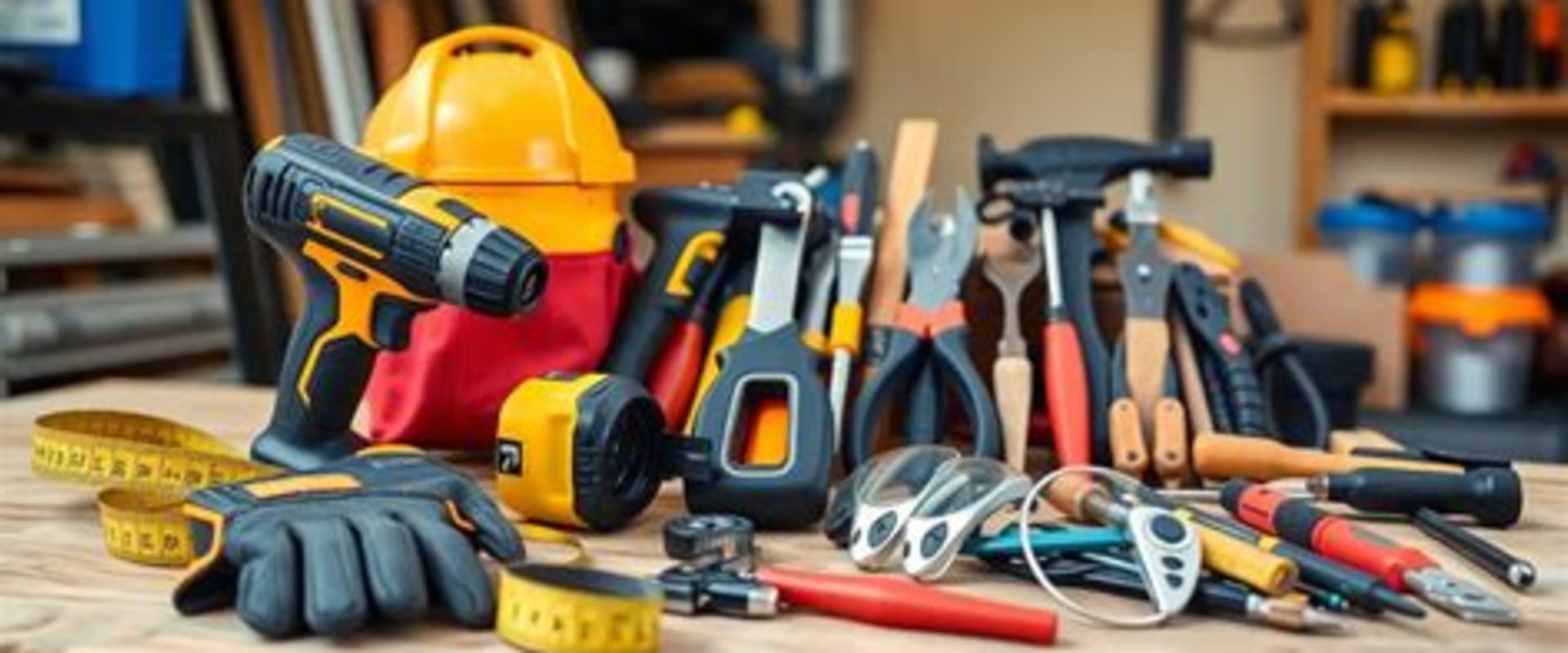
When it comes to building repair, having the right tools is essential for ensuring that any maintenance or restoration work is carried out effectively and safely. Whether you are a seasoned contractor or a DIY enthusiast, understanding the various building repair tools available can make a significant difference in the quality of your work. From simple hand tools to advanced power equipment, each tool serves a specific purpose that contributes to the overall integrity of a structure. In the realm of building repair, the importance of using appropriate tools cannot be overstated. The right tools not only enhance efficiency but also minimize the risk of damage to the building materials and ensure that repairs are completed to a high standard.
For instance, using a quality level can help ensure that surfaces are even, while a reliable saw can make precise cuts that are crucial for fitting materials together seamlessly. This section will delve into the essential tools needed for building repair, highlighting their functions and benefits. By equipping yourself with this knowledge, you will be better prepared to tackle any repair project, whether it involves fixing a leaky roof, patching up drywall, or restoring an old wooden structure. Understanding these tools will empower you to maintain and restore buildings effectively, preserving their value and extending their lifespan.
Basic Hand Tools for Building Repair
When it comes to building repair, having the right hand tools is essential for ensuring that repairs are done efficiently and effectively. Below are some of the most important basic tools that every repair enthusiast should have in their toolkit.- Hammer: A versatile tool, the hammer is crucial for driving nails into wood, removing nails, and even for light demolition work.
A claw hammer is particularly useful due to its dual functionality.
- Screwdrivers: These come in various types, including flathead and Phillips. A good set of screwdrivers allows you to tighten or loosen screws, making them indispensable for assembling furniture or fixing appliances.
- Pliers: Pliers are essential for gripping, twisting, and cutting wires or small objects. Needle-nose pliers are especially useful for reaching into tight spaces.
- Utility Knife: This tool is perfect for cutting through various materials such as cardboard, drywall, and even rope. A sharp utility knife can make precise cuts that are necessary during repairs.
- Tape Measure: Accurate measurements are critical in any repair job.
A tape measure helps ensure that materials fit correctly and that your work is precise.
- Level: To ensure that shelves, pictures, or any other installations are straight, a level is a must-have tool. It helps avoid the frustration of crooked installations.
Power Tools: Efficiency in Building Repair
When it comes to building repair, having the right tools can significantly enhance efficiency and effectiveness. Among these, power tools stand out for their ability to perform tasks quickly and with precision.Here are some essential power tools that every building repair professional should consider:
- Drills: A versatile tool, drills are essential for making holes in various materials, from wood to metal. Cordless drills offer mobility and ease of use, making them ideal for tight spaces.
- Saws: Whether you need to cut through wood, metal, or drywall, power saws like circular saws and reciprocating saws provide speed and accuracy. They are particularly useful for larger projects where hand saws would be inefficient.
- Sanders: For finishing touches on surfaces, sanders help achieve a smooth finish. Orbital sanders are great for large areas, while detail sanders can reach into corners and tight spots.
However, safety should always be a priority. Here are some tips for safe usage:
- Always wear appropriate personal protective equipment (PPE), such as goggles and gloves.
- Read the manufacturer’s instructions before operating any tool.
- Keep your workspace clean and free of hazards to prevent accidents.
Specialized Tools for Specific Repairs
When it comes to building repair, having the right tools can make all the difference, especially for specialized tasks. Different types of repairs require unique tools designed to handle specific challenges effectively.Below are some essential specialized tools that are invaluable for various repair jobs.
Plumbing Tools
- Pipe Wrench: This tool is crucial for gripping and turning pipes, making it indispensable for plumbing repairs.
- Plumber's Snake: Used to clear clogs in drains, this flexible tool can navigate through pipes to remove blockages.
- Pipe Cutter: For precise cuts on pipes, a pipe cutter ensures clean edges, which is vital for proper fittings.
Electrical Tools
- Multimeter: Essential for diagnosing electrical issues, a multimeter measures voltage, current, and resistance.
- Wire Strippers: These are used to remove insulation from electrical wires, allowing for safe connections.
- Screwdrivers: A set of insulated screwdrivers is necessary for safely working with electrical components.
Carpentry Tools
- Circular Saw: Ideal for making straight cuts in wood, a circular saw is a must-have for any carpentry repair.
- Chisels: Used for shaping wood and making precise cuts, chisels are essential for detailed carpentry work.
- Level: Ensuring that surfaces are even is critical in building repair; a level helps achieve that accuracy.
Safety Equipment: Protecting Yourself During Repairs
When it comes to building repair, ensuring your safety should be the top priority. Engaging in repair work can expose you to various hazards, making the use of appropriate safety equipment essential.Here are some key items that every repair worker should consider:
- Gloves: Protective gloves are crucial for safeguarding your hands from sharp objects, chemicals, and other potential injuries. Depending on the type of repair, you may need different types of gloves, such as cut-resistant or chemical-resistant gloves.
- Goggles: Eye protection is vital when working with power tools or handling hazardous materials. Safety goggles can prevent dust, debris, and harmful substances from causing eye injuries.
- Respirators or Masks: In situations where you might be exposed to dust, fumes, or other airborne particles, wearing a respirator or mask is necessary. This equipment helps filter out harmful substances and ensures that you breathe clean air while working.
- Hard Hats: If your building repair involves overhead work or areas where falling objects are a risk, a hard hat is essential.
It protects your head from potential injuries caused by falling debris.
- Steel-Toed Boots: Foot protection is equally important. Steel-toed boots can shield your feet from heavy objects and provide better traction on slippery surfaces.
Maintenance Tools: Keeping Your Equipment in Shape
Maintaining your tools is crucial for effective building repair.Proper care not only extends the lifespan of your equipment but also ensures that they perform optimally when you need them most. Here are some essential practices to keep your maintenance tools in top shape:
- Regular Cleaning: After each use, clean your tools to remove dirt, dust, and debris. For hand tools, a simple wipe with a damp cloth can suffice, while power tools may require more thorough cleaning. Use a soft brush to dislodge any particles stuck in crevices.
- Rust Prevention: Metal tools are prone to rust, especially if exposed to moisture.
Apply a light coat of oil to metal surfaces after cleaning to create a protective barrier against corrosion.
- Sharpening Edges: Tools like chisels and saws need sharp edges for effective cutting. Regularly sharpen these tools using appropriate sharpening stones or files to maintain their performance.
- Storage Solutions: Store your tools in a dry, organized space. Use toolboxes or pegboards to keep them off the ground and prevent accidental damage. Ensure that power tools are stored with their batteries removed to avoid drainage.
- Routine Inspections: Periodically inspect your tools for any signs of wear or damage.
Look for cracks, loose parts, or frayed cords on power tools. Addressing these issues early can prevent further damage and ensure safety during use.
FAQs About Building Repair Tools
When it comes to building repair, having the right tools is essential for efficiency and effectiveness. Here are some frequently asked questions regarding these tools:What are the most essential tools for building repair?
The most essential tools for building repair typically include:- Hammer: A versatile tool for driving nails and removing them.
- Screwdriver set: Necessary for tightening or loosening screws in various materials.
- Pliers: Useful for gripping, twisting, and cutting wires or small objects.
- Measuring tape: Ensures accurate measurements for repairs and installations.
- Utility knife: Ideal for cutting through various materials like drywall or insulation.
- Level: Ensures that surfaces are even and straight during repairs.
How do I choose the right tools for my repair project?
Selecting the right tools depends on the specific tasks you need to accomplish.Consider the following:
- Project type: Identify whether you are doing minor repairs or major renovations.
- Material: Different materials may require specialized tools (e.g., masonry tools for brickwork).
- Your skill level: Choose tools that match your experience; beginners may prefer user-friendly options.
Are power tools necessary for building repair?
While not always necessary, power tools can significantly speed up the repair process. Common power tools include:- Drills: For making holes and driving screws quickly.
- Saws: Essential for cutting wood, metal, or other materials efficiently.
- Sanders: Useful for smoothing surfaces before painting or finishing.
How do I maintain my building repair tools?
Proper maintenance extends the life of your tools. Here are some tips:- Clean after use: Remove dirt and debris to prevent rust and damage.
- Store properly: Keep tools in a dry place, ideally in a toolbox or on a pegboard.
- Regular inspections: Check for wear and tear, replacing parts as needed to ensure safety and functionality.
Conclusion: The Importance of Having the Right Tools for Building Repair
In conclusion, having the right tools for building repair is not just a matter of convenience; it is essential for achieving high-quality results and ensuring safety during the repair process. Throughout this article, we have explored various tools that are indispensable for effective building maintenance and repair, from basic hand tools to specialized equipment.Investing in quality tools can significantly impact the efficiency and effectiveness of your repair projects.For instance, using a reliable power drill can save time and effort compared to manual alternatives, while a sturdy ladder ensures safety when working at heights. Additionally, having the right safety gear, such as gloves and goggles, protects you from potential hazards associated with building repairs.Moreover, understanding the specific needs of your repair tasks will guide you in selecting the appropriate tools. Whether you are patching up drywall, fixing plumbing issues, or conducting exterior repairs, each task requires a tailored set of tools to achieve optimal results.Ultimately, the investment in quality tools not only enhances your ability to perform repairs effectively but also contributes to the longevity of your building. By prioritizing the acquisition of essential tools and maintaining them properly, you can ensure that your building remains in excellent condition for years to come.As you embark on your next building repair project, remember that the right tools are your best allies.
Take the time to assess your toolkit and consider upgrading or adding to it as necessary. Your efforts will pay off in both the short and long term.