When embarking on a building repair project, understanding the timeline is essential for both homeowners and contractors. The duration of these projects can vary significantly based on several key factors. From the type of repair needed to the size of the building, each element plays a crucial role in determining how long the work will take. For instance, minor repairs such as patching drywall or fixing leaky faucets may only require a few hours, while extensive renovations or structural repairs can stretch over weeks or even months. One of the primary factors influencing repair time is the complexity of the work involved.
Simple cosmetic fixes are generally quicker to complete than more intricate tasks that require specialized skills or extensive planning. Additionally, the size of the building itself cannot be overlooked; larger structures often necessitate more labor and resources, which can extend the project timeline. Furthermore, the availability of materials can also impact how quickly repairs can be made. Delays in sourcing necessary supplies can lead to extended wait times, pushing back completion dates. Moreover, external factors such as weather conditions and local regulations can further complicate timelines.
For example, inclement weather may halt outdoor repairs, while obtaining permits for significant renovations can introduce additional delays. Understanding these variables is crucial for setting realistic expectations and ensuring that all parties involved are aligned on the projected timeline for a building repair project.
Common Types of Building Repairs and Their Timelines
Understanding the timelines associated with various types of building repairs is crucial for homeowners and property managers alike. Different repairs come with their own complexities and durations, which can significantly impact planning and budgeting.Roof Repairs
Roof repairs are among the most common types of building repairs. Depending on the extent of the damage, these repairs can take anywhere from a few hours to several days.Minor issues, such as replacing a few shingles, may only require a day, while more extensive repairs, like fixing leaks or replacing sections of the roof, can take up to a week.
Plumbing Issues
Plumbing problems can range from simple leaks to major pipe replacements. A minor leak might be fixed in under an hour, while more serious issues, such as a burst pipe or sewer line repair, could take one to three days. It’s essential to address plumbing issues promptly to prevent further damage.Structural Repairs
Structural repairs are often the most time-consuming due to their complexity. These may involve foundation work or significant alterations to load-bearing walls.Depending on the severity of the issue, structural repairs can take anywhere from a few days to several weeks. Homeowners should consult with professionals to get accurate estimates based on their specific situations.
Electrical Repairs
Electrical repairs can vary widely in duration. Simple tasks like replacing outlets or switches may only take an hour or two. However, more complicated jobs, such as rewiring or upgrading electrical panels, can take several days.Always ensure that these repairs are handled by licensed electricians for safety.In summary, while the duration of building repairs can vary significantly based on the type and extent of the damage, having a general understanding of these timelines helps in planning and managing expectations effectively.
The Role of Permits and Regulations in Repair Timelines
When embarking on a building repair project, one of the most critical factors that can influence the timeline is the process of obtaining necessary building permits. These permits are essential for ensuring that all repairs comply with local building codes and regulations, which are designed to maintain safety and structural integrity.Understanding Permit Requirements
- Before starting any repair work, it is crucial to determine which permits are required for your specific project. This can vary significantly based on the type of repair, the location of the building, and local laws.
- Common types of permits include structural, electrical, plumbing, and zoning permits. Each type may have its own set of requirements and timelines.
Impact of Regulations on Repair Timelines
Local regulations can also affect how long it takes to complete a building repair.
For instance:
- Inspection Requirements: Many jurisdictions require inspections at various stages of the repair process. Scheduling these inspections can lead to delays if not planned properly.
- Approval Processes: Some repairs may need additional approvals from local boards or committees, especially in historic districts or areas with strict zoning laws.
Permit Timelines
The timeline for obtaining permits can vary widely:
- Simple Repairs: For minor repairs, such as replacing windows or roofing, permits may be issued quickly, sometimes within a few days.
- Complex Projects: More extensive repairs could take weeks or even months to secure all necessary approvals and permits.
How to Estimate Your Building Repair Timeline
Estimating the timeline for a building repair project can be a complex task, but with the right approach, homeowners and property managers can gain a clearer understanding of what to expect. Here are some steps to help you effectively estimate your repair time.Assess the Damage
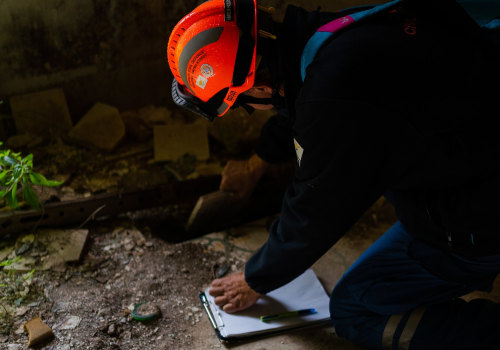
The first step in estimating your building repair timeline is to thoroughly assess the damage.This involves:
- Visual Inspection: Look for visible signs of damage such as cracks, leaks, or structural issues.
- Documenting Findings: Take photos and notes to keep track of the extent of the damage.
- Identifying Underlying Issues: Sometimes, visible damage can be a symptom of deeper problems that need addressing.
Consult with Professionals
Once you have assessed the damage, it’s crucial to consult with professionals who can provide expert insights. Consider the following:- Hire a Contractor: A qualified contractor can give you a more accurate estimate based on their experience with similar projects.
- Get Multiple Quotes: Don’t settle for the first estimate; obtaining multiple quotes can help you gauge a realistic timeline.
- Ask About Previous Projects: Inquire about how long similar repairs took to complete.
Create a Project Timeline
After gathering all necessary information, you can start creating a project timeline. Here are some tips:- Break Down Tasks: Divide the project into smaller tasks and estimate how long each will take.
- Factor in Delays: Always account for potential delays due to weather, material availability, or unforeseen complications.
- Set Milestones: Establish key milestones to track progress and adjust timelines as needed.
Common Delays in Building Repair Projects
When embarking on a building repair project, it’s crucial to anticipate potential delays that can extend the timeline significantly. Understanding these common issues can help you plan more effectively and mitigate risks.- Weather Conditions: Inclement weather is one of the most unpredictable factors affecting building repairs.
Rain, snow, or extreme temperatures can halt work, especially for exterior projects. For instance, roofing repairs cannot proceed during heavy rain, which can lead to extended timelines.
- Contractor Availability: The availability of skilled contractors can also cause delays. If your chosen contractor is juggling multiple projects or faces staffing shortages, your repair work may be pushed back. It’s advisable to discuss timelines upfront and consider having backup options.
- Supply Chain Issues: The construction industry often faces supply chain disruptions that can delay the delivery of essential materials.
Whether it’s lumber, fixtures, or specialized equipment, delays in procurement can stall progress on your building repair.
- Permitting and Inspections: Navigating the permitting process can be time-consuming. Delays in obtaining necessary permits or scheduling inspections can hold up your project. It’s wise to factor in these timelines when planning your repairs.
- Unexpected Structural Issues: During repairs, unforeseen problems such as mold, water damage, or structural weaknesses may be discovered. Addressing these issues often requires additional time and resources, which can extend the overall project duration.
Frequently Asked Questions About Building Repair Timelines
When it comes to building repair projects, many homeowners and property managers have questions about the timeline.Here are some of the most frequently asked questions regarding how long these repairs typically take.
What factors influence the duration of a building repair?
The time it takes to complete a building repair can vary significantly based on several factors, including:- Type of Repair: Minor repairs, such as patching drywall or fixing leaky faucets, can often be completed in a day, while major structural repairs may take weeks or even months.
- Extent of Damage: The more extensive the damage, the longer the repair will take. For example, water damage may require extensive drying and mold remediation before repairs can begin.
- Availability of Materials: Delays in obtaining necessary materials can extend the timeline. It's essential to plan ahead and ensure that all materials are on hand before starting work.
- Weather Conditions: For outdoor repairs, inclement weather can halt progress. Seasonal considerations should be taken into account when scheduling repairs.
- Contractor Availability: The schedule of your chosen contractor can also impact how quickly repairs are completed.
It's advisable to book a contractor well in advance.
How long do typical building repairs take?
The duration of building repair projects can vary widely:- Minor Repairs: 1-3 days
- Moderate Repairs: 1-2 weeks
- Major Repairs: 2 weeks to several months
Can I expedite the repair process?
If you're looking to speed up your building repair, consider the following tips:- Plan Ahead: Have a clear plan and budget before starting the project.
- Select a Reputable Contractor: Choose a contractor known for timely work and good communication.
- Avoid Changes Mid-Project: Changes can lead to delays; try to finalize all decisions beforehand.
Conclusion: Key Takeaways on Building Repair Timelines
In conclusion, understanding the timeline for building repair projects is crucial for homeowners and property managers alike. The duration of these projects can vary significantly based on several factors, including the extent of the damage, the type of repairs needed, and the availability of materials and labor.Here are some key takeaways regarding building repair timelines:- Assessment is Key: Before any repairs can begin, a thorough assessment of the damage is essential. This initial step can take anywhere from a few days to a week, depending on the complexity of the issues.
- Planning and Permits: Securing necessary permits and planning the repair work can add additional time to the project.
This phase can range from a week to several months, particularly for larger projects.
- Type of Repairs: Minor repairs, such as patching drywall or fixing leaks, may only take a few days. In contrast, major renovations or structural repairs could extend over several weeks or even months.
- Weather and External Factors: Unforeseen circumstances like bad weather or supply chain delays can also impact timelines. It's important to factor in these variables when estimating completion dates.