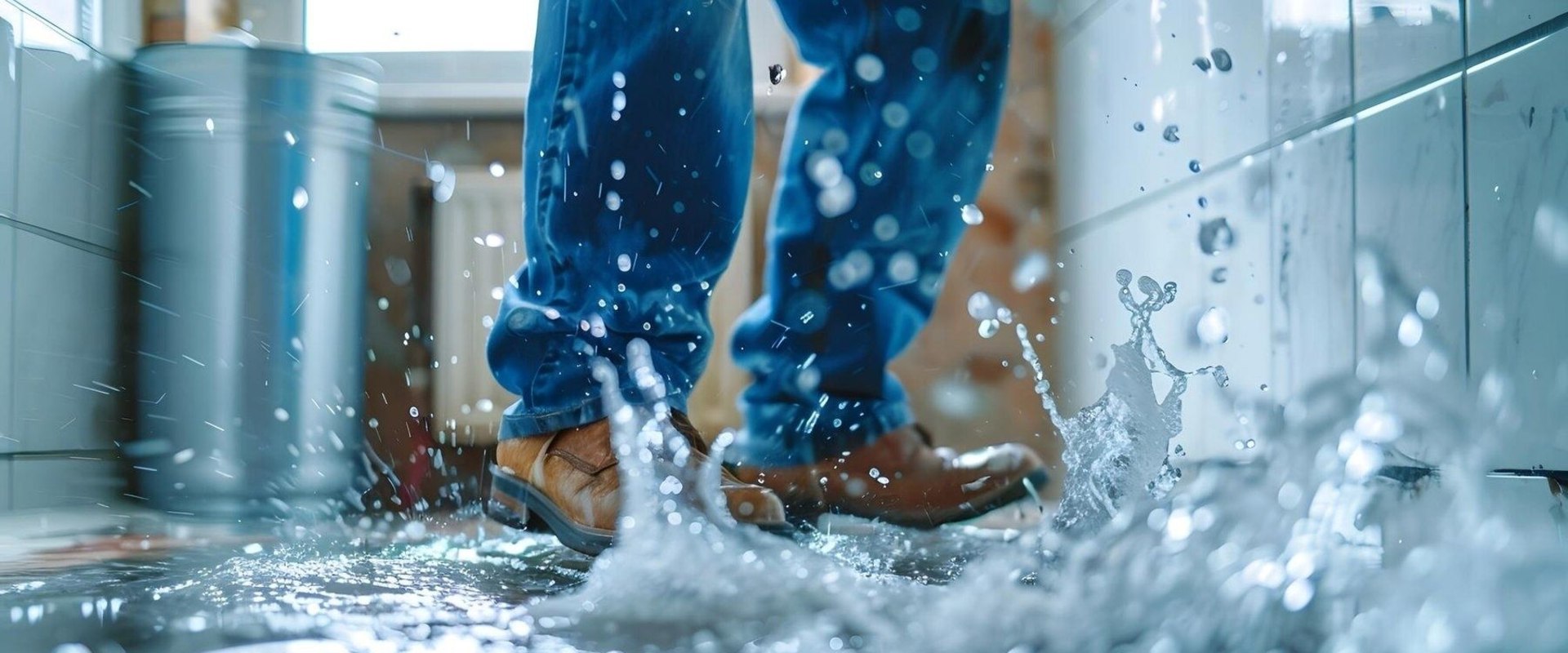
Water damage is a pervasive issue that can significantly affect the integrity and longevity of buildings. It occurs when excess moisture infiltrates a structure, leading to a range of problems from mold growth to structural deterioration. Understanding the impact of water damage is crucial for property owners, as it can result in costly repairs and extensive downtime. The financial implications of neglecting water damage can be staggering, with repair costs often escalating into thousands of dollars if not addressed promptly. Common causes of water damage include heavy rainfall, flooding, plumbing leaks, and even poor drainage systems.
These factors can compromise the building's foundation, walls, and roofing, leading to a cascade of issues that may require extensive building repair. Moreover, the presence of moisture can create an ideal environment for mold and mildew, which not only damages materials but also poses health risks to occupants. To mitigate these risks, it is essential to implement effective prevention strategies. Regular inspections and maintenance can help identify potential vulnerabilities before they escalate into major problems. By understanding the nature of water damage and its consequences, property owners can take proactive steps to protect their investments and ensure the safety and comfort of their buildings.
Regular Maintenance and Inspections
Regular maintenance and inspections are crucial in preventing water damage in buildings.By identifying potential issues early, property owners can avoid costly repairs and ensure the longevity of their structures. A proactive approach to building maintenance not only protects the property but also enhances its value.
Importance of Routine Inspections
Routine inspections allow for the early detection of leaks, mold growth, and other signs of water damage. These inspections should be conducted at least twice a year, focusing on key areas such as:
- Roofs: Check for missing shingles, cracks, or debris that could trap moisture.
- Gutters and Downspouts: Ensure they are clear of blockages to facilitate proper drainage.
- Basements and Crawl Spaces: Look for signs of dampness or water pooling.
- Pipes and Plumbing Fixtures: Inspect for leaks or corrosion that could lead to water damage.
Creating a Maintenance Checklist
A comprehensive maintenance checklist can streamline the inspection process. Here are some essential items to include:
- Inspect roofing materials and flashing.
- Clean gutters and downspouts.
- Examine windows and doors for proper sealing.
- Check appliances like washing machines and refrigerators for leaks.
- Test sump pumps and drainage systems.
This proactive strategy not only saves money in the long run but also ensures a safe and comfortable environment for occupants.
Proper Drainage Systems
Effective drainage systems are crucial for maintaining the integrity of buildings and preventing costly repairs associated with water damage. Properly designed and installed drainage solutions can significantly reduce the risk of water accumulation around structures, thereby safeguarding them from potential flooding and moisture-related issues.One of the primary components of a successful drainage system is the installation of gutters and downspouts. These elements work together to channel rainwater away from the roof and foundation of a building. Regular maintenance, such as cleaning out debris from gutters, ensures that water flows freely and does not overflow, which can lead to pooling around the base of the building.In addition to gutters, French drains are an effective solution for managing groundwater.These trenches filled with gravel and perforated pipes redirect excess water away from vulnerable areas. Installing French drains in strategic locations can help prevent water from seeping into basements or crawl spaces, which are often prone to flooding.
- Grading: The landscape surrounding a building should be graded to slope away from the foundation. This simple yet effective technique helps direct rainwater away from the structure.
- Drainage Swales: These shallow ditches can be integrated into landscaping to manage surface runoff effectively. They help slow down water flow and promote absorption into the ground.
- Permeable Pavements: Utilizing permeable materials for driveways and walkways allows rainwater to infiltrate the ground rather than run off, reducing surface water accumulation.
By investing in proper water management, property owners can avoid expensive repairs and ensure their buildings remain safe and dry for years to come.
Sealing and Waterproofing Techniques
To effectively protect buildings from water damage, implementing sealing and waterproofing techniques is essential. These methods not only enhance the durability of structures but also significantly reduce the risk of costly repairs associated with water intrusion.1.Exterior Waterproofing
- Membrane Systems: Applying a waterproof membrane on the exterior walls creates a barrier that prevents water from penetrating the building. These membranes can be made from materials like rubber or PVC.
- Drainage Systems: Installing proper drainage systems, such as French drains, helps redirect water away from the foundation, minimizing the risk of water pooling around the building.
2.Interior Sealing
- Sealants: Using high-quality sealants on cracks and joints in walls and floors can prevent moisture from seeping in. Look for sealants specifically designed for waterproofing.
- Water-Resistant Paint: Applying water-resistant paint to interior walls can provide an additional layer of protection against moisture, especially in areas prone to humidity.
3.Foundation Protection
- Foundation Coatings: Coating the foundation with waterproof materials can help shield it from groundwater and surface water.
- Sump Pumps: Installing sump pumps in basements or crawl spaces can effectively remove excess water, preventing flooding and subsequent damage.
4.Roof and Gutter Maintenance
- Regular Inspections: Conducting regular inspections of roofs and gutters ensures that any potential leaks or blockages are addressed promptly.
- Gutter Guards: Installing gutter guards can prevent debris accumulation, ensuring that rainwater flows freely away from the building.
Landscaping Considerations for Water Damage Prevention
Effective landscaping plays a crucial role in preventing water damage to buildings.By strategically designing your outdoor space, you can direct rainwater away from your foundation and minimize the risk of costly repairs.
Landscaping for Drainage
- Grading: Ensure that the ground slopes away from your building. A slope of at least 6 inches over the first 10 feet is recommended to facilitate proper drainage.
- Swales: Create shallow, vegetated channels that can help redirect water runoff. Swales can be particularly effective in areas with heavy rainfall.
- French Drains: Install French drains to collect and redirect water away from your property. These systems consist of perforated pipes buried in gravel that channel excess water.
Landscaping Tips to Prevent Water Pooling
- Plant Selection: Choose native plants that require less water and are better adapted to local conditions.
This reduces the need for irrigation and minimizes excess water around your building.
- Mulching: Use mulch around plants to absorb moisture and prevent soil erosion. This helps maintain soil structure and reduces runoff.
- Avoid Hardscaping: Limit the use of impermeable surfaces like concrete, which can lead to increased runoff. Instead, consider permeable pavers or gravel paths that allow water to seep through.
Building Landscaping Strategies
- Rain Gardens: Design rain gardens that capture and filter stormwater. These gardens are typically planted with native species and can significantly reduce runoff.
- Downspout Extensions: Extend downspouts at least 5-10 feet away from the foundation to prevent water from pooling near the building.
- Irrigation Systems: Install smart irrigation systems that adjust watering schedules based on weather conditions, reducing excess moisture around your property.
Choosing the Right Building Materials
When it comes to building repair, one of the most effective strategies for preventing water damage is the careful selection of building materials.Choosing materials that are resistant to moisture can significantly reduce the risk of water-related issues in your structure.
Water-Resistant Materials
- Concrete: Known for its durability, concrete can be treated with sealants to enhance its water resistance, making it an excellent choice for foundations and basements.
- Fiber Cement Siding: This material is not only resistant to rot and pests but also withstands moisture better than traditional wood siding.
- Vinyl Flooring: Unlike wood or laminate, vinyl flooring is impervious to water, making it ideal for areas prone to spills or flooding.
- Metal Roofing: This option is highly durable and can last for decades, providing excellent protection against rain and snow.
- Stone or Brick: These materials are naturally resistant to moisture and provide a robust barrier against water infiltration.
Construction Materials for Prevention
Incorporating advanced construction techniques with your material choices can further enhance water resistance:
- Waterproof Membranes: Installing these membranes in critical areas such as basements and roofs can prevent water from penetrating the building envelope.
- Drainage Systems: Proper drainage systems made from durable materials can redirect water away from the foundation, minimizing the risk of damage.
Emergency Preparedness and Response Plans
Having a well-structured emergency response plan is crucial for minimizing the impact of water damage in buildings. Such a plan not only prepares your team for immediate action but also helps in mitigating long-term damage and costly repairs.Disaster preparedness
begins with understanding the specific risks associated with your building.Conduct a thorough risk assessment to identify potential sources of water damage, such as:
- Leaking roofs
- Faulty plumbing systems
- Flood-prone areas
- Malfunctioning appliances
- Emergency Contacts: List all relevant contacts, including local emergency services, plumbing professionals, and restoration companies.
- Evacuation Routes: Clearly outline safe evacuation routes in case of severe flooding or other emergencies.
- Response Procedures: Detail step-by-step procedures for responding to water damage incidents, including shutting off water supply and notifying key personnel.
- Training and Drills: Regularly train staff on the emergency response plan and conduct drills to ensure everyone knows their roles during an incident.
Water damage response
should be swift and efficient. When an incident occurs, activate your emergency response plan immediately.Quick action can significantly reduce the extent of the damage and the associated repair costs.By prioritizing emergency preparedness, building owners can protect their properties from water damage and ensure that they are ready to respond effectively when incidents occur.
FAQs About Water Damage Prevention in Buildings
Water damage can be a significant concern for building owners, leading to costly repairs and extensive renovations. Here are some frequently asked questions regarding water damage prevention:What are the most common causes of water damage in buildings?
Water damage can stem from various sources, including:- Leaky roofs: Damaged shingles or flashing can allow water to seep in.
- Pipes and plumbing issues: Burst pipes or faulty plumbing can lead to significant leaks.
- Foundation problems: Poor drainage or cracks in the foundation can cause water to enter the building.
- Weather-related events: Heavy rain, snow, or flooding can overwhelm drainage systems.
How can I prevent water damage in my building?
Implementing preventive measures is crucial for safeguarding your property. Consider the following strategies:- Regular inspections: Conduct routine checks of your roof, plumbing, and foundation to identify potential issues early.
- Maintain gutters and downspouts: Ensure they are clear of debris to facilitate proper water flow away from the building.
- Install sump pumps: These devices can help manage groundwater levels and prevent flooding in basements.
- Seal windows and doors: Use weather stripping and caulk to prevent leaks during heavy rain.
Are there any myths about water damage prevention?
Yes, several misconceptions exist regarding water damage:- Myth 1: Water damage only occurs during heavy storms. This is false; even minor leaks can lead to significant damage over time.
- Myth 2: New buildings are immune to water damage.
No building is completely safe; regular maintenance is essential.
Conclusion: Key Takeaways for Preventing Water Damage in Buildings
In conclusion, preventing water damage in buildings is crucial for maintaining structural integrity and avoiding costly repairs. By implementing proactive measures, property owners can significantly reduce the risk of water-related issues. Here are some key takeaways to consider:- Regular Inspections: Conduct routine inspections of roofs, gutters, and plumbing systems to identify potential leaks or weaknesses before they escalate.
- Proper Drainage: Ensure that the landscape around the building directs water away from the foundation. This can be achieved through grading and installing drainage systems.
- Seal Vulnerable Areas: Use high-quality sealants on windows, doors, and other openings to prevent moisture intrusion.
- Maintain HVAC Systems: Regularly service heating, ventilation, and air conditioning systems to prevent condensation and leaks that can lead to water damage.
- Install Water Alarms: Consider installing water leak detection systems that alert you to leaks before they cause significant damage.
Taking these steps will ensure that your building remains a safe and secure environment for years to come.