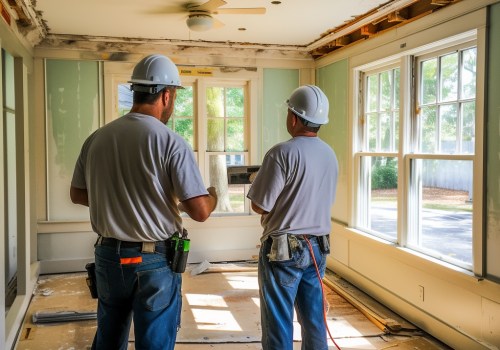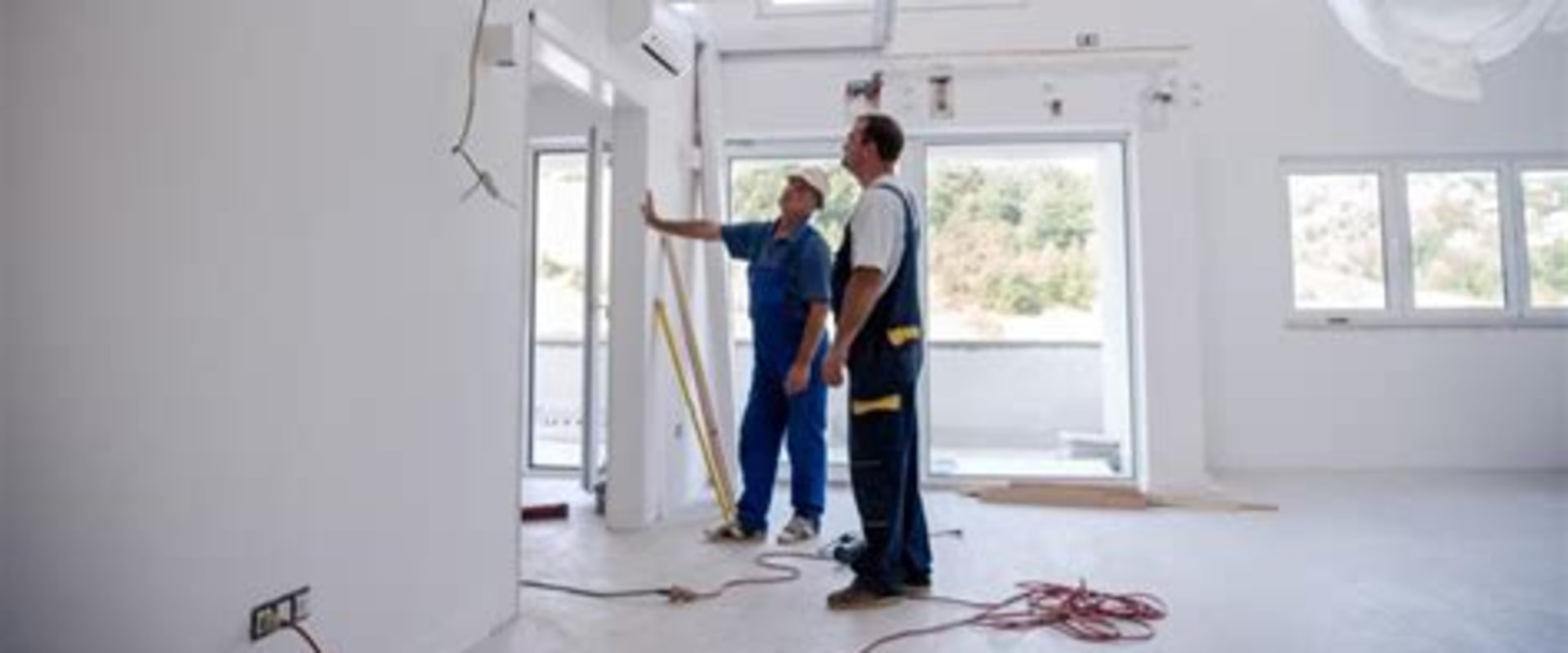
Building repairs are a crucial aspect of property management that often goes overlooked until significant issues arise. Regular maintenance not only ensures the safety of occupants but also preserves the aesthetic appeal and overall value of the property. Neglecting these essential repairs can lead to more extensive damage, resulting in costly renovations and potential safety hazards. Understanding the importance of timely building repairs is vital for any property owner or manager. One of the primary reasons for conducting regular building repairs is to maintain a safe environment.
Over time, wear and tear can compromise structural integrity, leading to dangerous situations such as leaks, mold growth, or even structural failures. By prioritizing maintenance, property owners can mitigate these risks and provide a secure space for tenants and visitors alike. Additionally, regular building repairs contribute significantly to the long-term value of a property. A well-maintained building not only attracts potential buyers or renters but also commands higher market prices. Investing in routine maintenance can save money in the long run by preventing minor issues from escalating into major problems that require extensive repairs.
Therefore, understanding the necessity of regular building repairs is essential for anyone looking to protect their investment and ensure a safe, appealing environment.
Factors Influencing Repair Frequency
When considering how often building repairs should be conducted, several key factors come into play. Understanding these factors can help property owners and managers make informed decisions about maintenance schedules and budgeting for repairs.- Building Age: Older buildings typically require more frequent repairs due to wear and tear over time. Structural components may degrade, necessitating regular inspections and maintenance to ensure safety and functionality.
- Location: The geographical location of a building significantly influences its repair needs. Buildings in areas prone to extreme weather conditions, such as heavy rainfall, snow, or high winds, may experience more frequent damage, requiring timely repairs.
- Usage: The purpose of the building also affects repair frequency.
Commercial buildings that experience high foot traffic may require more regular maintenance compared to residential properties. Additionally, specialized facilities like hospitals or laboratories may have unique repair needs based on their operational requirements.
- Environmental Conditions: Factors such as humidity, temperature fluctuations, and exposure to pollutants can accelerate the deterioration of building materials. For instance, buildings located near coastal areas may face corrosion from saltwater, necessitating more frequent repairs.
- Maintenance Practices: Regular maintenance can significantly reduce the need for extensive repairs. Properties that undergo routine inspections and proactive upkeep are less likely to encounter major issues that require immediate attention.
By assessing these factors, property owners can develop a tailored repair schedule that ensures the longevity and safety of their buildings.
Common Types of Building Repairs and Their Recommended Frequencies
Understanding the common types of building repairs and their recommended frequencies is essential for maintaining the integrity and safety of any structure. Regular maintenance not only prolongs the lifespan of a building but also prevents costly repairs in the future.Roofing Repairs
The roof is one of the most critical components of a building. It is recommended to inspect your roof at least twice a year, ideally in the spring and fall. Look for signs of wear, such as missing shingles or leaks.Minor repairs should be addressed immediately, while major repairs or replacements may be needed every 15-30 years, depending on the roofing material.
Plumbing Repairs
Plumbing issues can lead to significant damage if not addressed promptly. Regular inspections should occur annually, focusing on pipes, fixtures, and water heaters. Common repairs include fixing leaks, which should be done as soon as they are detected, and replacing water heaters every 10-15 years.Electrical System Maintenance
The electrical system is vital for safety and functionality. It is advisable to have a professional inspection every 3-5 years.Look for signs of trouble such as flickering lights or tripped breakers, which may indicate that repairs are needed sooner. Outdated wiring should be replaced every 30-40 years.
Structural Repairs
Structural issues can compromise the safety of a building. Regular assessments should be conducted every 5 years, focusing on foundations, walls, and support beams. Signs of structural damage include cracks in walls or uneven floors, which should be addressed immediately to prevent further deterioration. By adhering to these recommended frequencies for building repairs, property owners can ensure their buildings remain safe, functional, and valuable over time.Seasonal Considerations for Building Repairs
Understanding the impact of seasonal changes on building repairs is crucial for maintaining the integrity and safety of your property.Each season presents unique challenges and opportunities for maintenance, making it essential to plan repairs accordingly.
Spring: Time for Inspection and Preparation
As the weather warms up, spring is an ideal time to conduct thorough inspections. Look for:- Roof damage: Check for missing shingles or leaks that may have developed during winter.
- Gutter cleaning: Ensure gutters are free from debris to prevent water damage.
- Exterior painting: Touch up any peeling paint to protect against moisture.
Summer: Focus on Exterior Repairs
Summer offers the best weather conditions for outdoor repairs. Consider:- Siding repairs: Replace damaged or rotting siding to enhance energy efficiency.
- Window sealing: Check and replace seals to improve insulation and reduce energy costs.
- Landscaping maintenance: Trim trees and shrubs that may pose a risk to the building.
Fall: Prepare for Winter
As temperatures drop, it’s vital to prepare your building for winter. Key tasks include:- Heating system check: Schedule a professional inspection of your heating system to ensure it’s functioning efficiently.
- Insulation upgrades: Add insulation in attics and basements to prevent heat loss.
- Chimney cleaning: If applicable, ensure chimneys are clean and safe for use.
Winter: Monitor and Address Emergencies
While winter is not ideal for extensive repairs, it’s important to monitor your building closely.Be prepared to:
- Address leaks immediately: Snow and ice can lead to leaks; act quickly to prevent further damage.
- Clear snow from roofs: Prevent ice dams by removing heavy snow accumulation.
- Inspect heating systems regularly: Ensure they are functioning properly during the cold months.
Signs That Indicate Repairs Are Needed Soon
Identifying the signs of needed building repairs is crucial for maintaining the integrity and safety of your property. Ignoring these indicators can lead to more extensive damage and costly repairs down the line. Here are some key signs that suggest your building requires immediate attention:- Cracks in Walls or Foundation: Visible cracks, especially those that are widening or appear to be shifting, can indicate structural issues. Pay close attention to cracks that are horizontal or diagonal, as they may signal serious problems.
- Water Damage: Stains on walls or ceilings, mold growth, or peeling paint can all be signs of water intrusion.
This could stem from roof leaks, plumbing issues, or poor drainage around the foundation.
- Uneven Floors: If you notice that floors are sagging or uneven, it may suggest underlying structural issues. This could be due to settling foundations or damaged support beams.
- Deteriorating Roof: Missing shingles, sagging areas, or visible wear and tear on your roof can lead to leaks and further damage if not addressed promptly.
- Electrical Issues: Frequent circuit breaker trips, flickering lights, or outlets that do not work can indicate electrical problems that require immediate repair to prevent fire hazards.
Cost Implications of Delaying Repairs
Delaying building repairs can have significant financial repercussions that extend far beyond the initial cost of the repair itself.When maintenance issues are ignored, they often escalate into larger problems that require more extensive and expensive solutions.For instance, a small leak in the roof may seem manageable at first, but if left unaddressed, it can lead to water damage, mold growth, and structural issues. The cost of repairing a simple leak can range from a few hundred dollars to thousands if it results in extensive damage. This illustrates the financial impact of neglecting maintenance.
Cost of Delayed Building Repairs
- Increased Repair Costs: The longer repairs are postponed, the more complicated and costly they become. What could have been a straightforward fix may require extensive labor and materials later on.
- Decreased Property Value: Properties that show signs of neglect can lose value in the real estate market.
Potential buyers are often deterred by visible maintenance issues, leading to lower offers or prolonged time on the market.
- Higher Utility Bills: Inefficient systems due to lack of maintenance can lead to increased energy consumption. For example, an outdated HVAC system may work harder to maintain temperature, resulting in higher utility costs.
- Legal and Compliance Issues: Failing to address necessary repairs can lead to violations of building codes or safety regulations, which may result in fines or legal action.
DIY vs. Professional Repairs: When to Call an Expert
When it comes to building repairs, homeowners often face the dilemma of whether to tackle the job themselves or hire a professional.Understanding the scope of the repair is crucial in making this decision.
DIY Building Repairs
- Minor cosmetic issues: Tasks like painting, patching drywall, or replacing fixtures can typically be handled by homeowners with some basic tools and skills.
- Simple plumbing fixes: If you have a leaky faucet or a clogged drain, these are often manageable with DIY solutions and readily available repair kits.
- Basic electrical work: Changing light fixtures or outlets can be done safely if you follow proper guidelines and turn off the power supply.
When to Hire a Contractor
- Structural repairs: If you notice cracks in your foundation or walls, it’s essential to consult a structural engineer or contractor to assess the damage.
- Complex plumbing issues: Problems like sewer line repairs or extensive pipe replacements require specialized knowledge and tools that most homeowners do not possess.
- Electrical upgrades: For any major electrical work, such as rewiring or installing new circuits, hiring a licensed electrician is crucial for safety and compliance with local codes.
FAQs About Building Repair Frequency
When it comes to building repair, many property owners have questions about how often repairs should be conducted. Here are some of the most frequently asked questions regarding repair frequency:1.How often should I conduct a building inspection?
Regular inspections are crucial for maintaining the integrity of your building.It is recommended to conduct a thorough inspection at least once a year. However, for older buildings or those in areas prone to severe weather, biannual inspections may be more appropriate.
2.What types of repairs should be prioritized?
- Roof repairs: Inspect your roof at least twice a year and after major storms.
- Plumbing issues: Address leaks and clogs immediately to prevent water damage.
- Electrical systems: Have a professional check your electrical systems every few years.
3.How can I determine if my building needs immediate repairs?
If you notice any of the following signs, it’s time to consider immediate repairs:- Cracks in walls or ceilings: These can indicate structural issues.
- Mold or mildew: This can signal water damage and poor ventilation.
- Unusual noises: Sounds like creaking or popping may suggest underlying problems.
4.Are there seasonal considerations for building repairs?
Yes, certain repairs are best scheduled during specific seasons. For example:- Spring: Ideal for roof inspections and gutter cleaning.
- Summer: Great for exterior painting and landscaping work.
- Fall: Time to prepare heating systems and check insulation.
Conclusion: Establishing a Repair Schedule for Your Building
In conclusion, establishing a regular building repair schedule is essential for maintaining the integrity and safety of your property. Throughout this article, we have discussed the importance of proactive maintenance, the various types of repairs that may be needed, and how often these repairs should be conducted.To summarize:- Regular Inspections: Conducting routine inspections can help identify potential issues before they escalate into costly repairs.
- Seasonal Maintenance: Certain repairs should be scheduled seasonally, such as checking roofs and gutters in the fall and ensuring heating systems are functional before winter.
- Emergency Repairs: While not part of a regular schedule, being prepared for emergency repairs is crucial.
Having a plan in place can minimize damage and disruption.