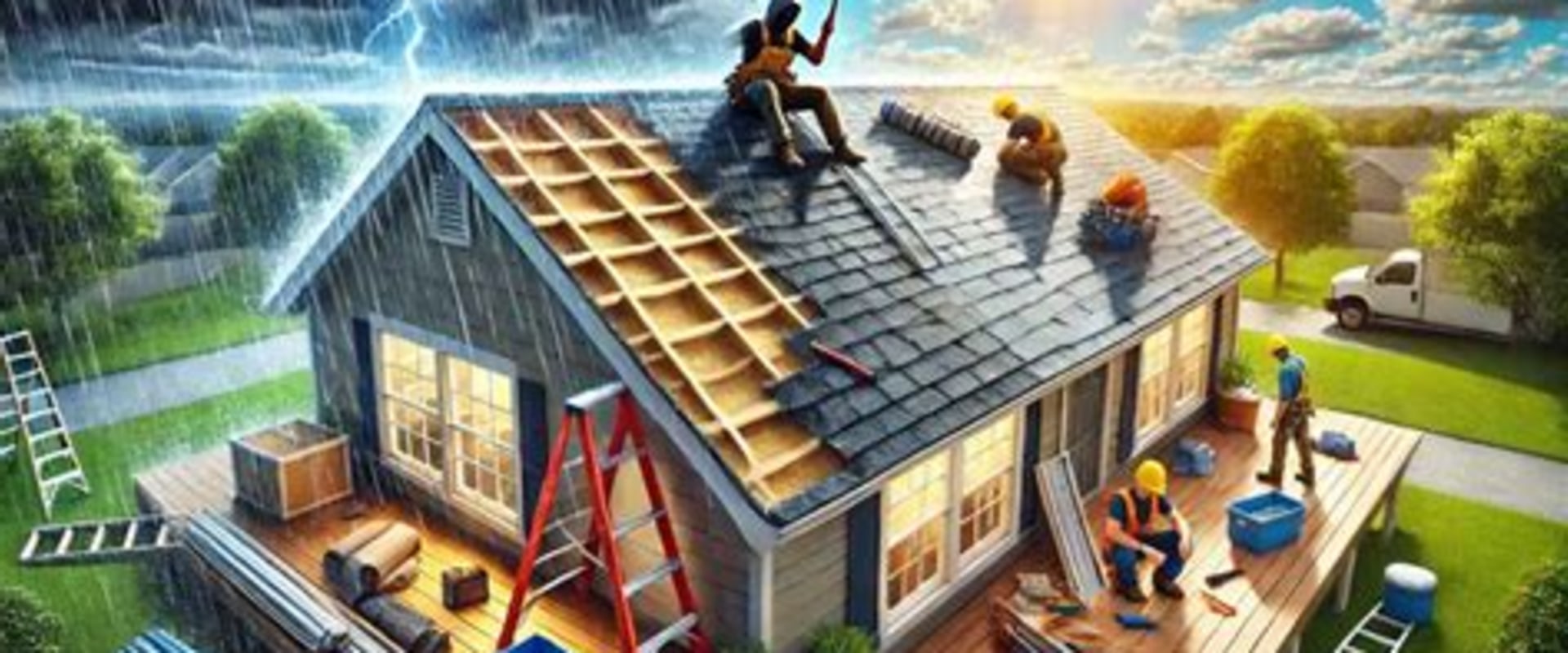
When it comes to building repairs, the influence of weather conditions cannot be overstated. From torrential rain to extreme heat, various elements can significantly impact not only the timing of repairs but also their overall effectiveness. Understanding how different weather patterns interact with construction materials and techniques is crucial for homeowners and contractors alike. For instance, heavy rainfall can delay projects, leading to potential water damage if repairs are not completed promptly. Similarly, freezing temperatures can hinder the curing process of concrete, resulting in weakened structures.
On the other hand, excessive heat can cause materials to expand or warp, complicating the repair process. These factors highlight the importance of planning and scheduling repairs with an awareness of local weather forecasts. Moreover, the impact of weather on repairs extends beyond immediate physical effects. It can also influence labor availability and safety conditions on-site. Workers may face hazardous conditions during storms or extreme temperatures, which can lead to increased costs and project delays.
Therefore, a comprehensive understanding of how weather affects building repair processes is essential for ensuring successful outcomes.
The Role of Temperature in Building Repairs
Temperature plays a crucial role in building repair, influencing both the materials used and the overall timeline of the project. Extreme temperatures, whether hot or cold, can lead to significant challenges that must be addressed to ensure the integrity and longevity of repairs.Effects of Cold Weather on Building Repairs
In cold weather, many materials become less pliable and can be more prone to cracking or breaking. For instance, concrete may not cure properly if the temperature drops below 50°F (10°C), leading to weakened structures. Additionally, adhesives and sealants can lose their effectiveness in low temperatures, which can compromise the quality of repairs.- Delayed Curing: Cold temperatures can extend the curing time for materials like concrete and mortar, pushing back project timelines.
- Increased Risk of Damage: Frozen ground can hinder excavation work, while ice accumulation can pose safety hazards for workers.
Challenges of Hot Weather Repairs
Conversely, high temperatures can also present unique challenges.Materials such as asphalt and roofing membranes may become overly soft, making them difficult to work with. Moreover, rapid evaporation of water from concrete mixes can lead to improper curing and surface cracking.
- Heat Stress: Workers are at risk of heat-related illnesses, which can slow down productivity and increase safety concerns.
- Material Degradation: Prolonged exposure to high temperatures can degrade certain materials, necessitating more frequent replacements.
Impact of Rain and Moisture on Repair Work
Weather conditions, particularly rain and moisture, can significantly impact building repair projects. When rain occurs during or shortly after repair work, it can lead to a variety of complications that not only delay the project but also increase costs due to additional damage. One of the primary concerns with rain is its ability to penetrate building materials.For instance, if walls or roofs are being repaired, moisture can seep into these areas, causing moisture damage. This can lead to issues such as mold growth, wood rot, and deterioration of structural integrity. In some cases, repairs may need to be redone entirely if the materials have been compromised by water. Moreover, wet conditions can hinder the application of certain repair materials. For example, adhesives and sealants often require dry surfaces to bond effectively.
If these materials are applied in the presence of moisture, they may not cure properly, leading to future failures.
Waterproofing Techniques
To mitigate the effects of rain and moisture on building repairs, implementing effective waterproofing techniques is essential. Here are some strategies:- Use of Waterproof Membranes: Installing waterproof membranes can create a barrier that prevents water from penetrating vulnerable areas.
- Proper Drainage Systems: Ensuring that gutters and downspouts are functioning correctly helps direct water away from the building.
- Sealants: Applying high-quality sealants around windows, doors, and other openings can prevent moisture ingress.
Wind and Its Effects on Construction Safety
Wind is a significant factor that can greatly influence building repair projects. High winds can create hazardous conditions for workers, leading to safety concerns that must be addressed before any repair work can proceed.When wind speeds exceed certain thresholds, construction sites may need to implement additional safety measures or even halt operations altogether.
Safety During Windy Conditions
- Personal Protective Equipment (PPE): Workers should wear appropriate PPE, including harnesses and helmets, to protect against falling debris or equipment.
- Site Assessment: Regular assessments of the site are crucial to identify potential hazards, such as loose materials that could become airborne.
- Training: Workers should be trained to recognize the signs of dangerous wind conditions and know when to evacuate the site.
Impact on Repair Strategies
Contractors may need to adjust their repair strategies based on wind conditions. For instance, they might choose to use more robust materials or alter the design of temporary structures to withstand gusts.
Additionally, scheduling repairs during times of lower wind activity can help mitigate risks and ensure a safer working environment.Ultimately, understanding the impact of wind on building repair is essential for maintaining safety and efficiency on construction sites. By proactively addressing these challenges, contractors can better navigate the complexities of weather-related disruptions.
Snow and Ice: Challenges for Building Repairs
When it comes to building repair, snow and ice present unique challenges that can significantly impact the timeline and effectiveness of repair projects. The presence of snow can obscure damage, making it difficult for contractors to assess the full extent of repairs needed. Additionally, heavy snowfall can lead to structural stress, particularly on roofs, which may necessitate immediate attention before any other repairs can be made.Ice damage
is another critical concern during winter months.Ice can form in cracks and crevices, expanding as it freezes and leading to further deterioration of building materials. This not only complicates the repair process but can also increase costs if not addressed promptly. For instance, ice dams on roofs can cause water to back up under shingles, leading to leaks and interior damage.
Winter Repair Strategies
To effectively manage building repairs during snowy and icy conditions, several strategies can be employed:- Timely Assessments: Conducting inspections before winter sets in can help identify vulnerable areas that may require repairs.
- Material Selection: Using materials designed for cold weather can enhance durability and performance. For example, certain sealants and adhesives are formulated to work effectively in low temperatures.
- Safety Protocols: Ensuring that workers are equipped with proper gear and training to handle slippery conditions is essential for preventing accidents.
- Scheduling Flexibility: Being prepared to adjust repair schedules based on weather forecasts can help avoid delays and ensure that repairs are completed efficiently.
By understanding the specific impacts of winter weather, property owners and contractors can better prepare for the demands of seasonal repairs.
Seasonal Considerations for Planning Repairs
When it comes to building repair, understanding the impact of seasonal weather conditions is crucial for effective planning and execution. Each season presents unique challenges and opportunities that can significantly influence the timing and methods used for repairs.Spring is often considered one of the best times for building repairs. As temperatures rise and precipitation levels stabilize, contractors can take advantage of the milder weather to address issues such as roof leaks, siding repairs, and exterior painting. However, it’s essential to be mindful of potential spring storms that can delay projects.Summer offers warm temperatures and longer days, making it ideal for extensive renovations.However, extreme heat can pose risks for both workers and materials. It’s important to schedule repairs during cooler parts of the day and ensure proper hydration for crews. Additionally, summer storms can lead to unexpected delays, so planning for contingencies is wise.Autumn is another favorable season for building repairs. The cooler temperatures are conducive to many types of work, including roofing and painting.
Moreover, completing repairs before winter sets in can prevent further damage from snow and ice. Homeowners should prioritize sealing windows and doors during this time to enhance energy efficiency.Winter , while often seen as a challenging time for repairs, can still be manageable with proper planning. Certain tasks, like interior renovations or emergency repairs, can be executed effectively despite the cold. However, outdoor work should be minimized due to freezing temperatures and snow accumulation, which can complicate logistics and safety. In summary, understanding seasonal weather impacts is vital for homeowners and contractors alike.
By aligning building repair projects with the right season, you can ensure a smoother process and better outcomes. Always consider local climate patterns when planning your next repair project to maximize efficiency and effectiveness.
FAQs About Weather-Related Building Repair Issues
When it comes to building repair, weather conditions play a crucial role in determining the timing, methods, and materials used for repairs. Here are some frequently asked questions regarding how different weather conditions can impact building repairs:- How does rain affect building repairs?
Rain can delay exterior repairs, especially those involving roofing or painting. Wet surfaces can prevent proper adhesion of materials and increase the risk of mold growth. - What about extreme temperatures?
Both hot and cold temperatures can affect the curing times of materials like concrete and adhesives.In cold weather, these materials may take longer to set, while in hot weather, they may dry too quickly, leading to cracks.
- Can snow impact building repairs?
Snow accumulation can hinder access to repair sites and create unsafe working conditions. Additionally, melting snow can lead to water damage if not properly managed. - How do high winds affect repairs?
High winds can pose safety risks for workers and may prevent certain types of work from being performed, particularly on rooftops or scaffolding. - What precautions should be taken during severe weather?
It’s essential to monitor weather forecasts and have contingency plans in place. This may include rescheduling work or using protective coverings for materials.
Conclusion: Navigating Weather Challenges in Building Repairs
In conclusion, understanding how weather conditions impact building repairs is crucial for homeowners and contractors alike.The interplay between various weather elements and repair processes can significantly influence the success and longevity of any repair work undertaken. Throughout this article, we have explored several key factors:
- Temperature: Extreme heat or cold can affect materials used in repairs, leading to issues such as cracking or improper adhesion.
- Precipitation: Rain and snow can delay projects, as wet conditions may prevent certain repairs from being executed safely and effectively.
- Wind: High winds can pose safety risks during repairs, especially when working at heights or with lightweight materials.
- Humidity: Elevated humidity levels can impact drying times for paints and sealants, potentially compromising the quality of the repair.