When it comes to building repair, the significance of safety cannot be overstated. Construction sites are inherently hazardous environments, where the risk of accidents can escalate quickly if proper precautions are not taken. Understanding the importance of safety in construction is crucial for both workers and property owners alike. By prioritizing safety measures, you not only protect the individuals involved but also ensure the integrity and success of the entire project. Implementing building repair precautions is essential for minimizing risks associated with various tasks, from minor renovations to major structural overhauls.
These precautions include using appropriate personal protective equipment (PPE), adhering to safety protocols, and conducting thorough risk assessments before commencing any work. By fostering a culture of safety, you create an environment where everyone is aware of potential hazards and is equipped to handle them effectively. Moreover, neglecting safety can lead to severe consequences, including injuries, legal liabilities, and project delays. Therefore, it is imperative for all stakeholders involved in building repair to recognize their role in maintaining a safe work environment. This commitment not only enhances productivity but also builds trust among team members and clients, ultimately contributing to a successful and efficient repair process.
Common Hazards in Building Repair
Building repair projects can present a variety of hazards that pose risks to workers and occupants alike.Understanding these common risks is essential for ensuring safety on the job site.
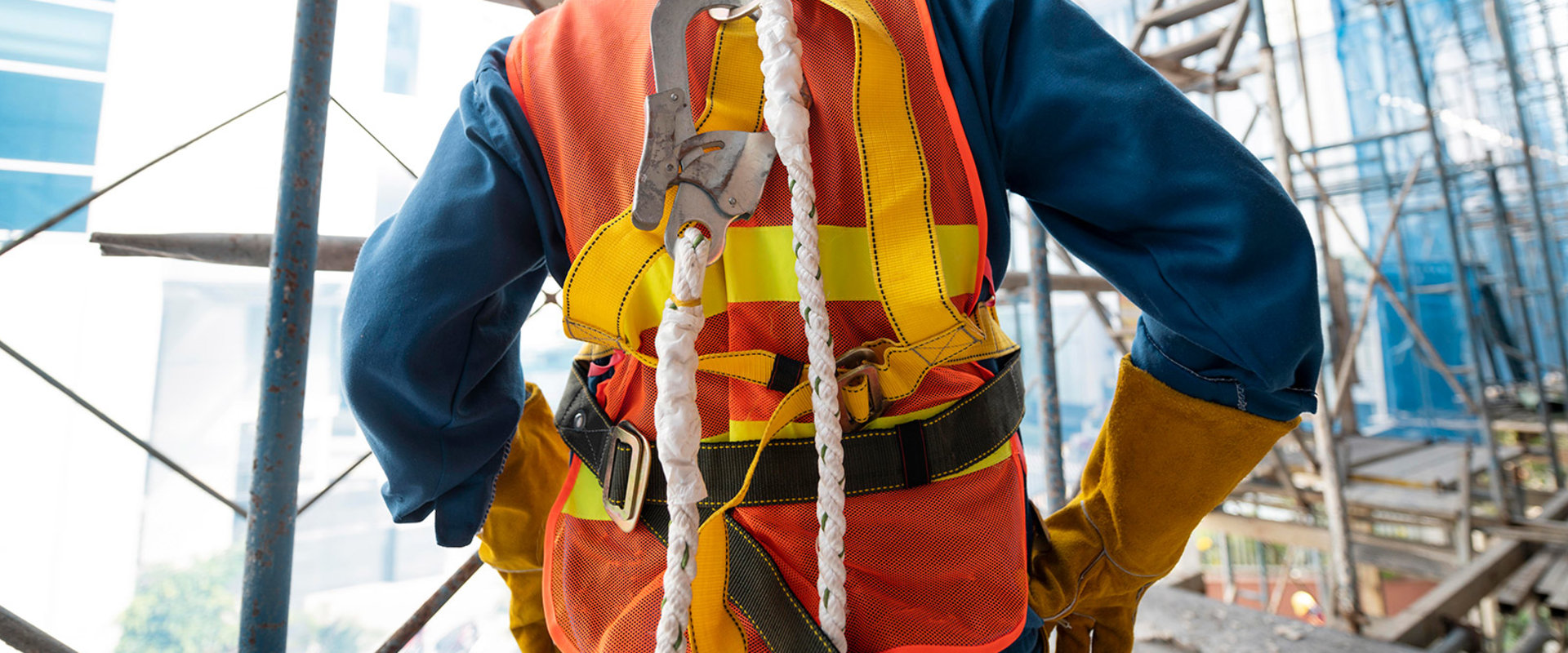
- Falls: One of the most prevalent hazards in building repair is the risk of falls. Workers may be required to work at heights, such as on ladders or scaffolding, where a slip can lead to serious injuries. Proper use of fall protection equipment, such as harnesses and guardrails, is crucial.
- Electrical Risks: Repairing or renovating buildings often involves working with electrical systems. This can expose workers to risks such as electric shock or electrocution.
It is vital to ensure that all electrical systems are de-energized before beginning work and that proper personal protective equipment (PPE) is worn.
- Hazardous Materials: Many building materials can be hazardous, including asbestos, lead paint, and mold. Exposure to these substances can have serious health implications. Workers should be trained in identifying these materials and using appropriate safety measures, such as respirators and protective clothing.
- Heavy Lifting: Building repair often requires lifting heavy materials, which can lead to musculoskeletal injuries if not done correctly. Workers should be trained in proper lifting techniques and encouraged to use mechanical aids whenever possible.
- Tool Safety: The use of power tools and machinery introduces additional risks.
Ensuring that tools are well-maintained and that workers are trained in their safe operation is essential to prevent accidents.
Personal Protective Equipment (PPE) for Building Repair
When it comes to building repair, ensuring the safety of workers is paramount. One of the most effective ways to protect individuals on-site is through the use of Personal Protective Equipment (PPE). This equipment not only safeguards against potential hazards but also promotes a culture of safety within the construction environment.Essential PPE for Building Repair
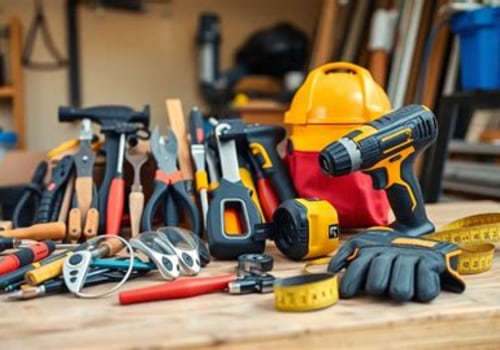
- Helmets: Hard hats are crucial for protecting the head from falling objects and overhead hazards.
They should meet safety standards and be worn at all times on-site.
- Gloves: Depending on the nature of the repair work, gloves can protect hands from cuts, abrasions, and chemical exposure. It's important to select gloves that are appropriate for the specific tasks being performed.
- Goggles: Eye protection is essential, especially when working with power tools or materials that may produce dust or flying debris. Safety goggles should fit snugly and provide a clear field of vision.
- Hearing Protection: In environments where noise levels exceed safe limits, earplugs or earmuffs should be used to prevent hearing loss.
- Respirators: For tasks that involve exposure to harmful dust, fumes, or chemicals, respirators are necessary to ensure clean air intake and protect lung health.
- Fall Protection Gear: When working at heights, harnesses and lanyards are critical for preventing falls. Workers should be trained in proper usage and anchoring techniques.
High-visibility vests can also enhance safety by making workers more visible in busy environments.Ultimately, investing in quality PPE not only protects workers but also enhances productivity by reducing the risk of accidents and injuries during building repair. Regular training on the proper use and maintenance of this equipment is equally important to ensure that all personnel are well-prepared for any situation they may encounter on-site.
Safety Protocols Before Starting a Building Repair Project
Before embarking on any building repair project, it is crucial to implement comprehensive safety protocols to ensure the well-being of all personnel involved. These protocols not only protect workers but also help in maintaining compliance with local regulations.Site Assessment
- Conduct a thorough site assessment to identify potential hazards such as unstable structures, electrical issues, or hazardous materials.
- Evaluate the surrounding environment for risks that could impact the safety of the repair work, including traffic patterns and weather conditions.
Risk Evaluation
- Perform a detailed risk evaluation to determine the likelihood and severity of potential accidents. This should include assessing the tools and equipment that will be used during the building repair.
- Involve all team members in identifying risks; their firsthand experience can provide valuable insights into safety concerns.
Planning for Safety
- Create a comprehensive safety plan that outlines specific procedures for addressing identified risks.
This plan should include emergency response protocols and evacuation routes.
- Ensure that all workers are trained on safety measures relevant to their tasks, including the proper use of personal protective equipment (PPE).
- Schedule regular safety meetings to reinforce protocols and address any new concerns that may arise during the project.
Safe Practices During Building Repair Work
Ensuring safety during building repair work is paramount for both workers and the integrity of the structure. Here are some essential safe practices to follow:- Conduct a Risk Assessment: Before starting any repair work, assess the site for potential hazards. Identify risks such as unstable structures, electrical issues, or hazardous materials.
- Use Personal Protective Equipment (PPE): Equip all workers with appropriate PPE, including hard hats, gloves, safety goggles, and steel-toed boots.
This gear is crucial for minimizing injuries.
- Proper Tool Usage: Ensure that all tools are in good working condition and are used according to the manufacturer's instructions. Regularly inspect tools for wear and tear to prevent accidents.
- Establish Clear Communication: Maintain open lines of communication among team members. Use hand signals or radios to convey messages, especially in noisy environments.
- Implement a Safety Plan: Develop a comprehensive safety plan that outlines emergency procedures, evacuation routes, and first aid protocols. Ensure all workers are familiar with this plan.
- Maintain a Clean Worksite: Keep the work area organized and free of debris.
A cluttered site can lead to trips and falls, so regularly clean up materials and tools.
- Monitor Weather Conditions: Be aware of weather changes that could impact safety. Rain, wind, or extreme temperatures can create hazardous conditions that may require halting work.
Emergency Preparedness and Response in Building Repair
When it comes to building repair, having a robust emergency preparedness and response plan is crucial. This ensures that all personnel are equipped to handle unexpected situations that may arise during construction activities.A well-structured plan not only protects the workers but also minimizes damage to the property and surrounding areas.
Key Components of an Emergency Response Plan:
- Risk Assessment: Identify potential hazards associated with the specific building repair tasks. This includes evaluating risks from heavy machinery, electrical work, and structural weaknesses.
- Emergency Contacts: Maintain an updated list of emergency contacts, including local emergency services, medical facilities, and key personnel within the organization.
- Training and Drills: Regularly conduct training sessions and emergency drills for all workers. This ensures everyone knows their roles and responsibilities in case of an emergency.
- First Aid Kits: Ensure that first aid kits are readily available on-site and that designated personnel are trained in basic first aid procedures.
- Evacuation Routes: Clearly mark evacuation routes and ensure they are free from obstructions. Workers should be familiar with these routes to facilitate a quick exit in case of an emergency.
Implementing Emergency Procedures:
In addition to having a response plan, it is essential to establish clear emergency procedures.
These procedures should outline steps to take in various scenarios, such as:
- Fire: Evacuate immediately using designated routes and gather at a pre-determined safe location.
- Injury: Administer first aid if trained, call for medical assistance, and report the incident to supervisors.
- Structural Collapse: Evacuate the area, assess the situation from a safe distance, and notify emergency services.
Training and Education for Safety in Building Repair
Ensuring safety during building repair projects is not solely about having the right equipment; it also heavily relies on the knowledge and skills of the workers involved. Therefore, training and education for construction workers are paramount in maintaining a safe working environment.Importance of Construction Safety Training
- Awareness of Hazards: Regular training helps workers identify potential hazards associated with building repairs, such as electrical risks, falls, and exposure to hazardous materials.
- Compliance with Regulations: Ongoing education ensures that workers are up-to-date with local, state, and federal safety regulations, which can change frequently.
- Emergency Preparedness: Training programs often include emergency response protocols, equipping workers with the skills to handle accidents or unexpected situations effectively.
Types of Training Programs for Construction Safety
- On-the-Job Training: This hands-on approach allows workers to learn safety practices in real-time under the supervision of experienced personnel.
- Formal Safety Courses: Many organizations offer structured courses that cover a wide range of safety topics relevant to building repair, including fall protection and proper use of personal protective equipment (PPE).
- Workshops and Seminars: These events provide opportunities for workers to engage with experts in the field, discuss new safety technologies, and share best practices.
Frequently Asked Questions About Building Repair Safety
When it comes to building repair, safety is paramount.Here are some frequently asked questions that can help clarify the necessary precautions:
What are the most common safety hazards during building repairs?
Common hazards include:- Falls: Working at heights without proper fall protection can lead to serious injuries.
- Electrical hazards: Exposed wiring or faulty equipment can pose significant risks.
- Heavy lifting: Improper lifting techniques can result in musculoskeletal injuries.
- Hazardous materials: Asbestos, lead paint, and other toxic substances may be present in older buildings.
How can I ensure a safe work environment during repairs?
To maintain a safe work environment, consider the following precautions:- Conduct a risk assessment: Identify potential hazards before starting any work.
- Use personal protective equipment (PPE): Ensure all workers wear appropriate PPE such as helmets, gloves, and safety goggles.
- Implement safety training: Provide training for all workers on safety protocols and emergency procedures.
- Maintain clear communication: Establish a system for reporting hazards and ensuring everyone is aware of safety measures.
What should I do in case of an emergency?
If an emergency occurs during building repair, follow these steps:- Immediately assess the situation and ensure the safety of all personnel.
- Call emergency services if necessary.
- Provide first aid to injured individuals if trained to do so.
- Document the incident for future reference and review safety protocols to prevent recurrence.
Conclusion: Prioritizing Safety in Building Repair Projects
In conclusion, prioritizing safety in building repair projects is not just a regulatory requirement but a fundamental aspect of ensuring the well-being of everyone involved. Throughout this article, we have explored various safety precautions that should be taken to mitigate risks and enhance the overall safety of repair activities. First and foremost, conducting a thorough risk assessment before commencing any repair work is essential. This involves identifying potential hazards, evaluating the risks associated with them, and implementing appropriate control measures. By doing so, you can create a safer working environment for both workers and occupants. Additionally, proper training and education for all personnel involved in building repair are crucial.Ensuring that workers are well-informed about safety protocols, equipment usage, and emergency procedures can significantly reduce the likelihood of accidents. Regular safety drills and refresher courses can further reinforce this knowledge. Moreover, utilizing the right personal protective equipment (PPE) cannot be overstated. Hard hats, gloves, goggles, and other protective gear should be mandatory on-site to safeguard against potential injuries. Regular inspections of tools and equipment also play a vital role in maintaining safety standards. Lastly, fostering a culture of safety within the team encourages open communication about hazards and promotes proactive measures to address them.
When everyone is committed to prioritizing safety, the risk of accidents diminishes significantly. In summary, by implementing these safety precautions during building repair projects, you not only protect individuals but also ensure the longevity and integrity of the structure being repaired. Remember, safety should always come first in any construction endeavor.