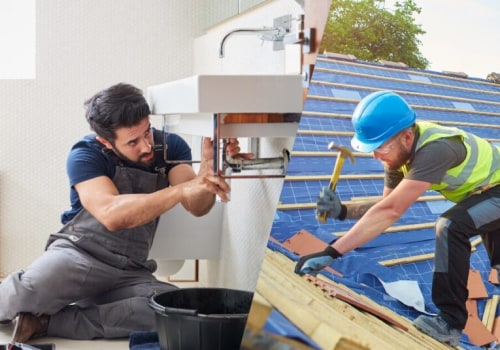
Understanding building repair is essential for homeowners and property managers alike, as it encompasses a wide range of tasks that ensure the safety, functionality, and aesthetic appeal of a property. Whether you are dealing with a leaky roof or a cracked foundation, recognizing the differences between minor repairs and major repairs can significantly impact your maintenance strategy and budget. This knowledge not only helps in prioritizing tasks but also aids in making informed decisions about when to call in professionals. Minor repairs typically involve small-scale issues that can be addressed quickly and often without the need for specialized skills. Examples include patching up drywall, fixing leaky faucets, or replacing worn-out light fixtures.
These tasks, while important, usually do not pose an immediate threat to the structural integrity of the building. On the other hand, major repairs are more complex and can involve significant alterations or replacements, such as roof replacements, plumbing overhauls, or foundation repairs. These types of repairs often require professional expertise and can be costly, making it crucial to identify them early. In this article, we will delve deeper into the various types of building repairs, exploring how to distinguish between minor and major issues. By understanding these distinctions, you can better manage your property’s maintenance needs and ensure that both minor inconveniences and major problems are addressed promptly and effectively.
Defining Building Repairs
Building repairs refer to the various actions taken to restore, maintain, or improve the structural integrity and functionality of a building.These repairs can range from minor fixes, such as patching up small holes in walls, to major renovations that involve significant structural changes. Understanding the definition of building repairs is essential for homeowners, property managers, and contractors alike.In general, building repairs can be categorized into two main types: minor repairs and major repairs. Minor repairs typically address small issues that do not compromise the overall safety or functionality of the building. Examples include:
- Fixing leaky faucets
- Patching drywall
- Replacing broken tiles
- Touching up paint
- Repairing minor electrical issues
These repairs are crucial for maintaining the safety and longevity of a building. Common examples of major repairs include:
- Roof replacement or significant roof repairs
- Foundation repair or stabilization
- Major plumbing overhauls
- Electrical system upgrades
- Structural modifications to accommodate new uses or improve safety
Recognizing the difference between minor and major repairs helps in planning maintenance schedules, budgeting for costs, and ensuring compliance with safety standards.
Minor Building Repairs: An Overview
Minor building repairs are essential maintenance tasks that help preserve the integrity and functionality of a structure without requiring extensive resources or time. These repairs often address small issues that, if left unattended, could escalate into more significant problems.Examples of Minor Repairs
- Patchwork for Walls: Filling in small holes or cracks in drywall or plaster.
- Leaky Faucets: Replacing washers or O-rings to stop dripping.
- Door Adjustments: Realigning doors that stick or squeak.
- Window Sealing: Replacing weather stripping to improve energy efficiency.
- Minor Roof Repairs: Fixing small leaks or replacing a few shingles.
Benefits of Minor Repairs
- Cost-Effective: Minor repairs are generally less expensive than major renovations, making them budget-friendly.
- Time-Saving: These tasks can often be completed quickly, minimizing disruption to daily activities.
- Preventive Maintenance: Regular attention to minor issues can prevent them from developing into major problems.
- Increased Property Value: Well-maintained properties tend to have higher market value and attract potential buyers more easily.
By addressing these small issues promptly, you can ensure the longevity and safety of your building while avoiding the headaches associated with major repairs in the future.
Major Building Repairs: An Overview
Major building repairs are critical interventions that address significant issues affecting the structural integrity and safety of a property. Unlike minor repairs, which may involve simple fixes like patching drywall or replacing a faucet, major repairs often require extensive work and can be costly. These repairs are essential for maintaining the longevity and functionality of a building.Examples of Major Building Repairs
- Foundation Repairs: Issues such as cracks in the foundation or settling can lead to severe structural problems if not addressed promptly.
- Roof Replacement: A damaged roof can result in leaks and water damage, necessitating a complete replacement rather than just patching.
- Electrical System Overhaul: Outdated or faulty wiring poses fire hazards and may require a comprehensive upgrade to meet safety standards.
- Plumbing System Replacement: Aging pipes can lead to leaks and water damage, making it necessary to replace entire sections of plumbing.
- Mold Remediation: Significant mold growth due to water damage requires professional intervention to ensure safety and health compliance.
For instance, a small crack in the foundation may seem insignificant at first, but if left unattended, it can expand and compromise the entire structure. Additionally, major repairs often have a ripple effect; for example, roof damage can lead to water intrusion, which may cause mold growth and damage to interior finishes.In conclusion, recognizing the signs that indicate the need for major building repairs is crucial for property owners. Timely intervention not only preserves the value of the property but also ensures a safe living or working environment. Regular inspections and maintenance can help identify potential issues before they escalate into major problems, ultimately saving time and money in the long run.
Key Differences Between Minor and Major Building Repairs
Understanding the differences between minor and major building repairs is crucial for homeowners and property managers alike.These distinctions can significantly influence decision-making regarding maintenance, budgeting, and overall property management.
Scope of Repairs
Minor building repairs typically involve small-scale issues that can be addressed quickly and often do not require specialized skills. Examples include:- Fixing leaky faucets
- Touching up paint
- Replacing broken tiles
- Roof replacement
- Foundation repairs
- Electrical system upgrades
Cost Implications
The financial aspect is another key difference. Minor repairs are generally low-cost, often manageable within a homeowner's budget.Major repairs, however, can be significantly more expensive, sometimes requiring substantial investment or financing options.
Urgency of Repairs
Minor repairs can often be scheduled at the homeowner's convenience, while major repairs usually demand immediate attention to prevent further damage or safety hazards. For instance, a leaking pipe might be a minor issue if caught early, but if it leads to water damage, it escalates to a major concern.Impact on Property Value
The impact on property value also varies between the two types of repairs. While minor repairs can enhance aesthetic appeal and maintain value, major repairs are often necessary to preserve or increase the property's market value. Neglecting major issues can lead to depreciation and costly consequences in the long run.In summary, recognizing the differentiation between minor vs major building repairs helps homeowners prioritize their repair needs effectively, ensuring both safety and financial prudence in property management.When to Call a Professional for Building Repairs
When it comes to building repair, knowing when to call a professional can save you time, money, and potential headaches.While some minor repairs can be tackled by homeowners, others require the expertise of a qualified contractor.
Identifying Minor vs. Major Repairs
Minor repairs, such as fixing a leaky faucet or patching small holes in drywall, are often manageable for the average homeowner. These tasks typically require basic tools and skills, making them ideal for DIY enthusiasts. However, major repairs—like structural damage, extensive plumbing issues, or electrical work—should always be handled by professionals.Attempting to fix these problems without the right knowledge can lead to further damage and increased costs.
When to Hire a Contractor
- Structural Concerns: If you notice cracks in your foundation or walls, it’s crucial to consult a professional.
- Complex Systems: Issues with plumbing or electrical systems often require specialized knowledge and licensing.
- Permits and Regulations: Major renovations may need permits; professionals are familiar with local building codes.
- Time Constraints: If you’re short on time or lack the necessary skills, hiring a contractor can expedite the process.
Benefits of Professional Building Repair Services
Engaging professional building repair services not only ensures quality workmanship but also provides peace of mind. Professionals come equipped with the right tools and experience to handle complex issues efficiently. Additionally, they often offer warranties on their work, which can protect your investment in the long run.DIY vs. Professional Repair
While DIY repairs can be cost-effective for minor issues, they come with risks.Mistakes made during DIY projects can lead to more significant problems that require professional intervention later on. Therefore, it’s essential to assess your skills honestly and consider the potential consequences before deciding to tackle a repair yourself.In summary, understanding when to call a professional for building repairs is vital for maintaining your home’s integrity. By recognizing the difference between minor and major repairs, you can make informed decisions that protect both your property and your wallet.
Cost Considerations for Building Repairs
When it comes to building repair, understanding the financial implications is crucial for homeowners. The costs associated with repairs can vary significantly depending on whether the repairs are classified as minor or major.Minor Repairs
- Typically involve small fixes such as patching drywall, replacing a few shingles, or fixing leaky faucets.
- Costs for minor repairs can range from $100 to $1,000, depending on the materials and labor involved.
- These repairs are often manageable within a homeowner's budget and can be planned for in advance.
Major Repairs
- Include significant issues like roof replacement, foundation repairs, or extensive plumbing work.
- The costs for major repairs can escalate quickly, often ranging from $1,000 to $20,000 or more.
- Such expenses require careful financial planning and may necessitate saving over time or securing financing options.
Budgeting for Repairs
To effectively manage the costs of building repairs, homeowners should consider the following:
- Create a Maintenance Fund: Setting aside a percentage of your income each month can help cover unexpected repair costs.
- Prioritize Repairs: Assess which repairs are urgent and which can wait.
This helps in allocating funds appropriately.
- Get Multiple Quotes: For major repairs, obtaining estimates from several contractors can ensure you get the best price and quality of work.
FAQs About Building Repairs
When it comes to building repair, many homeowners have questions about the differences between minor and major repairs. Understanding these distinctions can help you make informed decisions about maintenance and budgeting.What are Minor Building Repairs?
Minor building repairs typically involve small-scale issues that do not significantly affect the overall structure or safety of a building. Examples include:- Fixing leaky faucets
- Touching up paint
- Replacing broken tiles
- Repairing minor drywall damage
What are Major Building Repairs?
In contrast, major building repairs address significant issues that can impact the integrity and safety of a structure.These may include:
- Roof replacements
- Foundation repairs
- Electrical system upgrades
- Plumbing overhauls
How Do I Know When to Call a Professional?
If you're unsure whether a repair is minor or major, consider the following:- Safety Risks: If the repair poses a safety hazard, it's best to consult a professional.
- Complexity: If the repair involves complex systems like electrical or plumbing, professional help is advisable.
- Cost: Major repairs often require significant investment; getting a professional assessment can save you money in the long run.
Conclusion: Making Informed Decisions on Building Repairs
In conclusion, understanding the differences between minor and major building repairs is crucial for homeowners and property managers alike. Each type of repair has its own implications for cost, time, and the potential impact on the overall integrity of a building.Minor repairs
, such as fixing a leaky faucet or patching up small holes in the wall, are typically straightforward and can often be handled without professional assistance. These repairs, while important for maintaining the aesthetic and functionality of a space, usually do not pose significant risks to the structure itself.On the other hand, major repairs , like addressing foundational issues or replacing a roof, require careful consideration and often professional expertise. These repairs can be costly and time-consuming but are essential for ensuring the long-term safety and stability of a building.When assessing your own repair needs, consider the following:
- Severity of the issue: Is it something that can wait, or does it require immediate attention?
- Potential impact: Will neglecting this repair lead to more significant problems down the line?
- Budget: Do you have the financial resources to address major repairs now, or should you prioritize minor fixes?
Remember, proactive maintenance can often prevent minor issues from escalating into major repairs, saving you both time and money in the long run.