Building repairs are an essential aspect of property management that every homeowner should prioritize. Whether it’s a minor issue like a leaky faucet or a major concern such as structural damage, building repair plays a crucial role in maintaining the safety, functionality, and aesthetic appeal of a property. Ignoring these repairs can lead to more significant problems down the line, potentially jeopardizing both the value of the home and the well-being of its occupants. Understanding the types of building repairs commonly encountered can empower homeowners to take proactive measures. From routine maintenance tasks to emergency fixes, being aware of potential issues allows for timely interventions.
Common building issues often include roof leaks, plumbing failures, electrical malfunctions, and foundation cracks. Each of these problems not only affects the comfort of living but can also escalate into costly repairs if not addressed promptly. In this article, we will delve deeper into the various types of building repairs that homeowners may face. By familiarizing yourself with these common issues and their solutions, you can better prepare for the inevitable wear and tear that comes with homeownership. Ultimately, staying informed about building repair needs is key to preserving your investment and ensuring a safe living environment for you and your family.
Structural Repairs
When it comes to building repair, addressing structural issues is paramount to ensuring the safety and longevity of any property.Among the most critical types of structural repairs are foundation repair, wall stability, and roof integrity.
Foundation Repair
The foundation is the backbone of any building, and problems here can lead to severe consequences. Common signs of foundation issues include:- Cracks in walls or floors
- Doors and windows that stick or do not close properly
- Uneven or sloping floors
- Water pooling around the foundation
Wall Repair
Walls bear the load of the roof and upper floors, making their integrity vital. Issues such as cracks, bowing, or bulging can indicate serious problems.Regular inspections can help identify:
- Vertical or horizontal cracks in masonry
- Water damage leading to mold growth
- Separation from adjacent structures
Roof Integrity
The roof protects the entire building from weather elements, so maintaining its integrity is essential. Common roofing issues include:- Missing or damaged shingles
- Ponding water on flat roofs
- Leaks that can lead to interior damage
Roof Repairs
When it comes to building repair, addressing roof issues promptly is crucial to maintaining the integrity of your home.Roof repairs can vary widely, but some of the most common types include:
- Leak Repairs: Roof leaks are among the most frequent problems homeowners face. They can result from damaged shingles, flashing issues, or even clogged gutters. Identifying the source of a leak quickly is essential to prevent water damage and mold growth.
- Shingle Replacement: Over time, shingles can become worn, cracked, or missing altogether. Replacing damaged shingles not only improves the aesthetic appeal of your roof but also protects your home from potential leaks and structural damage.
- Flashing Repairs: Flashing is the material used to direct water away from critical areas of the roof, such as chimneys and vents.
If flashing becomes loose or damaged, it can lead to significant leaks. Regular inspection and maintenance of flashing are vital.
- Gutter Maintenance: Clogged or damaged gutters can cause water to back up onto the roof, leading to leaks and other issues. Regular cleaning and repairs of gutters ensure that water flows away from your home effectively.
By staying proactive with your roof care, you can extend its lifespan and protect your investment in your home.
Plumbing Repairs
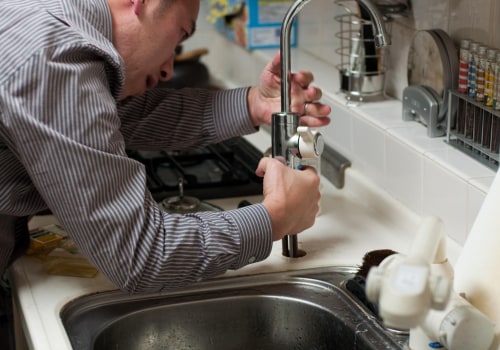
Plumbing repairs are an essential part of maintaining any building, as they directly impact both daily living and the overall value of the property. Common plumbing issues can arise unexpectedly, leading to significant inconvenience and potential damage if not addressed promptly.Some of the most frequent plumbing repairs include:- Leaks: One of the most common plumbing problems, leaks can occur in pipes, faucets, or toilets. They not only waste water but can also lead to mold growth and structural damage if left unchecked.
- Clogs: Clogged drains are a nuisance that can disrupt daily activities. They often result from a buildup of hair, grease, or foreign objects.
Regular maintenance and proper disposal practices can help prevent clogs.
- Pipe Replacements: Over time, pipes can corrode or become damaged due to various factors such as age or extreme weather conditions. Replacing old or broken pipes is crucial to ensure a reliable plumbing system.
- Water Heater Repairs: Issues with water heaters can lead to inconsistent hot water supply. Common problems include sediment buildup and faulty thermostats, which may require professional attention.
- Regular Inspections: Schedule routine inspections to identify potential issues before they escalate.
- Drain Cleaning: Use enzyme-based cleaners periodically to keep drains clear and functioning properly.
- Monitor Water Pressure: High water pressure can strain pipes and lead to leaks; consider installing a pressure regulator if necessary.
- Know Your Shut-Off Valves: Familiarize yourself with the location of your main shut-off valve in case of emergencies.
Electrical Repairs
When it comes to building repair, addressing electrical issues is crucial not only for functionality but also for safety. Common electrical repairs often involve problems with wiring, circuit breakers, and outlets.Common Electrical Issues
- Wiring Problems: Over time, wiring can become frayed or damaged, leading to potential hazards such as short circuits or electrical fires.
Regular inspections can help identify these issues before they escalate.
- Circuit Breaker Issues: If your circuit breaker frequently trips, it may indicate an overloaded circuit or a faulty breaker. This is a common issue that requires immediate attention to prevent further complications.
- Outlet Replacements: Outlets can wear out over time, leading to poor connections or even electrical shocks. Replacing old or damaged outlets is a straightforward repair that enhances safety.
Electrical Safety Tips
To ensure safety during electrical repairs, consider the following tips:- Always turn off the power: Before starting any electrical work, make sure to turn off the power at the circuit breaker to avoid electric shock.
- Use proper tools: Utilize insulated tools and wear rubber-soled shoes to minimize the risk of electrical accidents.
- Hire a professional: If you are unsure about handling electrical repairs yourself, it’s best to hire a licensed electrician. They have the expertise to address complex issues safely and in compliance with local building codes.
HVAC Repairs
When it comes to building repair, one of the most critical areas to address is the HVAC system.This system is essential for maintaining a comfortable indoor environment, and any issues can lead to significant discomfort and increased energy costs.
Common HVAC Repairs
- Furnace Issues: Problems with the furnace can manifest as inadequate heating, strange noises, or even complete system failure. Common causes include a malfunctioning thermostat, clogged filters, or ignition problems.
- Air Conditioning Problems: Air conditioning units may fail to cool effectively due to refrigerant leaks, dirty coils, or faulty compressors. Regular maintenance can help identify these issues before they escalate.
- Thermostat Malfunctions: A malfunctioning thermostat can lead to inconsistent temperatures throughout the building. This issue often requires recalibration or replacement.
HVAC Maintenance Tips
- Regular Filter Changes: Changing air filters every 1-3 months can significantly improve air quality and system efficiency.
- Annual Inspections: Scheduling professional inspections at least once a year can help catch potential problems early and ensure that your system runs smoothly.
- Clean Coils and Ducts: Keeping coils clean and ducts free of debris enhances airflow and efficiency, reducing the strain on your HVAC system.
Ignoring these issues can lead to more extensive repairs down the line, making proactive maintenance a wise investment.
Exterior Repairs
When it comes to building repair, addressing exterior issues is crucial not only for aesthetic appeal but also for maintaining the integrity of the structure. Common types of exterior building repairs include siding damage, window replacements, and door issues, each of which plays a significant role in protecting the interior from the elements.Siding Repair
Siding is one of the first lines of defense against weather conditions. Over time, it can suffer from wear and tear due to exposure to rain, wind, and UV rays. Signs that your siding may need repair include:- Cracks or holes that allow moisture to seep in
- Warping or buckling that indicates underlying damage
- Fading colors that detract from curb appeal
Window Replacement
Windows are essential for natural light and ventilation, but they can also be a source of energy loss if not properly maintained.Common issues that necessitate window replacement include:
- Drafts that indicate poor sealing or insulation
- Condensation between panes, suggesting seal failure
- Cracked or broken glass, which poses safety risks
Door Issues
The doors of your building are not just entry points; they also contribute to security and insulation. Common door-related repairs include:- Squeaking hinges, which can be easily fixed with lubrication
- Misalignment, causing difficulty in opening or closing
- Deterioration of materials, especially in wooden doors exposed to moisture
Interior Repairs
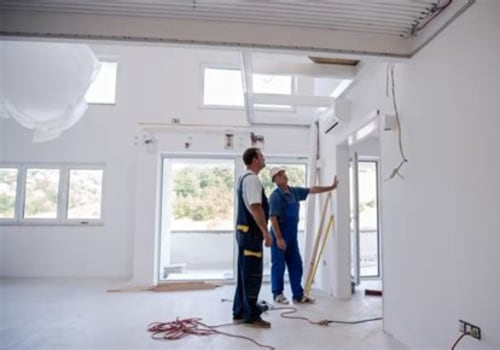
When it comes to building repair, addressing interior issues is crucial for both aesthetics and functionality. Interior repairs can significantly enhance the comfort and appeal of a living space, making it essential to tackle them promptly.Drywall Repair
One of the most common types of interior repairs involves drywall repair.Over time, drywall can suffer from various issues such as cracks, holes, or water damage. These problems not only detract from the visual appeal of a room but can also lead to more significant structural issues if left unaddressed. To effectively repair drywall:
- Assess the Damage: Determine the extent of the damage to decide whether a simple patch or a full replacement is necessary.
- Use Quality Materials: Invest in high-quality joint compound and tape to ensure a smooth finish.
- Finish with Paint: Once repaired, repainting the area can help blend it seamlessly with the surrounding walls.
Flooring Issues
Another critical aspect of interior building repairs is addressing flooring issues. Whether it's hardwood, tile, or carpet, flooring can experience wear and tear that affects both safety and aesthetics.Common flooring problems include:
- Squeaky Floors: Often caused by loose boards or inadequate support, squeaky floors can be fixed by securing loose boards or adding shims.
- Water Damage: Water can warp or stain flooring materials. Promptly addressing leaks and replacing damaged sections is vital.
- Tile Cracks: Cracked tiles not only look unsightly but can also pose tripping hazards. Replacing individual tiles or re-grouting can restore their appearance.
Common FAQs About Building Repairs
When it comes to building repair, many homeowners and property managers have questions.Here are some of the most frequently asked questions that can help clarify common concerns.
What are the signs that my building needs repairs?
There are several indicators that your building may require repairs, including:- Cracks in walls or ceilings: These can indicate structural issues.
- Water stains: Signs of leaks or moisture problems.
- Deteriorating roofing: Missing shingles or sagging areas can lead to significant damage.
- Foundation issues: Uneven floors or doors that stick may suggest foundation problems.
How do I prioritize building repairs?
Prioritizing building repairs is crucial for maintaining safety and functionality. Consider the following:- Safety first: Address any repairs that pose immediate safety risks, such as electrical issues or structural damage.
- Preventative measures: Tackle repairs that could lead to more extensive damage if left unaddressed, like roof leaks.
- Budget considerations: Assess your financial resources and prioritize repairs that fit within your budget while addressing critical needs.
Should I hire a professional for building repairs?
While some minor repairs can be handled by homeowners, it’s often best to hire a professional for more complex issues. Professionals bring expertise and can ensure that repairs are done correctly and safely. Additionally, they can help identify underlying problems that may not be immediately visible.If you’re unsure about the extent of the repairs needed, consulting with a qualified contractor can provide valuable insights and help you make informed decisions about your building repair needs.Conclusion: The Importance of Timely Building Repairs
In conclusion, addressing building repairs in a timely manner is crucial for several reasons.First and foremost, neglecting necessary repairs can lead to more significant issues down the line, which not only increases repair costs but can also compromise the safety of the occupants. For instance, a small leak in the roof can escalate into extensive water damage if left unattended, resulting in mold growth and structural damage.Moreover, timely building repairs play a vital role in maintaining the overall value of a property. A well-maintained building is more attractive to potential buyers or tenants, which can enhance rental income and resale value. Regular maintenance and prompt repairs signal to prospective buyers that the property has been cared for, making it a more desirable investment.Additionally, addressing repairs promptly can help in complying with local building codes and regulations.
Many municipalities have strict guidelines regarding building safety and maintenance; failing to adhere to these can result in fines or legal issues.To summarize, the importance of timely building repairs cannot be overstated. By prioritizing maintenance and addressing issues as they arise, property owners can ensure safety, preserve property value, and avoid costly future repairs. It is always advisable to conduct regular inspections and engage professional services when necessary to keep your building in optimal condition.