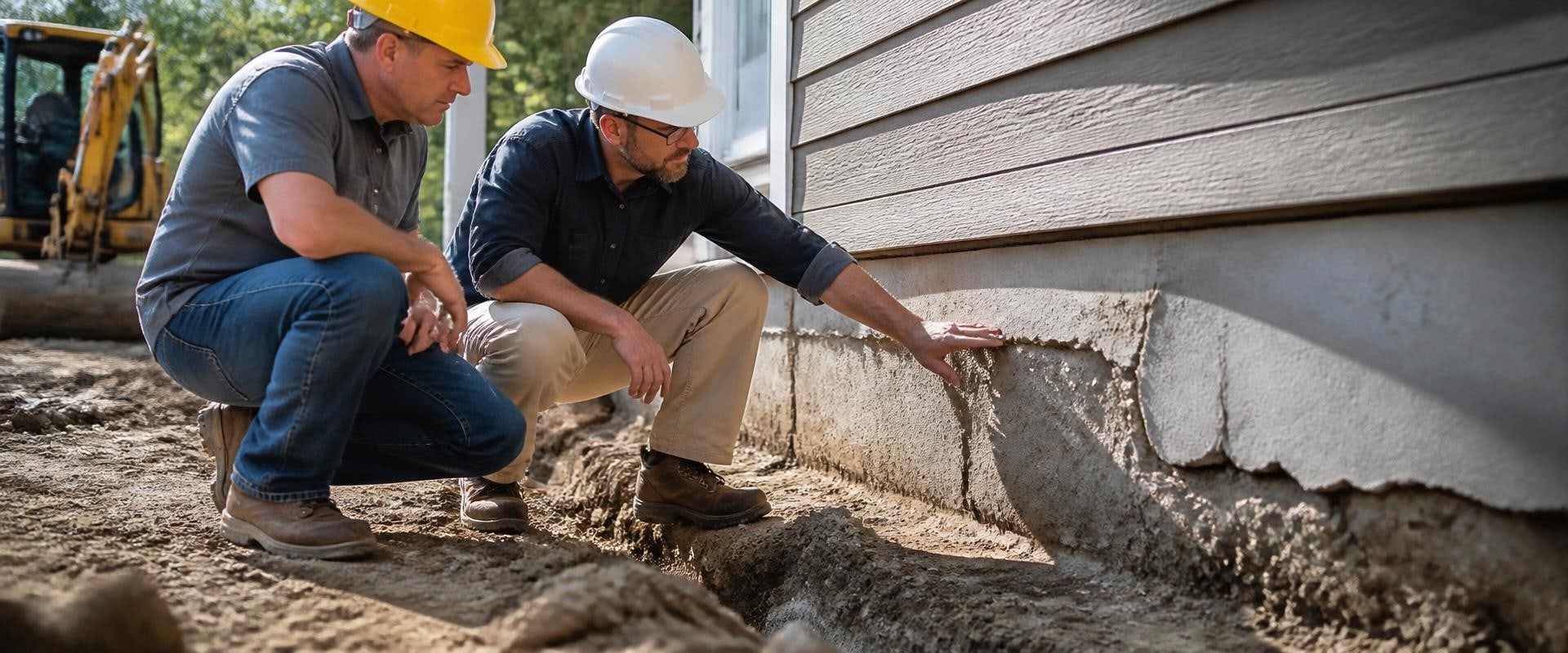
Building repairs are more effective when they are coordinated with foundation work instead of treated as separate projects. Cracked walls, uneven floors, sticking doors, separated trim, or misaligned windows may appear to be isolated building issues, but they can sometimes be symptoms of movement below the structure. Before repairing drywall, masonry, flooring, framing, or other visible damage, property owners should first determine whether the foundation is stable. A complete assessment can help identify which repairs are cosmetic and which may be connected to a deeper structural problem that should be addressed first.
Prioritize Foundation Stability Before Cosmetic Repairs
When foundation movement is contributing to visible damage, completing interior or exterior repairs too early may result in duplicated work. Newly patched drywall can crack again, masonry repairs may separate, and doors may become misaligned if the structure continues to move. Coordinating with professionals such as Bats Foundation Repair can help property owners determine whether stabilization should occur before contractors begin repairing damaged building components. Addressing structural movement first creates a more dependable base for the work that follows and may reduce the chance of repeated repairs.
Coordinate Framing, Flooring, and Wall Repairs
Foundation problems can affect many parts of a building at the same time. Floors may slope, framing members can shift, and wall surfaces may develop cracks or gaps. After foundation repairs are completed, contractors should inspect these areas again because the building may respond to stabilization in ways that change the scope of the remaining work. Floor joists may need adjustment, damaged drywall may require replacement, and doors or windows may need realignment. Coordinating these tasks allows each trade to work from the building’s updated structural condition rather than from problems that existed before stabilization.
Consider Plumbing and Utility Systems
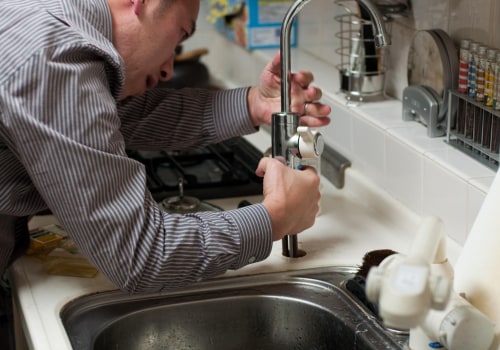
Major structural movement can also affect plumbing, electrical, and mechanical systems. Pipes may experience stress, connections can shift, and utility lines running through affected areas may require inspection. Before walls or floors are closed after repairs, property owners should make sure necessary utility evaluations have been completed. Plumbing leaks are especially important to address because excess moisture around the foundation can influence soil conditions and contribute to continued movement. Coordinating structural and utility repairs can help prevent newly finished areas from being reopened later.
Allow Time for Post-Repair Evaluation
After foundation work is completed, it may be helpful to evaluate the structure before immediately moving into final cosmetic repairs. Doors, windows, flooring, and wall cracks can be checked to see how the building has responded. Some areas may require minor adjustments, while others may reveal damage that was previously hidden. Contractors can then create a more accurate plan for patching, leveling, replacing materials, and completing finishes.
Address Drainage and Moisture Problems
Structural repairs should also consider conditions around the property. Poor grading, clogged gutters, inadequate drainage, or plumbing leaks can continue placing stress on the soil surrounding the foundation. Correcting these problems can support the long-term performance of foundation and building repairs. Drainage improvements should be coordinated with landscaping, exterior repairs, and other construction activities so water continues to move away from the structure.
Create a Logical Repair Sequence
The order of work can make a significant difference in the efficiency of a repair project. Foundation stabilization generally comes before major framing, flooring, drywall, masonry, and painting repairs when structural movement is involved. Once the building is stable, contractors can address secondary damage and complete final finishes with greater confidence.
Improve Long-Term Structural Results
Successful building repair requires more than covering visible damage. By coordinating foundation repair with structural, utility, drainage, and cosmetic work, property owners can address both the cause and the effects of building movement. A well-planned sequence reduces unnecessary rework, improves communication among contractors, and creates a stronger foundation for longer-lasting repair results.