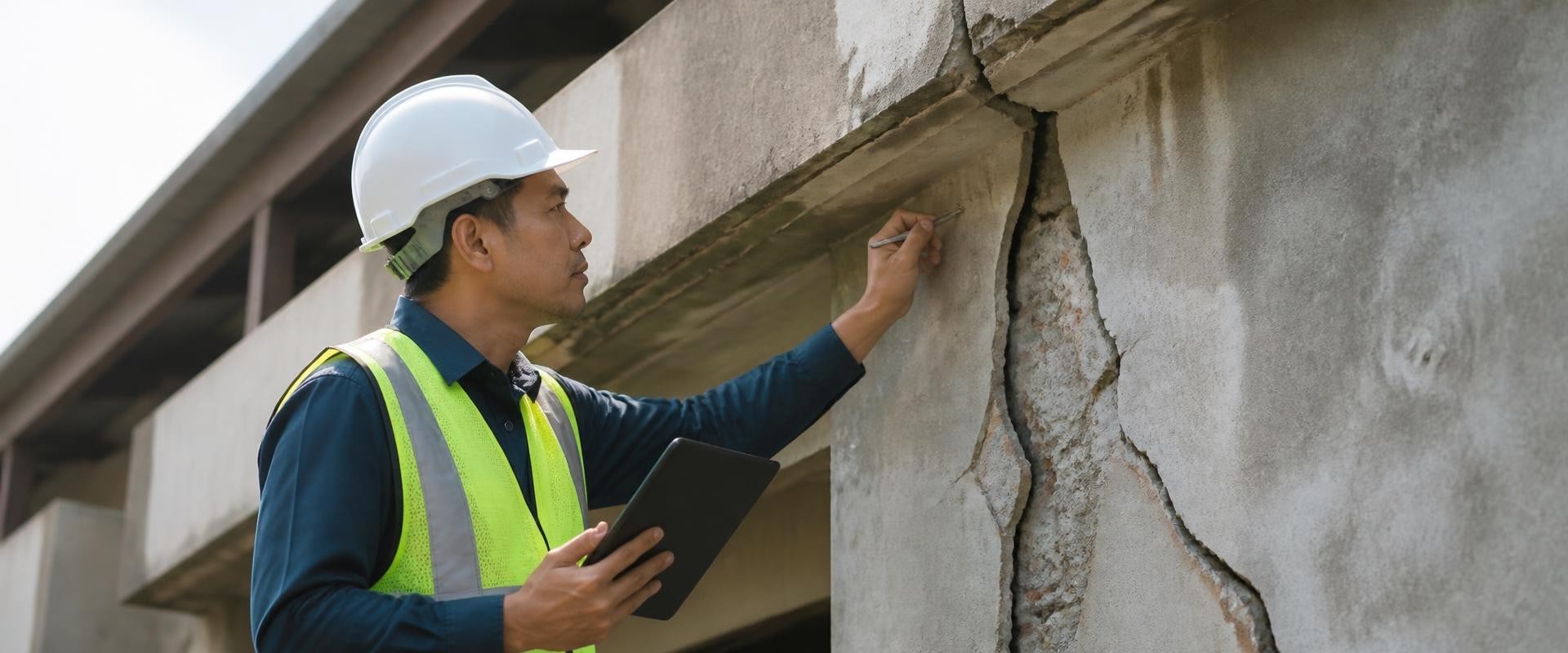
Regular building inspections play a crucial role in maintaining the safety, stability, and longevity of residential and commercial properties. Buildings naturally experience wear and tear due to environmental exposure, aging materials, and everyday use. Without proper monitoring, minor structural concerns can gradually develop into significant problems requiring expensive repairs. Routine inspections allow property owners to identify potential issues before they compromise the building's structural integrity. By evaluating foundations, roofing systems, walls, and other essential components, inspections provide valuable information about a property's overall condition and help establish effective maintenance strategies.
Identifying Early Signs of Structural Deterioration
One of the primary benefits of regular building inspections is the early detection of structural deterioration. Cracks in walls, uneven flooring, water stains, and shifting foundations may indicate underlying problems that require professional attention. Although some visible changes result from normal building movement, others can suggest more serious structural concerns.
Qualified inspectors assess these conditions to determine whether further investigation is necessary. Construction professionals, including companies such as GGNC Construction Company, may assist property owners with evaluating repair requirements and implementing appropriate improvements based on inspection findings. Addressing concerns promptly can prevent additional deterioration and reduce the likelihood of extensive structural repairs.
Preventing Water Damage and Moisture-Related Problems
Water intrusion is a common contributor to building deterioration. Leaking roofs, damaged plumbing systems, clogged drainage channels, and poorly sealed windows can allow moisture to penetrate structural materials. Prolonged exposure may weaken wooden components, corrode metal connections, and contribute to mold growth.
Routine inspections help identify potential water entry points and areas where moisture has accumulated. Inspectors may examine roofing materials, gutters, exterior walls, foundations, and interior surfaces for warning signs.
Correcting leaks and improving drainage before significant damage occurs can protect structural components and minimize costly restoration work.
Maintaining Foundation Stability and Structural Integrity
A building's foundation supports its overall structure, making foundation maintenance essential for long-term stability. Soil movement, inadequate drainage, construction defects, and changing environmental conditions can contribute to settlement or foundation-related problems.
Regular inspections can reveal warning signs such as widening cracks, sticking doors, uneven surfaces, and separation around windows. When these symptoms suggest structural movement, a qualified structural engineer can assess the underlying cause and recommend appropriate solutions.
Early intervention may prevent localized foundation concerns from developing into larger problems affecting multiple areas of the property.
Reducing Repair Costs Through Preventive Maintenance
Preventive maintenance is generally more manageable than extensive structural rehabilitation. Minor repairs, including sealing vulnerable joints, correcting drainage problems, and replacing deteriorated materials, can help prevent progressive damage.
Routine inspections also allow building owners to prioritize repairs according to urgency, safety considerations, and available budgets. Maintaining detailed inspection records supports long-term planning and helps identify recurring problems.
For commercial properties, proactive maintenance may also reduce operational disruptions associated with unexpected structural repairs.
Supporting Building Safety and Long-Term Property Value
Consistent building inspections contribute to safer environments for occupants while protecting property investments. Identifying damaged components, moisture intrusion, and potential structural weaknesses allows owners to make informed maintenance decisions.
Inspections can also support compliance with applicable building regulations and provide useful documentation during property transactions or renovation projects.
By establishing regular inspection schedules, addressing identified concerns promptly, and working with qualified professionals, property owners can reduce preventable damage, extend the useful life of building components, and maintain stronger, more dependable structures for years to come.